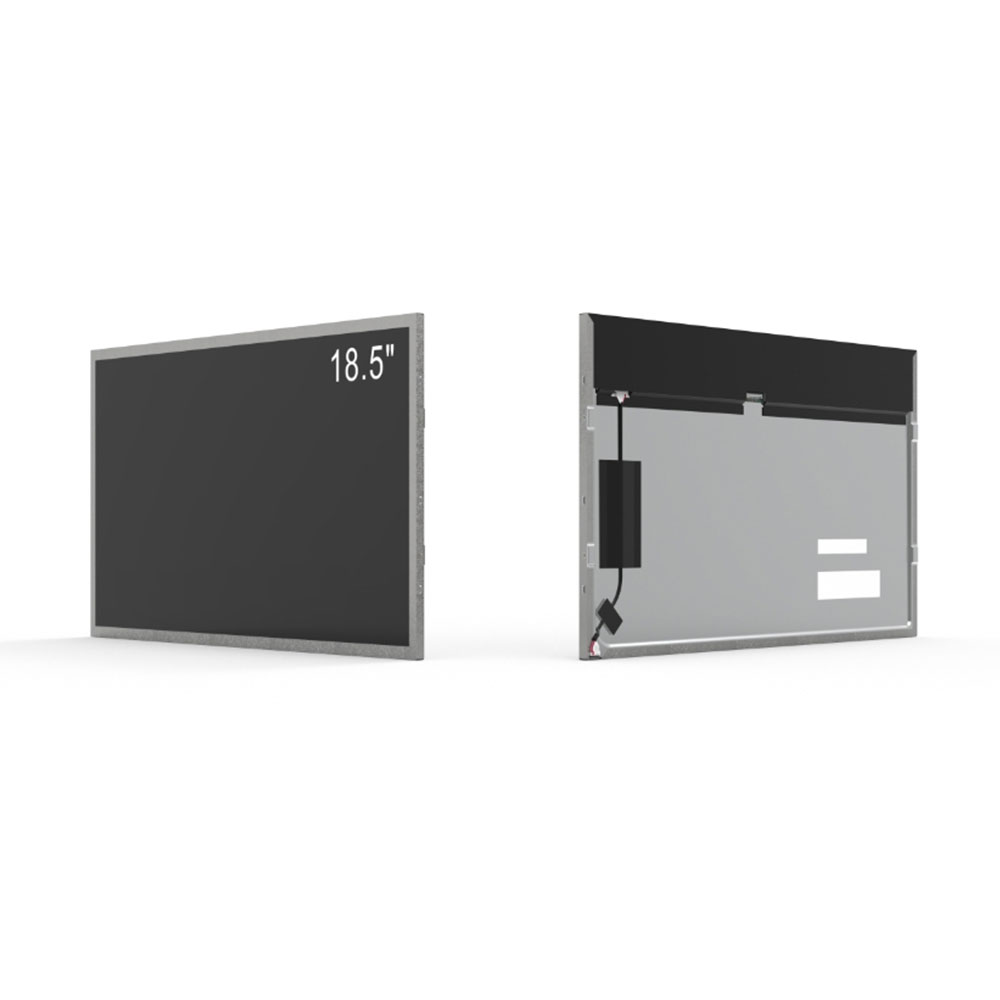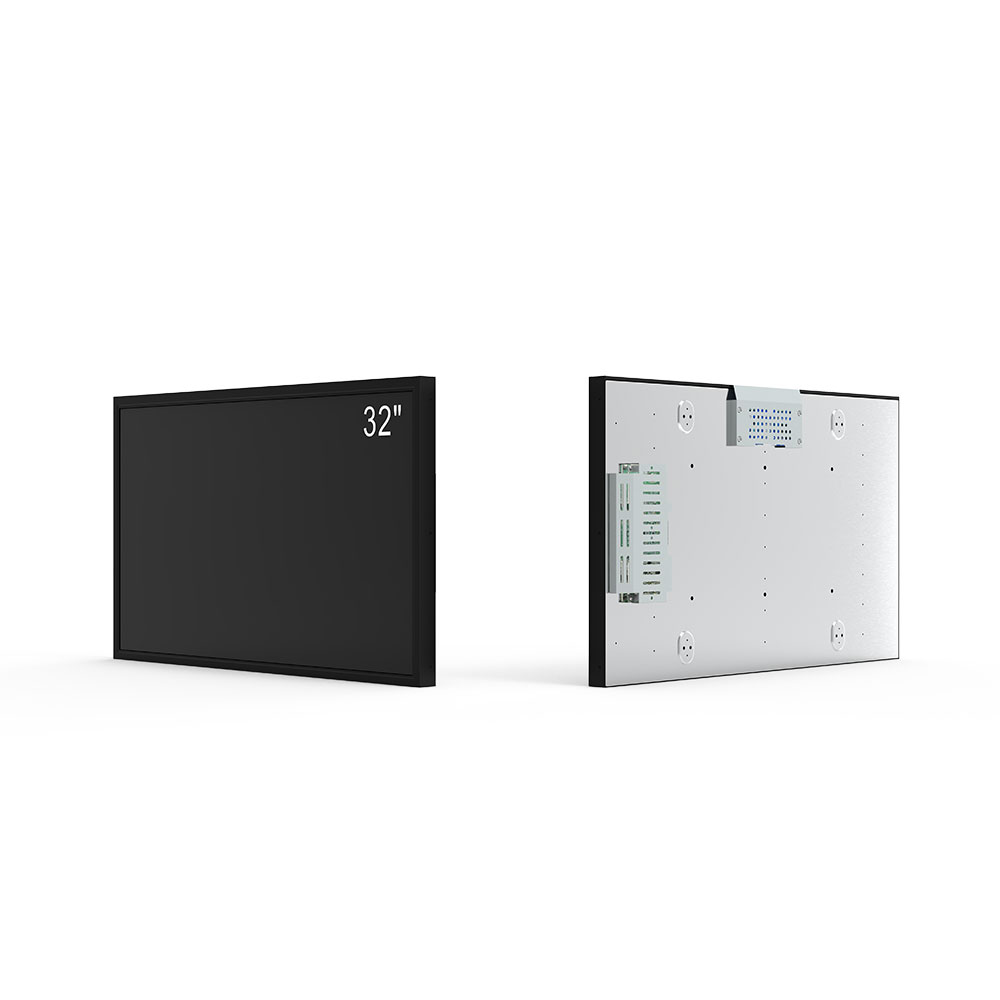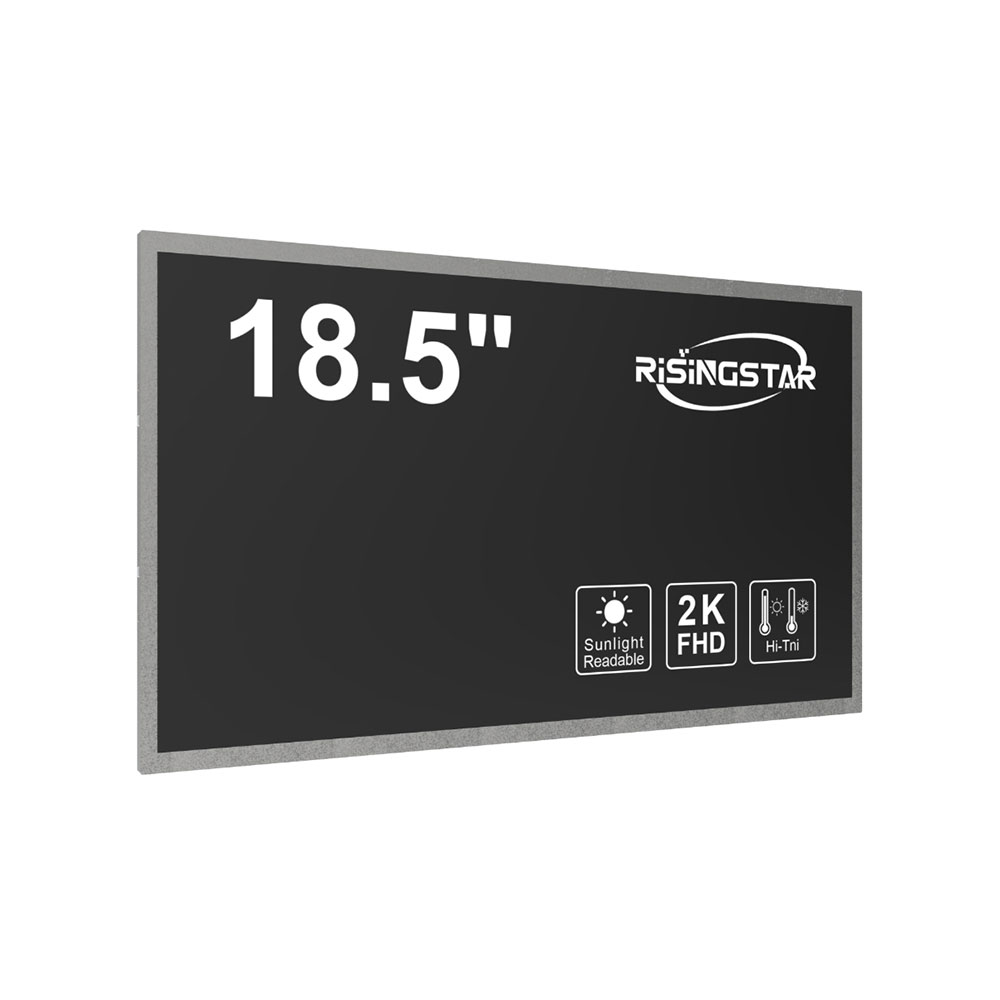
When selecting an LCD display for industrial applications, engineers and procurement teams must consider more than just screen size or resolution. Industrial environments—such as manufacturing floors, outdoor installations, and transportation systems—pose unique challenges that demand specialized display technologies. A poorly chosen LCD can lead to system downtime, safety risks, and increased maintenance costs.
First, evaluate environmental durability. Industrial LCDs must withstand extreme temperatures (typically -20°C to 70°C), humidity, dust, and mechanical shock. Look for displays with IP65 or higher ingress protection ratings and MIL-STD-810G compliance for ruggedness. For example, LG’s LQ104V1LW11 is widely used in factory automation due to its wide operating temperature range and anti-glare coating.
Second, prioritize brightness and visibility. In high ambient light conditions—like outdoor kiosks or vehicle dashboards—display brightness should exceed 1,500 nits. Brightness uniformity and color accuracy are also critical for operator interfaces. Use IPS (In-Plane Switching) panels over TN (Twisted Nematic) for wider viewing angles and consistent color reproduction.
Third, consider power efficiency and longevity. Industrial systems often run 24/7, so low-power consumption (e.g.,<5W for a 10.4-inch display) and long MTBF (Mean Time Between Failures) values (>100,000 hours) are essential. LED-backlit displays with PWM dimming control offer better energy efficiency than CCFL alternatives.
Fourth, assess interface compatibility. Many industrial applications require serial communication (RS-232/485), HDMI, LVDS, or embedded microcontroller integration. Ensure your chosen LCD supports the required input protocols and has robust firmware for stable operation.
Finally, verify certifications and support. ISO 9001, CE, and FCC compliance ensure product quality and legal compliance. Also, choose suppliers offering technical documentation, extended warranties, and field service support—especially for mission-critical deployments.
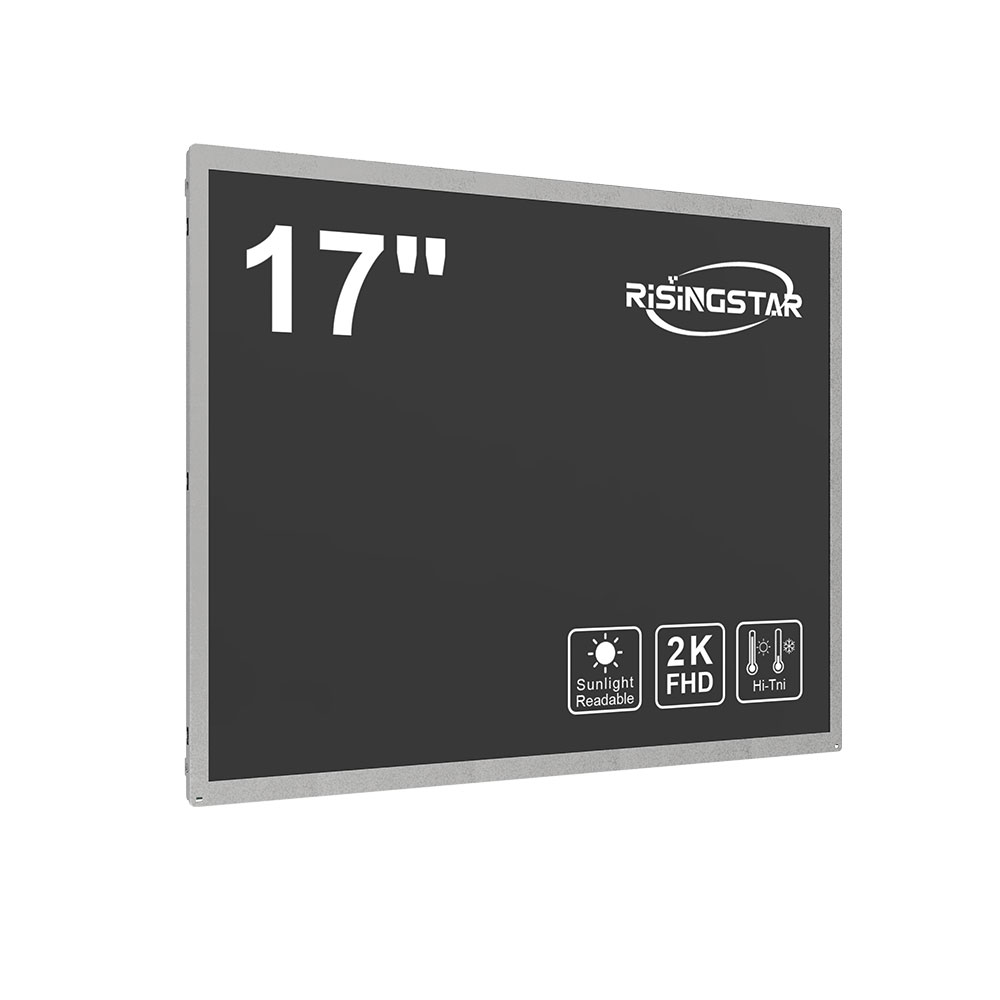
By following these guidelines, manufacturers and integrators can select LCD displays that deliver reliability, performance, and cost-effectiveness across diverse industrial use cases—from smart meters and medical devices to heavy machinery controls.