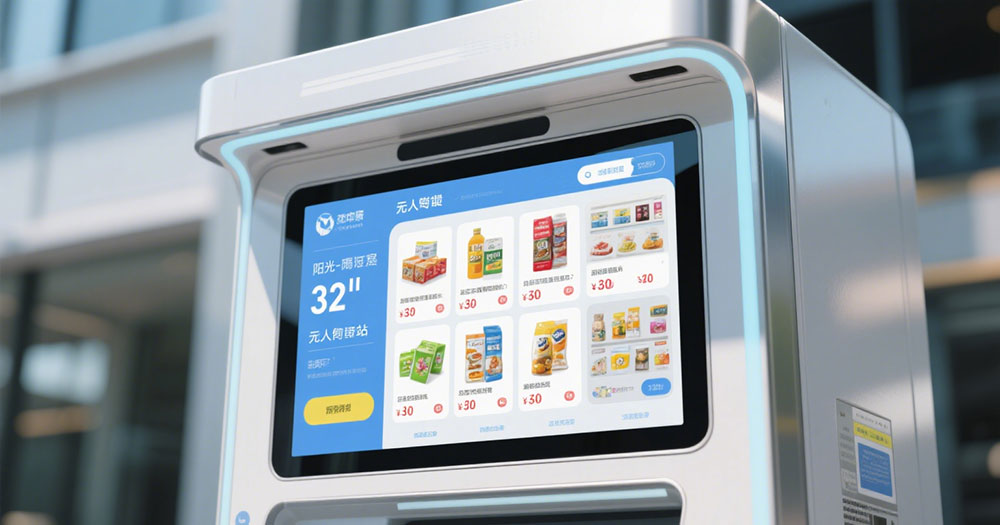
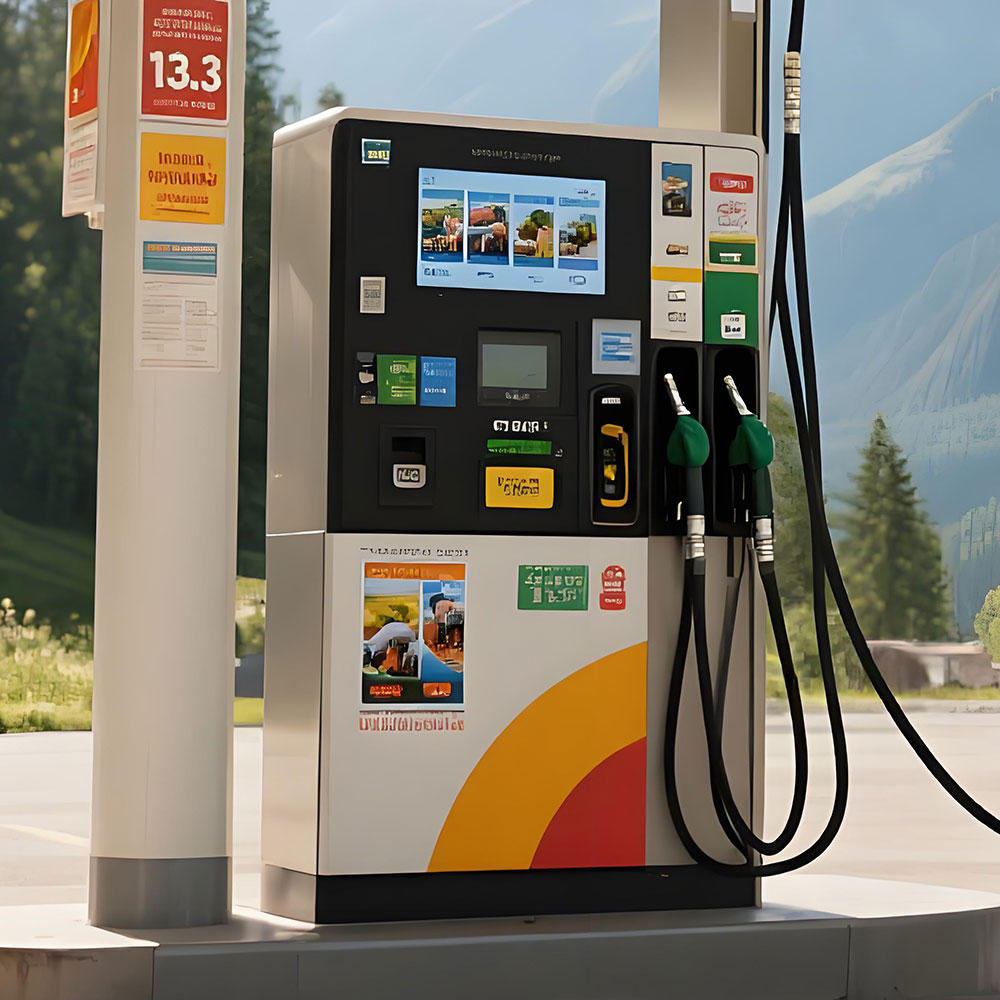
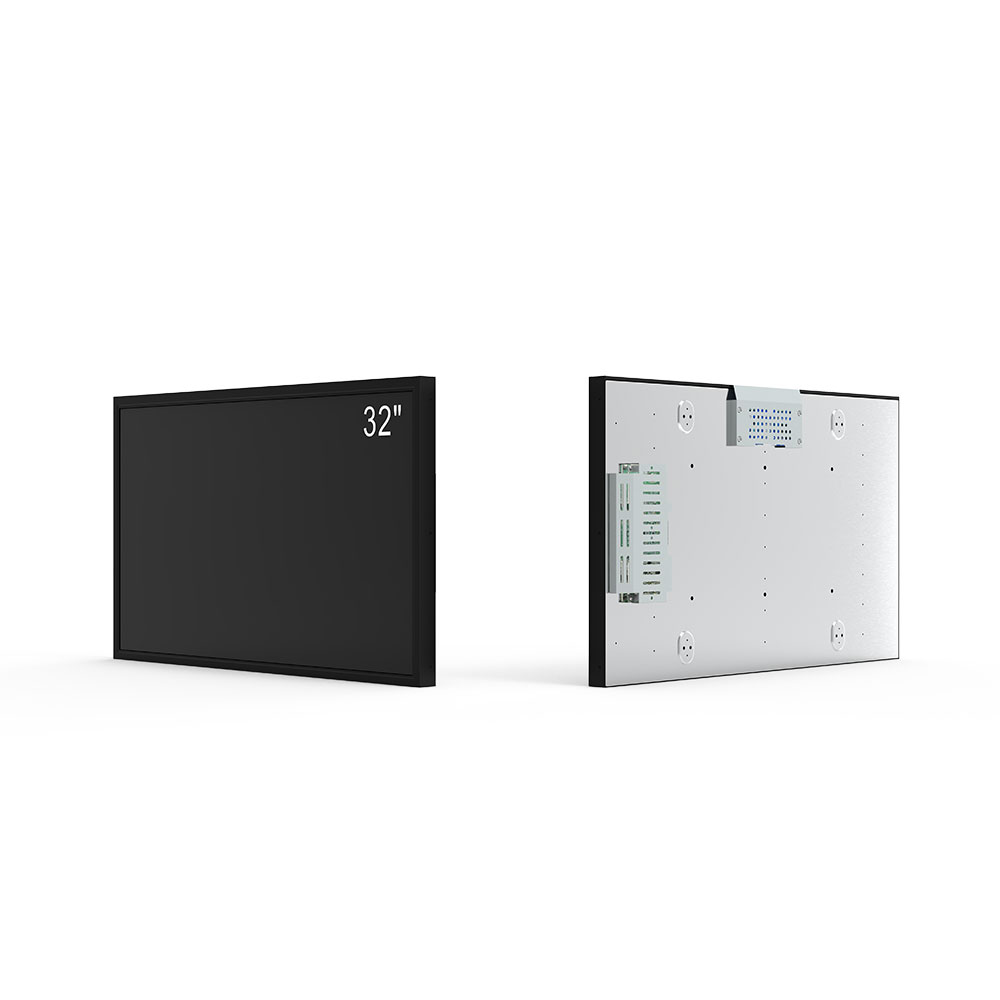
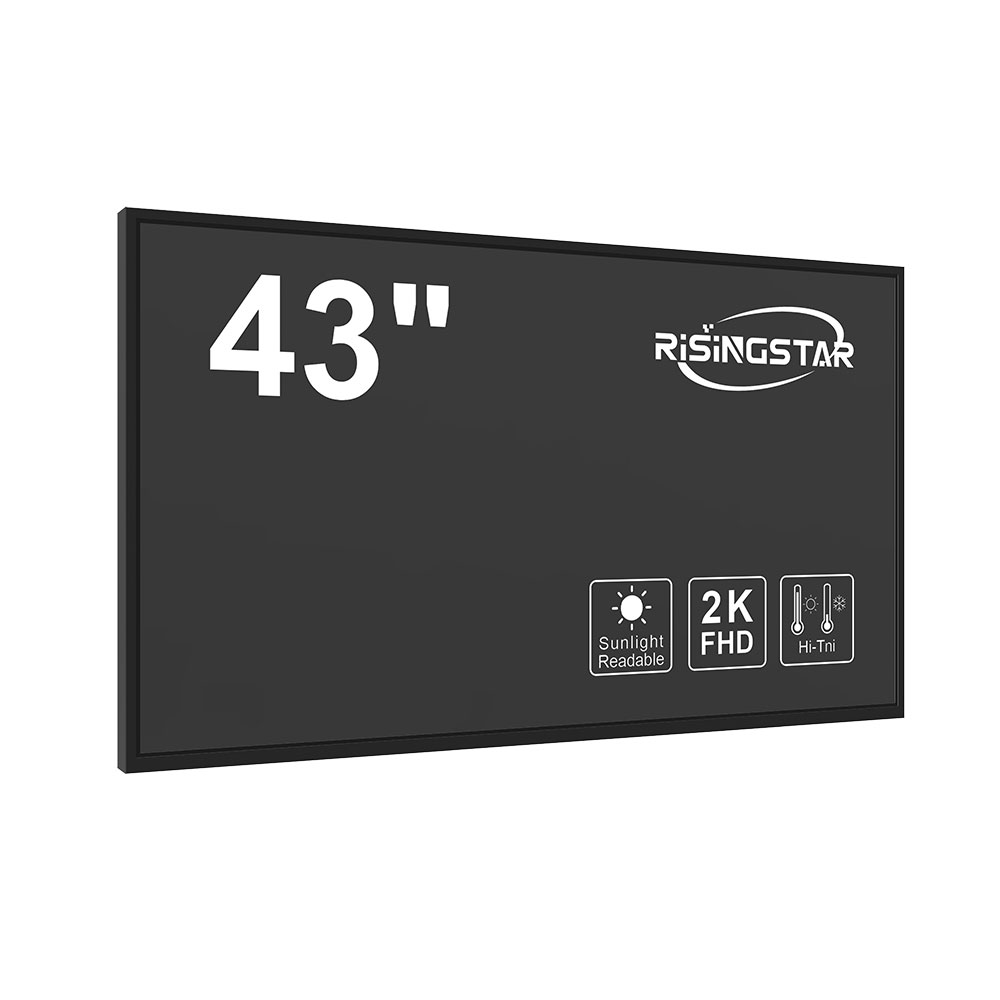
When designing electronic systems for outdoor applications—such as military equipment, industrial control panels, construction machinery, or transportation displays—it's critical to select a sunlight readable LCD screen that performs reliably under extreme lighting conditions. These screens must remain legible in direct sunlight (up to 100,000 lux), resist glare, and maintain consistent contrast across temperature extremes from -20°C to +70°C.
The key to successful outdoor display performance lies in understanding three core technologies: high-brightness backlighting, anti-reflective coatings, and optimized display architectures like transflective or dual-mode LCDs. For example, IK10-rated enclosures (IP65 equivalent) combined with a 5,000 nits brightness panel ensure visibility even at noon under full sun. According to MIL-STD-3014 and IEC 60945 standards, such displays are essential for safety-critical systems in marine, aviation, and defense sectors.
In practice, manufacturers often use LED-based backlight arrays with diffusers and light guides to achieve uniform illumination without hotspots. A transmissive mode delivers maximum brightness indoors, while reflective mode enhances visibility in bright sunlight by using ambient light—a hybrid approach known as transflective technology. This dual-mode design reduces power consumption and avoids overheating issues common in high-lumen systems.
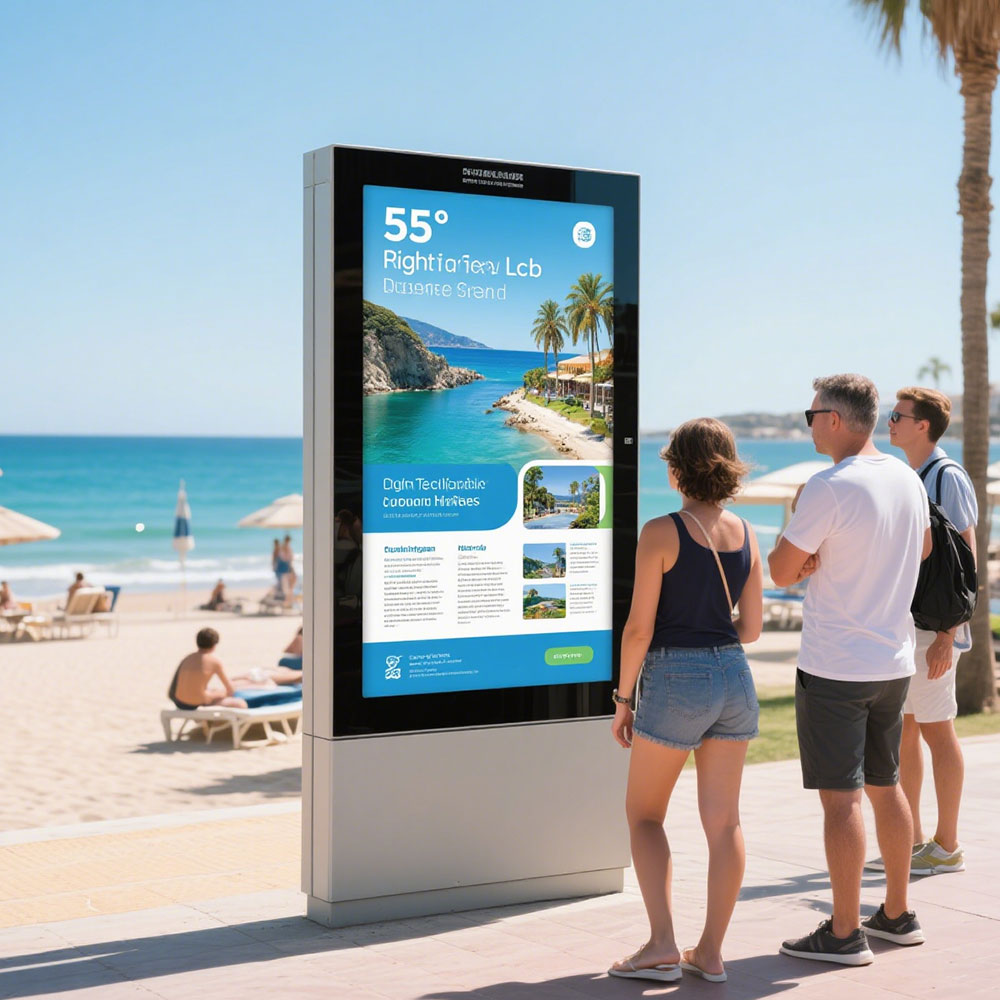
Additionally, protective features such as hardened glass (like Gorilla Glass or chemically strengthened soda-lime glass) prevent scratches and damage from dust, water, and impacts. Thermal management strategies—including heat sinks and thermal interface materials—are crucial for maintaining long-term reliability in extreme environments.
Case studies from OEMs like Rockwell Automation and Thales show that integrating these technologies into ruggedized industrial displays increases uptime by up to 40% compared to standard LCDs. In one deployment on offshore drilling rigs, a sunlight readable LCD with 5,000 nits brightness and IK10-rated housing reduced operator errors by 65% during daytime operations.
Ultimately, selecting the right sunlight readable LCD requires balancing brightness, environmental resilience, and system integration needs. Whether for tactical vehicles, solar farms, or mobile command centers, investing in certified, high-performance displays ensures operational continuity and user safety.