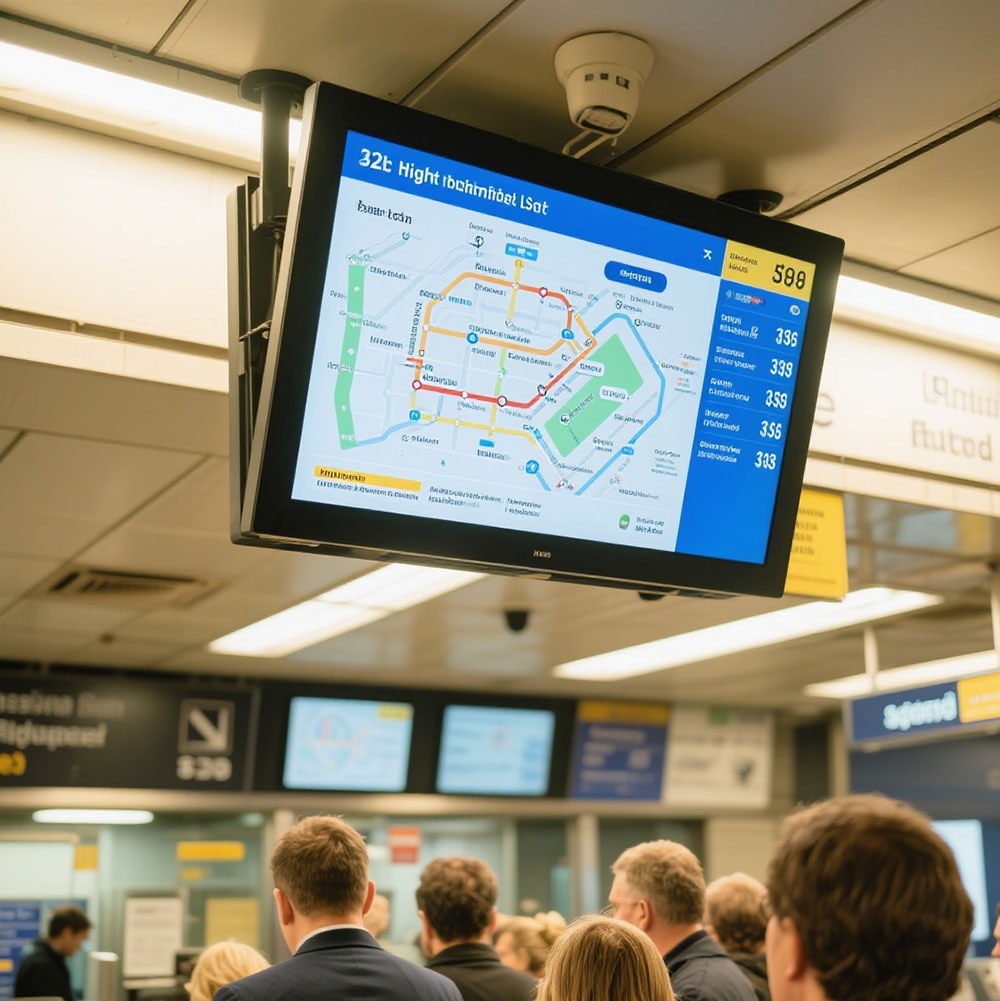
When selecting an LCD display for industrial applications, it's essential to consider not only image clarity and response time but also environmental resilience, power efficiency, and long-term reliability. Industrial-grade displays are deployed in harsh conditions—ranging from extreme temperatures (-30°C to 70°C) to high humidity, vibration, and dust exposure—so choosing a panel that meets IEC 60068 standards is critical. For instance, the LG Philips LQ121S1LG11, a 12.1-inch industrial TFT-LCD, is certified for rugged use in manufacturing control systems due to its wide operating temperature range and anti-glare coating.
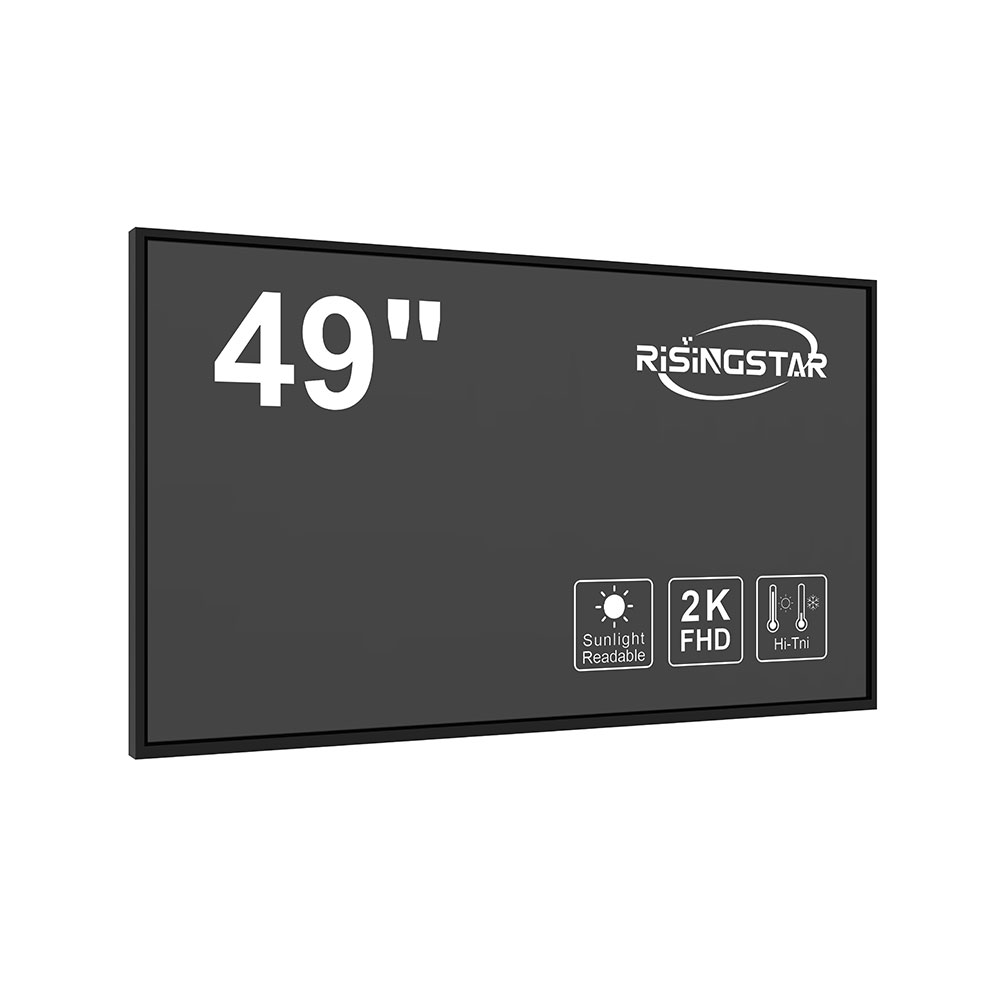
One key factor often overlooked is the display’s contrast ratio and viewing angle. In outdoor or high-brightness environments, such as solar farms or oil rigs, a display must maintain visibility under direct sunlight. High-contrast panels (e.g., 500:1 or higher) with wide viewing angles (typically ≥140° horizontal) ensure consistent readability across different positions. Brands like Innolux and AU Optronics offer panels optimized for such scenarios using IPS (In-Plane Switching) technology.
Power consumption matters too—especially in battery-powered or remote IoT devices. A low-power LCD (e.g.,< 3W at 5V) can extend operational life significantly. For example, the E-Ink-based LCDs used in smart meters reduce energy usage by up to 90% compared to traditional backlit screens, aligning with ISO 50001 energy management standards.
Another crucial consideration is touch integration. Capacitive touchscreens (like those from Synaptics or NEXIO) offer superior durability over resistive types, especially in environments where frequent user interaction occurs. They also support multi-touch gestures, enabling intuitive human-machine interfaces (HMIs).
Finally, certification compliance—such as CE, FCC, RoHS, and IP65 rating for dust/water resistance—is non-negotiable in regulated industries like medical devices or automotive. Choosing a supplier with a proven track record in industrial sectors ensures compatibility with existing systems and reduces downtime risks.
In summary, industrial LCD selection requires balancing performance metrics with real-world environmental demands. Always validate your choice through lab testing or pilot deployment before full-scale rollout.