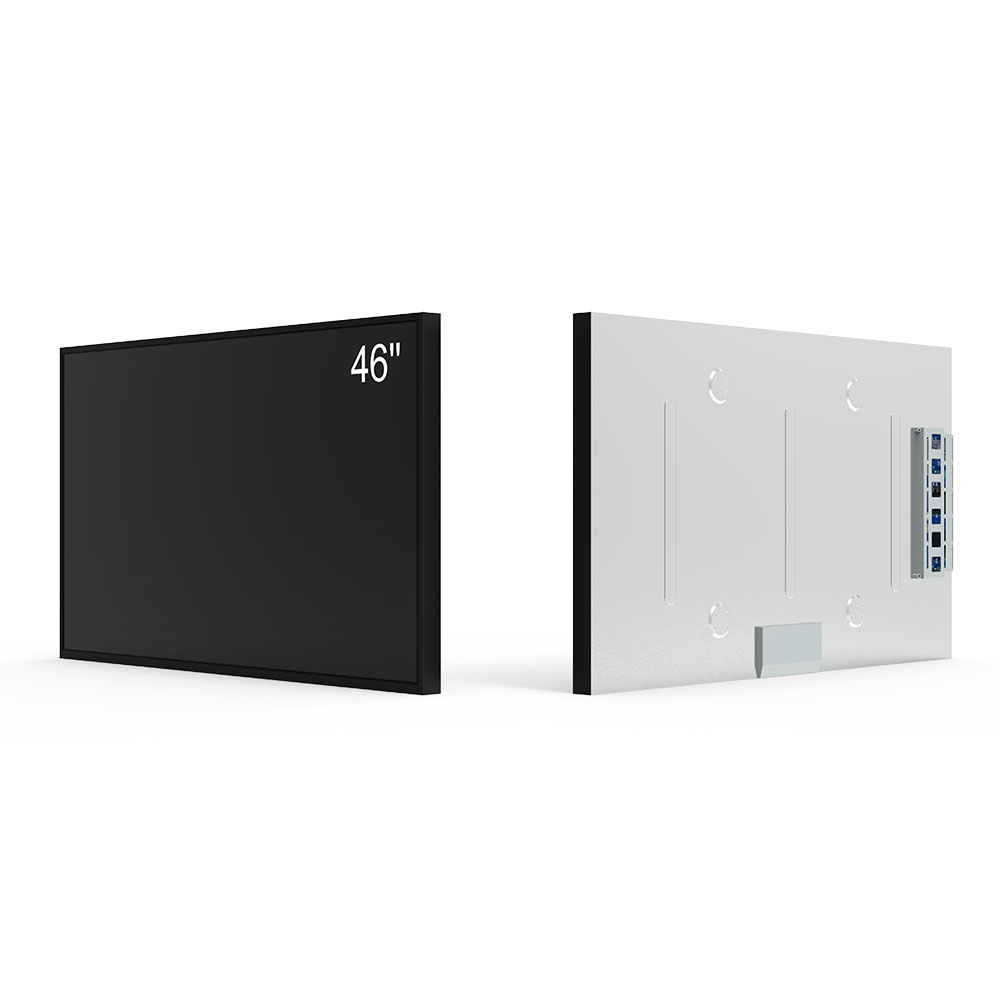
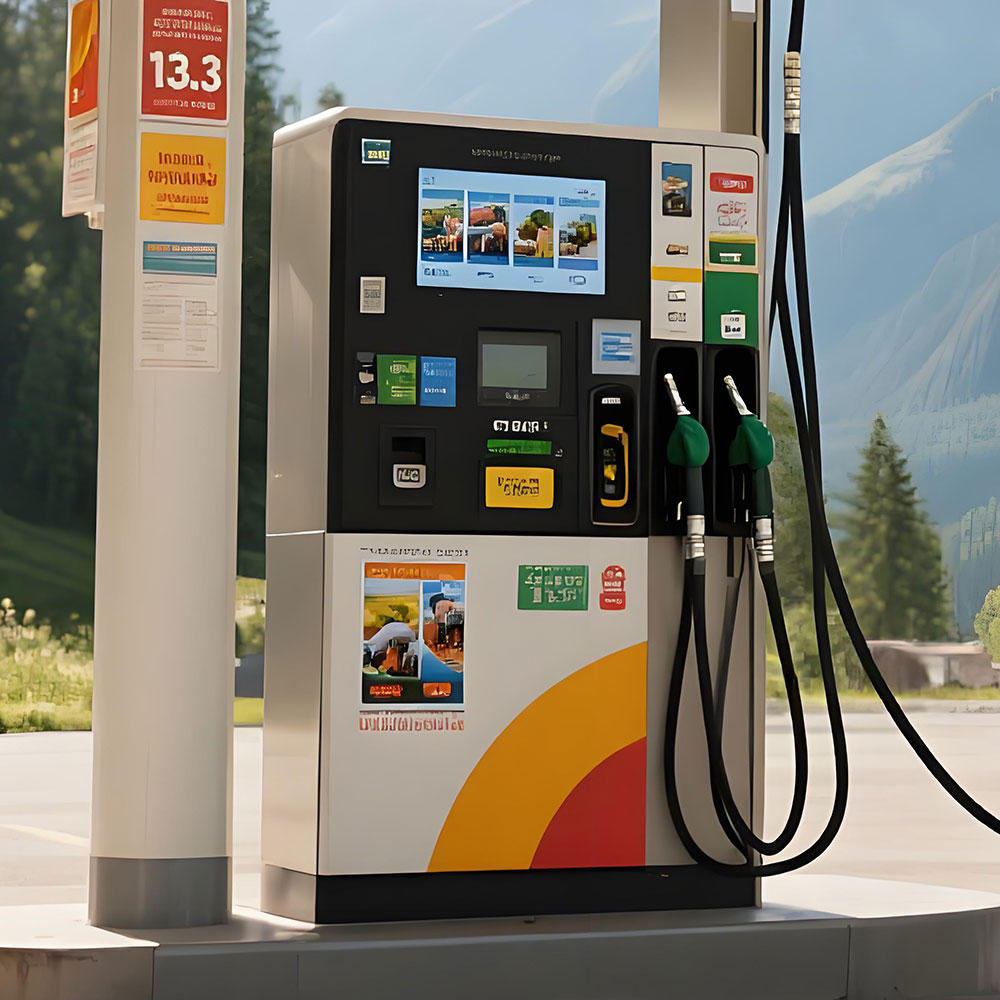
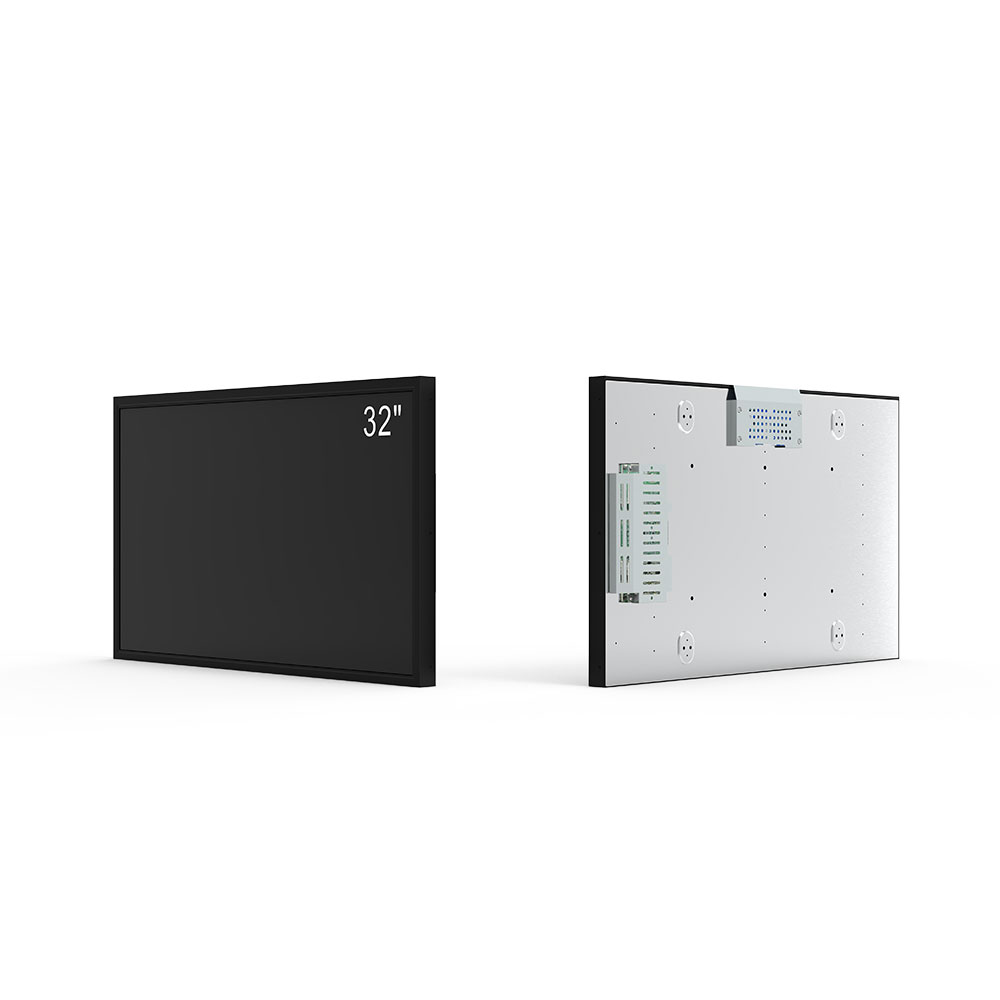
Selecting the right sunlight readable LCD screen is critical for applications in outdoor or high-brightness environments such as military vehicles, industrial control panels, public kiosks, and transportation systems. These screens must maintain clarity, contrast, and responsiveness even under direct sunlight—conditions that can easily overwhelm standard displays.
Understanding Sunlight Readability Standards
Sunlight readable LCDs are engineered to exceed 1000 nits of brightness—a benchmark set by MIL-STD-3009 and ISO 13406-2. This ensures visibility in ambient light levels exceeding 100,000 lux, which is typical during midday sun exposure. For comparison, a standard indoor LCD emits only 250–300 nits, making it nearly unusable outdoors without additional lighting or reflective coatings.
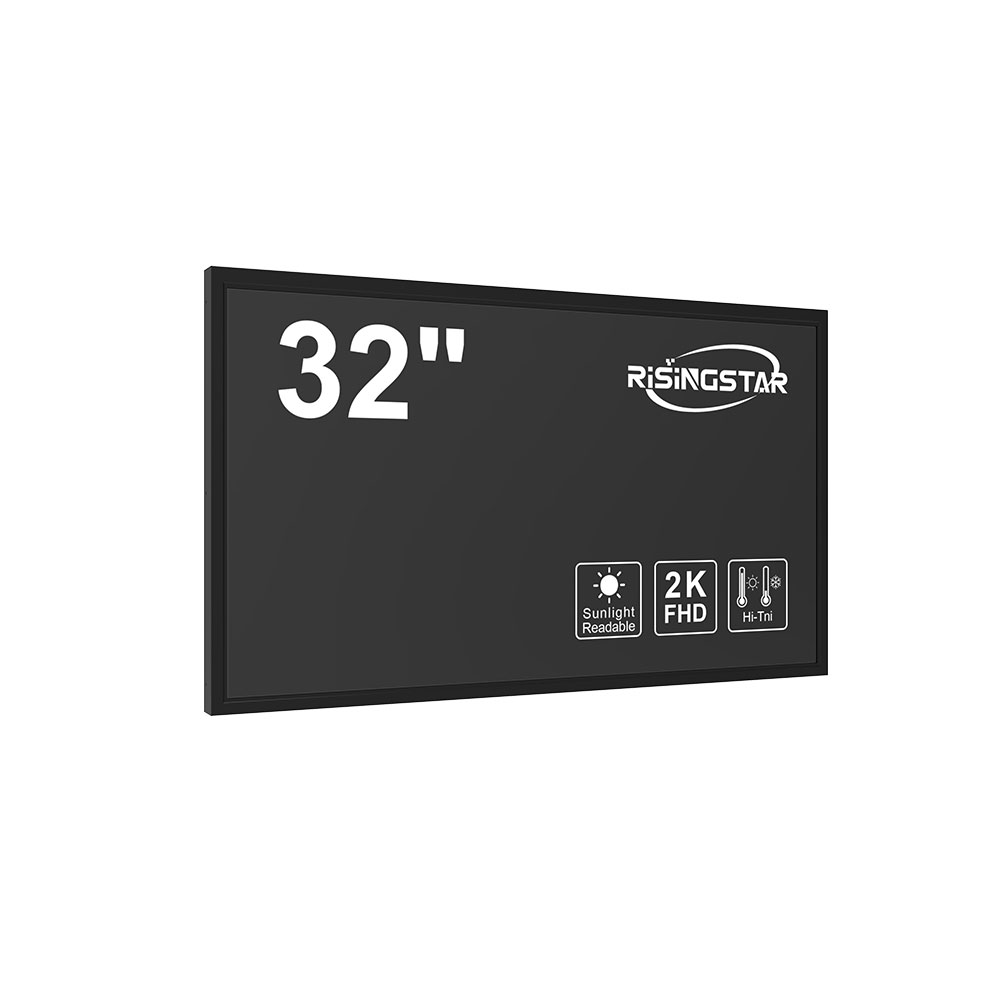
Key Technical Considerations
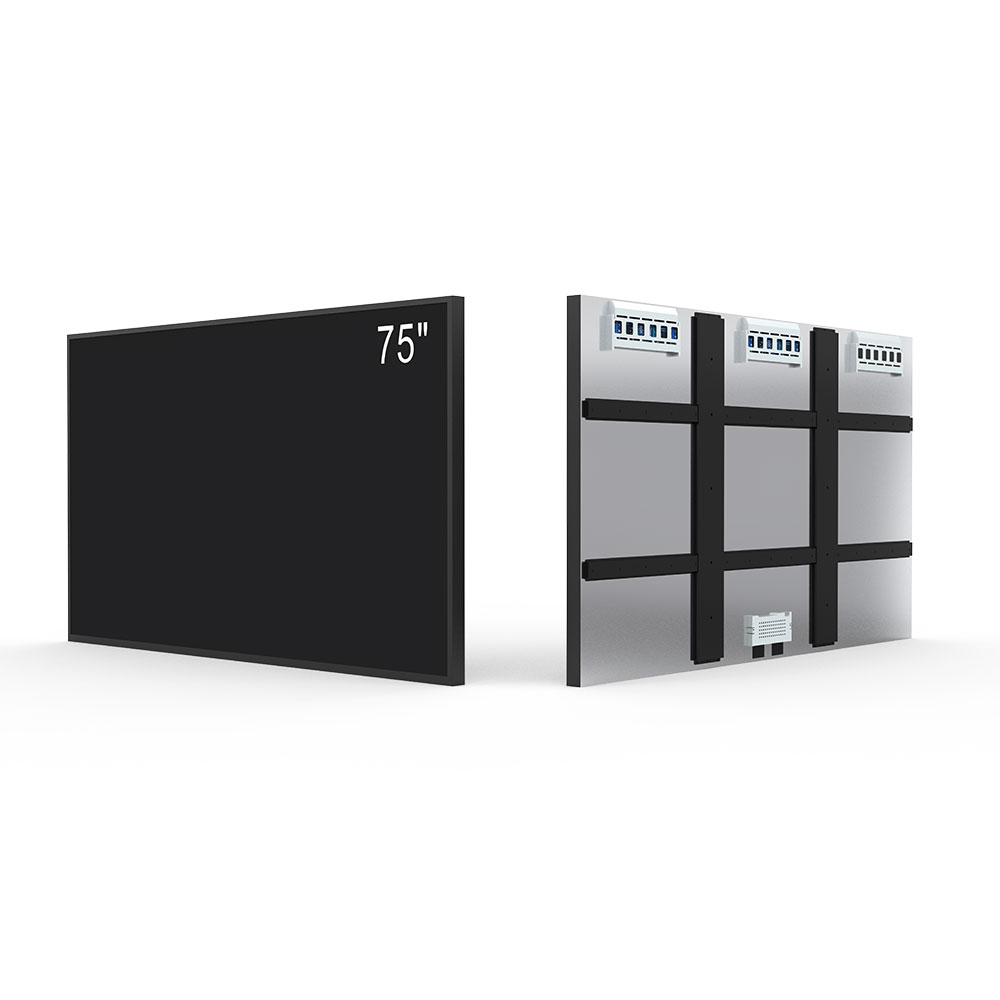
- Brightness (Nits): Aim for at least 1500–3000 nits for extreme conditions like desert or maritime operations.
- Contrast Ratio: A minimum of 1000:1 is essential for legibility. High-contrast screens reduce eye strain and improve data recognition.
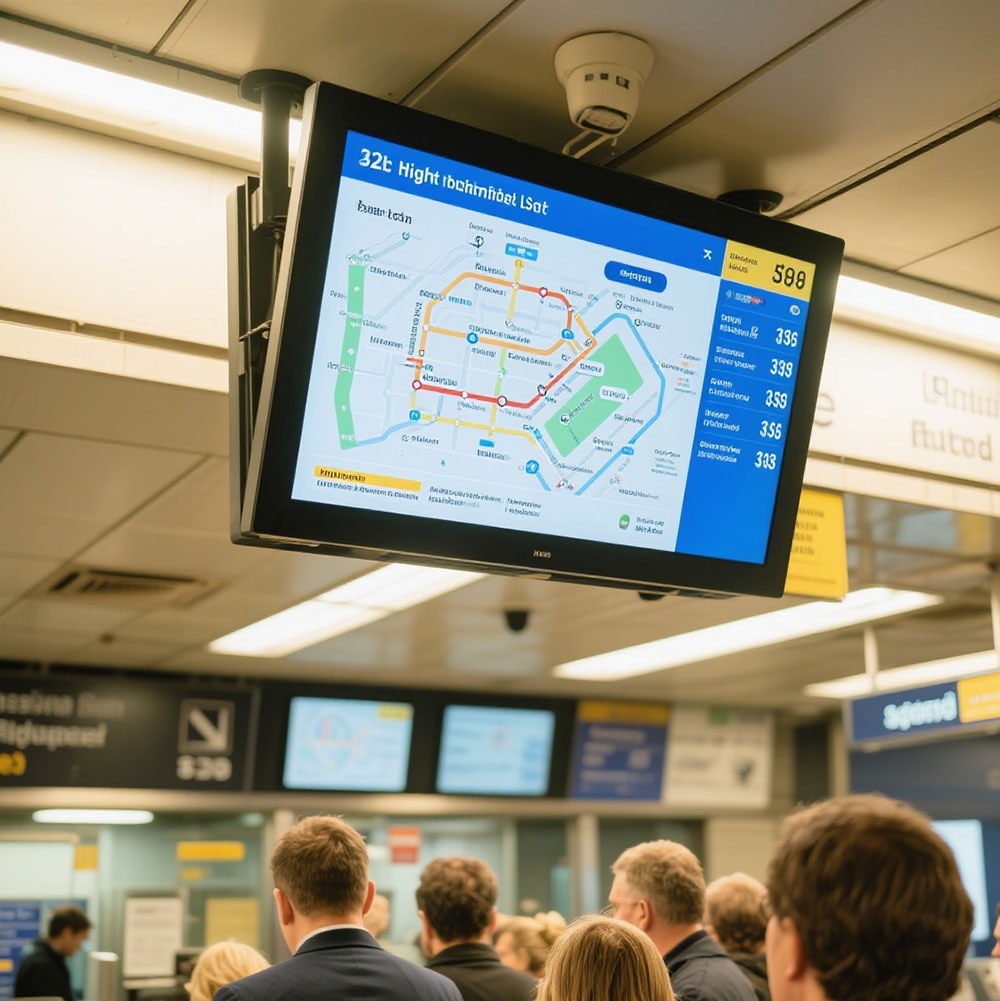
- Anti-Glare & Polarized Filters: Use of multi-layer anti-reflective coatings (e.g., AR-coated glass) minimizes glare from direct sunlight.
- Temperature Range: Industrial-grade screens should operate between -30°C to +70°C without performance degradation.
- Durability: IP65 or higher ingress protection prevents dust and water damage in harsh climates.
Real-World Case Study: Military Vehicle Displays
A U.S. Department of Defense project required an LCD screen for a reconnaissance vehicle operating in Middle Eastern deserts. The solution used a 1500-nit, 1024x768 resolution display with a polarized lens and ruggedized aluminum frame. Performance logs showed 99.7% readability under 120,000 lux sunlight, significantly outperforming commercial alternatives.
Choosing Between Transflective and Backlit Technologies
Transflective LCDs combine backlighting and ambient light reflection—ideal for variable lighting conditions. In low-light settings, they use internal LEDs; in bright daylight, they rely on reflected sunlight. This dual-mode operation reduces power consumption by up to 40% compared to fully backlit screens.
Industry Best Practices
- Always request a full environmental test report (including thermal cycling, humidity, and vibration).
- Validate screen performance using a calibrated photometer—not just visual inspection.
- Partner with manufacturers certified to ISO 9001 and IEC 60068 standards for consistent quality.
By prioritizing technical specifications over cost alone, organizations can ensure long-term reliability and user safety in mission-critical outdoor deployments.