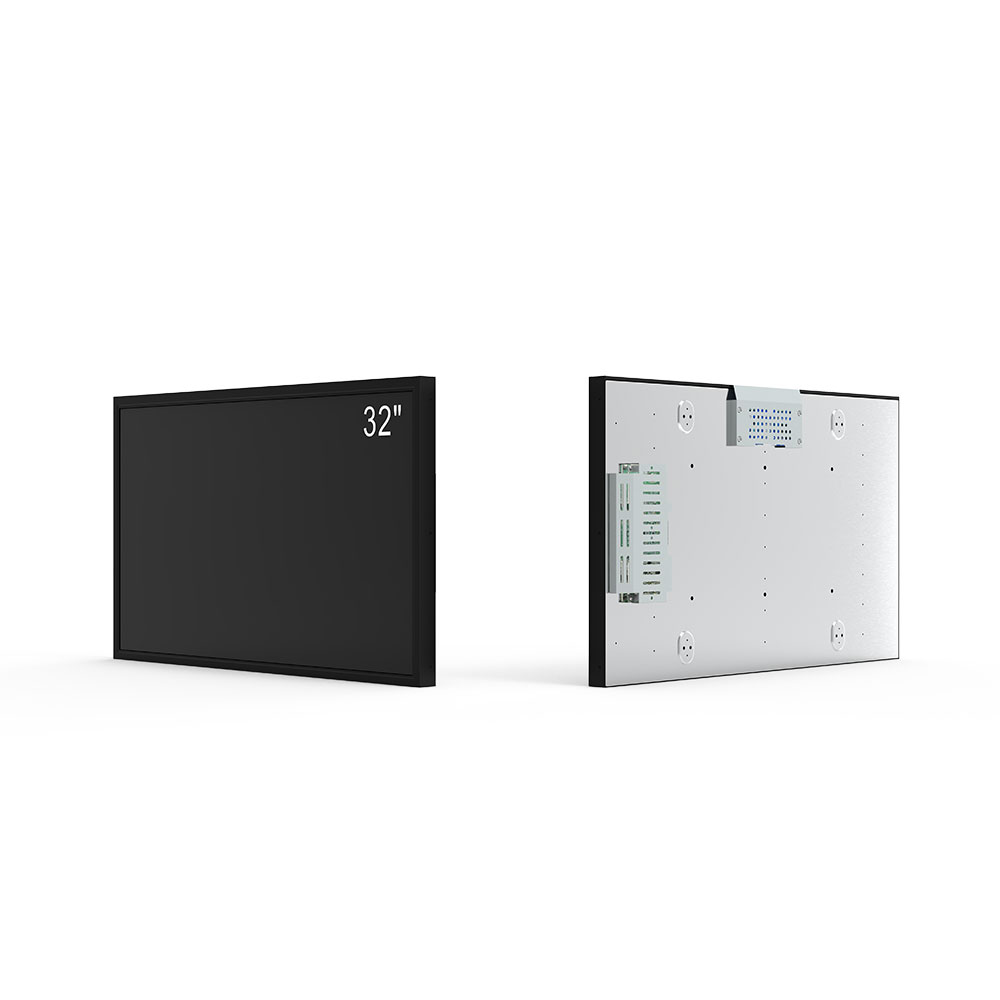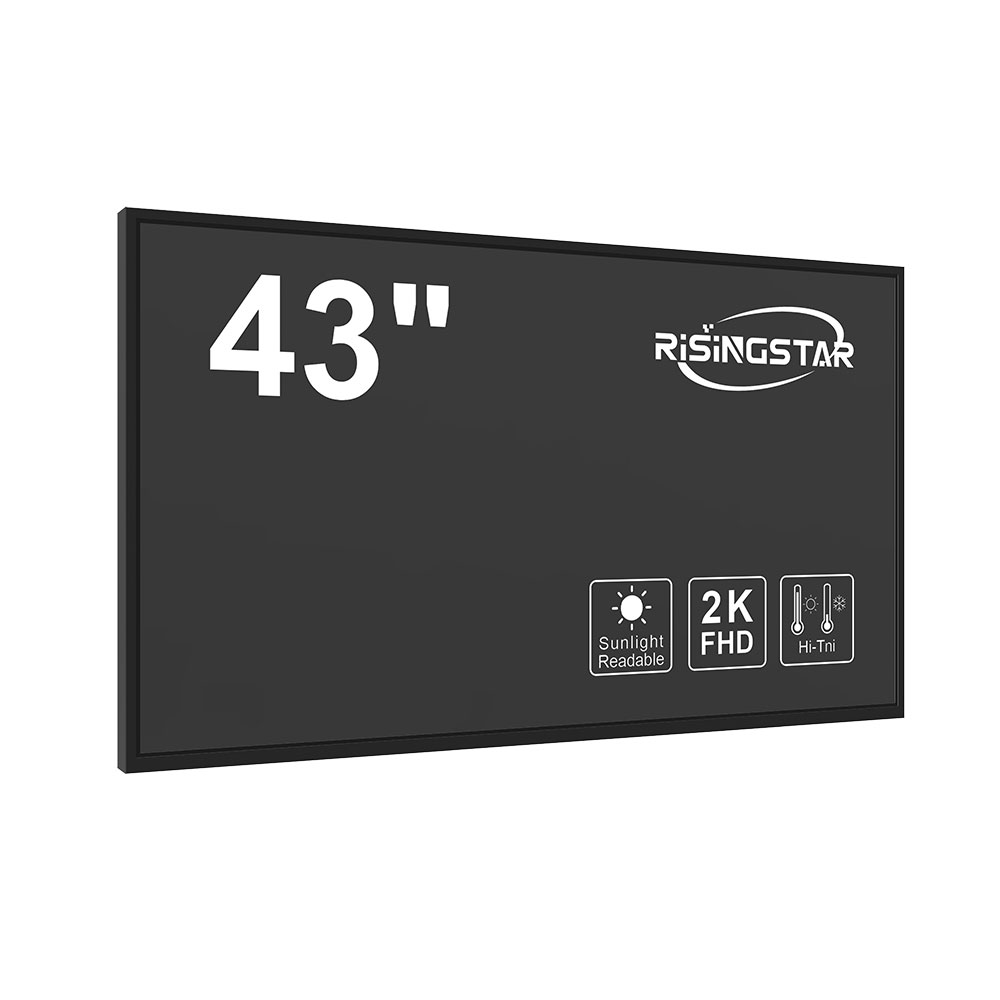
LCD (Liquid Crystal Display) technology remains a cornerstone of modern visual interfaces, powering everything from smartphones and televisions to industrial monitors and automotive dashboards. Its widespread adoption stems from its balance of cost-efficiency, energy savings, and image quality—making it indispensable in both consumer and professional sectors.
One key advantage of LCD panels is their ability to produce high-resolution images with consistent color accuracy. Unlike older CRT displays, LCDs use a matrix of liquid crystals controlled by thin-film transistors (TFTs), allowing precise manipulation of light passing through each pixel. This enables sharp visuals even at 4K or higher resolutions, which is essential for applications like medical imaging, digital signage, and gaming.
Another critical factor in LCD performance is backlighting. Modern LCDs often use LED backlights, which not only reduce power consumption by up to 40% compared to CCFL (cold cathode fluorescent lamp) systems but also enhance contrast ratios and enable thinner panel designs. OLED and QLED technologies have gained popularity in recent years, but LCD remains the dominant choice for large-scale displays due to its mature manufacturing processes and reliability.
Environmental resilience is another strength of LCD panels. Many commercial-grade LCDs are rated for wide temperature ranges—from -20°C to 60°C—and are tested against vibration, humidity, and EMI (electromagnetic interference). These features make them ideal for outdoor kiosks, factory automation, and transportation systems where display durability is crucial.

In terms of industry standards, ISO 13406-2 and IEC 62305 define performance benchmarks for brightness uniformity, response time, and viewing angles in LCDs used in professional environments. Manufacturers such as LG Display, AU Optronics, and BOE Technology adhere to these guidelines, ensuring consistency across global markets.
For developers and integrators, choosing the right LCD panel involves evaluating factors like refresh rate (60Hz–144Hz), color gamut (typically 72% NTSC or higher), and input latency. High-end models now support HDR (High Dynamic Range) content and adaptive sync technologies like FreeSync or G-Sync, making them suitable for competitive gaming and virtual reality setups.
Ultimately, LCD panel technology continues to evolve, driven by innovations in materials science, mini-LED backlighting, and AI-enhanced image processing. As demand grows for energy-efficient, durable, and versatile displays in smart cities, IoT devices, and mobile computing, LCDs will remain a foundational technology—proven, scalable, and highly adaptable to future needs.