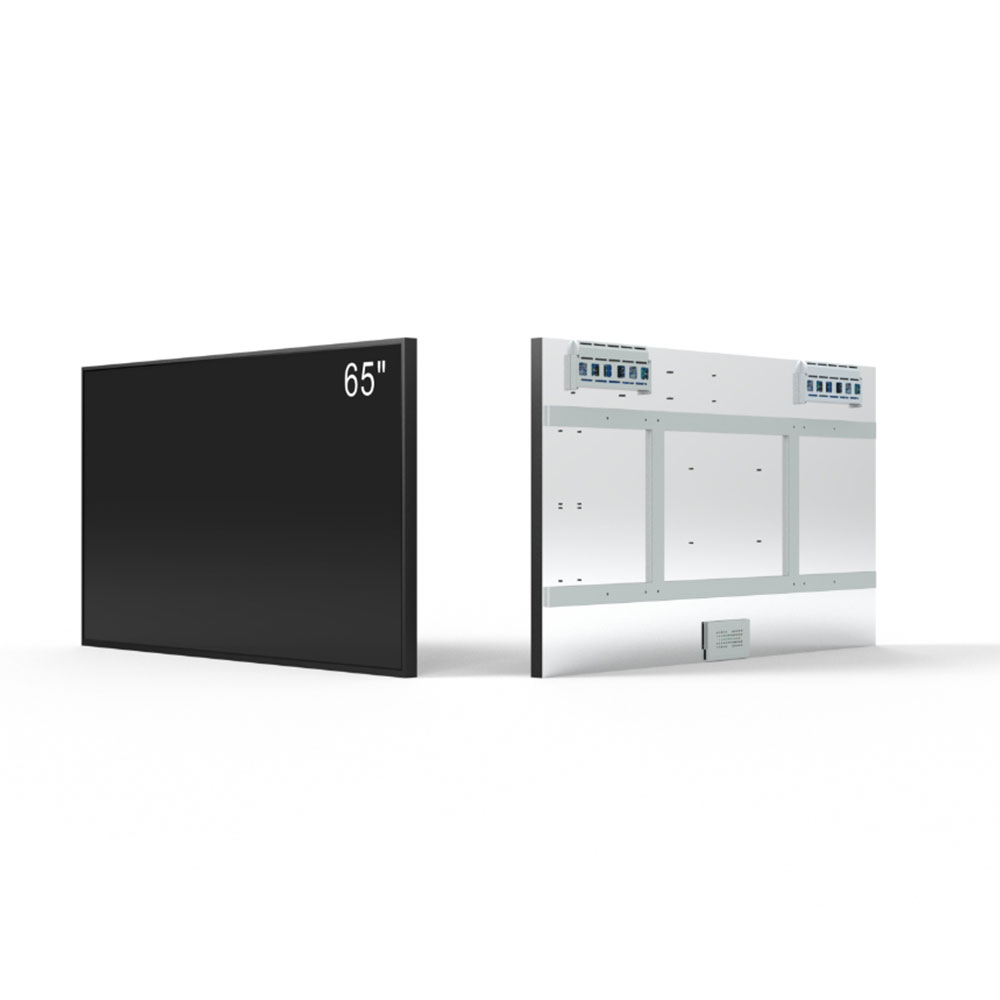
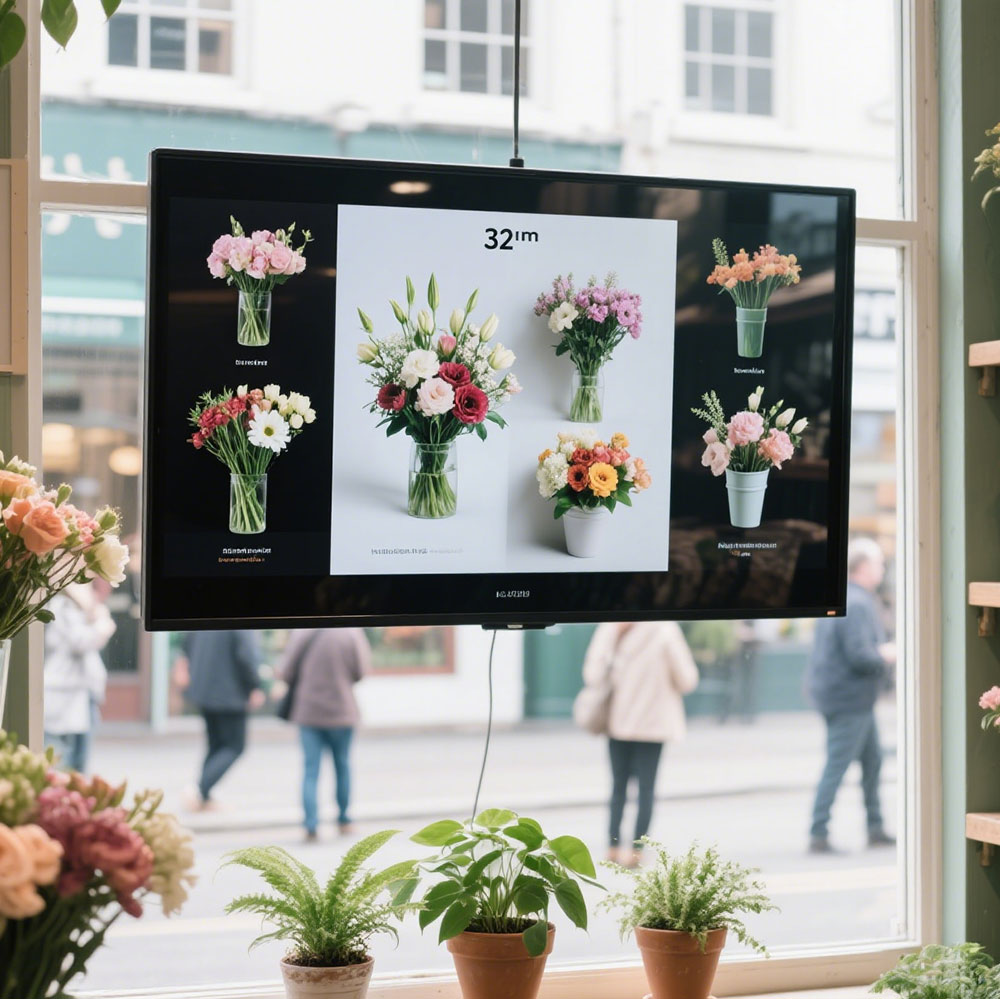
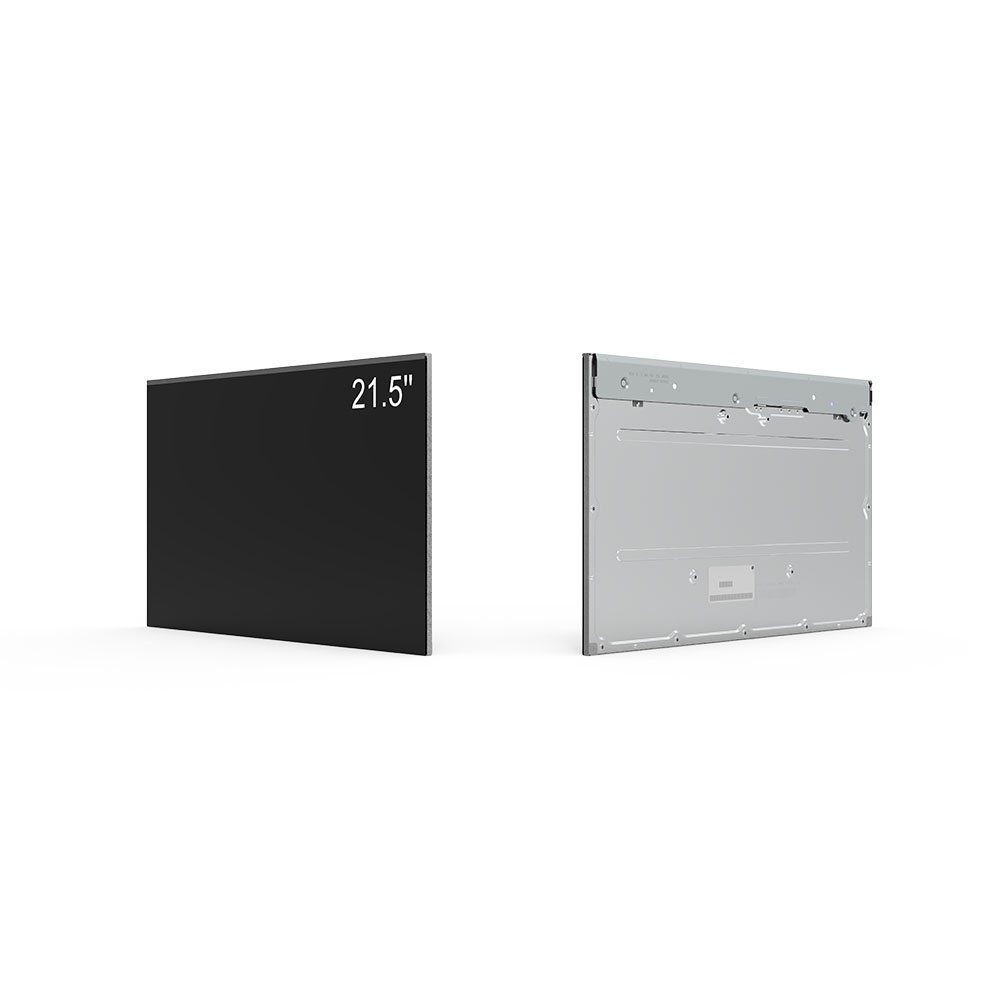
When selecting the right display technology for modern applications—from smartphones and tablets to industrial monitors and automotive dashboards—the choice between TFT and IPS LCD panels is critical. Both are types of Liquid Crystal Displays (LCDs), but they differ significantly in performance, cost, and suitability for specific use cases.
TFT (Thin-Film Transistor) is a foundational LCD technology that uses transistors at each pixel to improve image quality over older passive-matrix displays. It provides better contrast, faster response times, and clearer visuals, making it ideal for consumer electronics like laptops and mid-range smartphones. However, TFT screens often suffer from narrow viewing angles and inconsistent color reproduction when viewed off-axis—a major drawback for collaborative or professional settings.
IPS (In-Plane Switching), on the other hand, was developed as an evolution of TFT to address these limitations. In IPS, liquid crystals are aligned parallel to the panel surface, allowing for wider viewing angles—typically up to 178°—and more accurate color representation. This makes IPS panels the preferred choice for graphic design, medical imaging, and high-end monitors where visual precision matters. While IPS screens generally have slightly slower response times than basic TFTs and higher manufacturing costs, recent advancements in fast-response IPS variants (e.g., Fast IPS or Advanced IPS) have narrowed this gap significantly.
Industry benchmarks confirm that IPS outperforms standard TFT in key metrics: color accuracy (Delta E< 2), uniformity across the screen, and reduced color shift under tilt. For example, the LG LP156W01-SL (a popular IPS panel) delivers consistent performance across all viewing angles, while the Samsung LTN156AT01 (a typical TFT) shows noticeable hue distortion beyond 30°.
Environmental durability also favors IPS in harsh conditions—such as outdoor kiosks or vehicle dashboards—due to improved resistance to temperature fluctuations and sunlight glare. According to a 2023 report by Display Supply Chain Consultants (DSCC), over 65% of premium mobile devices now use IPS due to its superior image stability and user experience.
For manufacturers, the decision hinges on balancing cost, application needs, and longevity. TFT remains a cost-effective option for budget devices, while IPS dominates the premium segment. As OLED and Mini-LED technologies rise, IPS continues to offer compelling value for industries requiring stable, long-lasting LCD solutions.
Whether you're sourcing panels for commercial products or optimizing your monitor setup, understanding the differences between TFT and IPS ensures better performance, user satisfaction, and return on investment.