When choosing a display technology for consumer electronics, industrial equipment, or medical devices, understanding the differences between IPS LCD and TFT display is essential. While both technologies fall under the broader category of liquid crystal displays (LCDs), their performance, application scope, and cost structures vary significantly. This article provides a detailed comparison to help engineers, product designers, and procurement managers make informed decisions in 2024.
IPS (In-Plane Switching) LCD is an advanced variant of TN (Twisted Nematic) technology that offers superior viewing angles, color accuracy, and image stability. It works by aligning liquid crystals parallel to the substrate, allowing light to pass through more uniformly across the screen. Modern IPS panels used in smartphones, tablets, and high-end monitors are known for their vivid colors, consistent brightness, and excellent contrast ratios—especially important for graphic design, photography, and video editing workflows. For example, Apple’s iPad Pro and Dell’s UltraSharp monitors leverage IPS technology for professional-grade visual fidelity.
TFT (Thin-Film Transistor) LCD, on the other hand, refers to a broader class of active-matrix LCDs where each pixel is controlled individually using thin-film transistors. While many TFT displays use TN or IPS sub-pixels, the term “TFT” often implies a lower-cost, mid-range solution. These displays are widely used in budget smartphones, automotive dashboards, point-of-sale terminals, and basic industrial control panels. Although they may lack the color precision of IPS panels, TFT displays offer faster response times and lower power consumption—making them ideal for dynamic content like video playback or real-time data updates.
A critical differentiator lies in response time and refresh rate. IPS panels typically have slower response times (around 4–10ms), which can cause motion blur in fast-paced games or videos. In contrast, some TN-based TFT displays achieve response times as low as 1ms, making them popular in gaming monitors. However, this comes at the expense of viewing angle limitations—colors shift noticeably when viewed from the side.
Environmental resilience is another factor. Industrial-grade IPS panels, such as those from LG Display and BOE, are rated for extreme temperatures (-30°C to +70°C) and humidity, making them suitable for outdoor kiosks or factory automation. TFT displays in the same category may require additional protective coatings or housing to meet these standards.
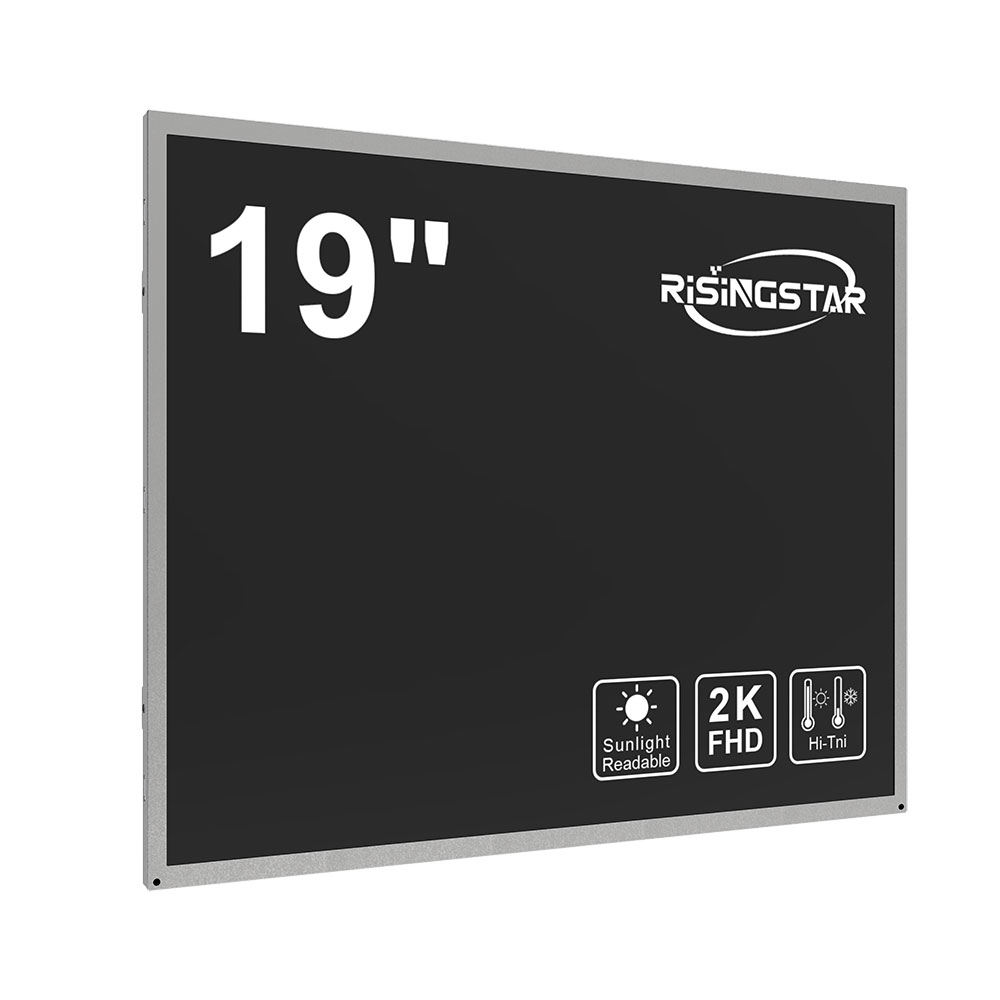
From a cost perspective, IPS panels are generally 20–40% more expensive than equivalent-sized TFT displays due to complex manufacturing processes and higher material costs. Yet, their long-term value in terms of reduced eye strain, better color consistency, and longer lifespan justifies the investment in professional environments.
In summary, the choice between IPS LCD and TFT display depends on application-specific needs. For professionals requiring accurate visuals, IPS is the clear winner. For cost-sensitive, high-refresh-rate applications like gaming or embedded systems, TFT remains a pragmatic option. As of 2024, hybrid solutions—such as VA (Vertical Alignment) with IPS-like benefits—are emerging, but IPS and TFT remain foundational technologies shaping the future of display innovation.