In modern industrial, automotive, and consumer electronics design, the IP66 waterproof rating has become a critical benchmark for durability and performance under adverse conditions. IP, or Ingress Protection, is an international standard defined by the International Electrotechnical Commission (IEC 60529) that classifies the degree of protection provided against solid objects (like dust) and liquids (such as water). The IP66 rating signifies two key protections:
First, the “6” indicates complete protection against dust ingress—no dust can enter the device, which is essential in environments like mining, construction, or manufacturing facilities where airborne particles are abundant. This level of dust resistance prevents internal component degradation, extends product lifespan, and reduces maintenance costs.
Second, the “6” after the decimal denotes protection against powerful water jets from any direction—equivalent to being exposed to a high-pressure hose spray for at least 3 minutes without harmful effects. This makes IP66 ideal for outdoor lighting, marine equipment, agricultural machinery, and smart city infrastructure such as traffic control units or street cameras.
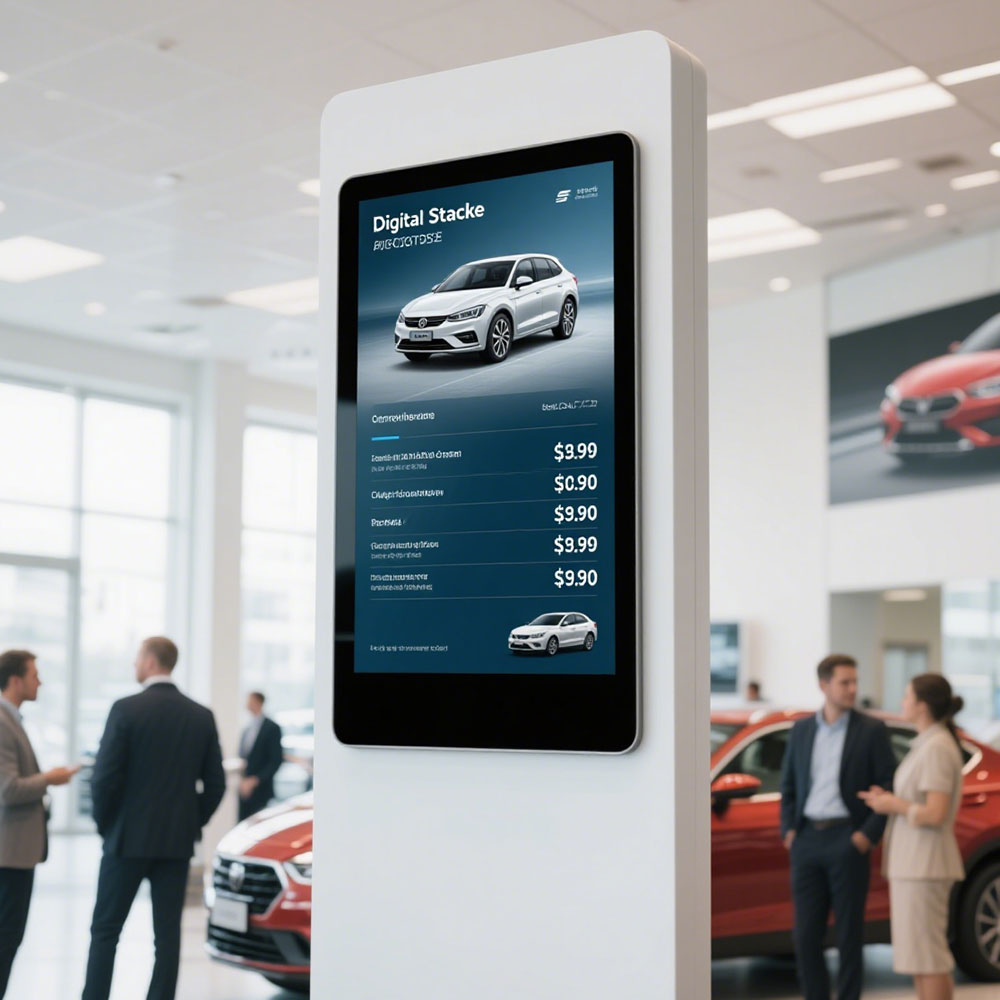
Real-world applications demonstrate the value of IP66. For instance, LED floodlights used in sports stadiums or roadways must withstand rain, wind-driven moisture, and even accidental cleaning with pressure washers. Similarly, smartphones like the Samsung Galaxy S24 Ultra and ruggedized tablets from companies like Getac or Panasonic Toughbook are often rated IP66 to ensure usability in wet or dusty field operations.
Testing standards for IP66 involve rigorous laboratory procedures. Devices are subjected to controlled water jets at 12.5 liters per minute at a pressure of 100 kPa (approximately 14.5 psi), simulating heavy rainfall or industrial washdowns. Dust testing includes 8 hours of exposure to fine talcum powder in a closed chamber, ensuring no accumulation inside the enclosure.
The IP66 rating also plays a vital role in meeting global compliance requirements. It aligns with environmental regulations such as UL 1994, IEC 60529, and EN 60529, enabling manufacturers to access markets including North America, Europe, and Asia-Pacific with confidence. Furthermore, it enhances user trust—according to a 2023 survey by Consumer Reports, over 70% of users prioritize water resistance when purchasing portable electronics.
While IP66 offers robust protection, it’s important to note that it does not guarantee submersion in water—it is not equivalent to IP67 or IP68. For applications requiring full immersion, higher ratings must be specified. Nonetheless, IP66 remains one of the most widely adopted waterproof standards across industries, balancing cost-effectiveness, reliability, and real-world performance.