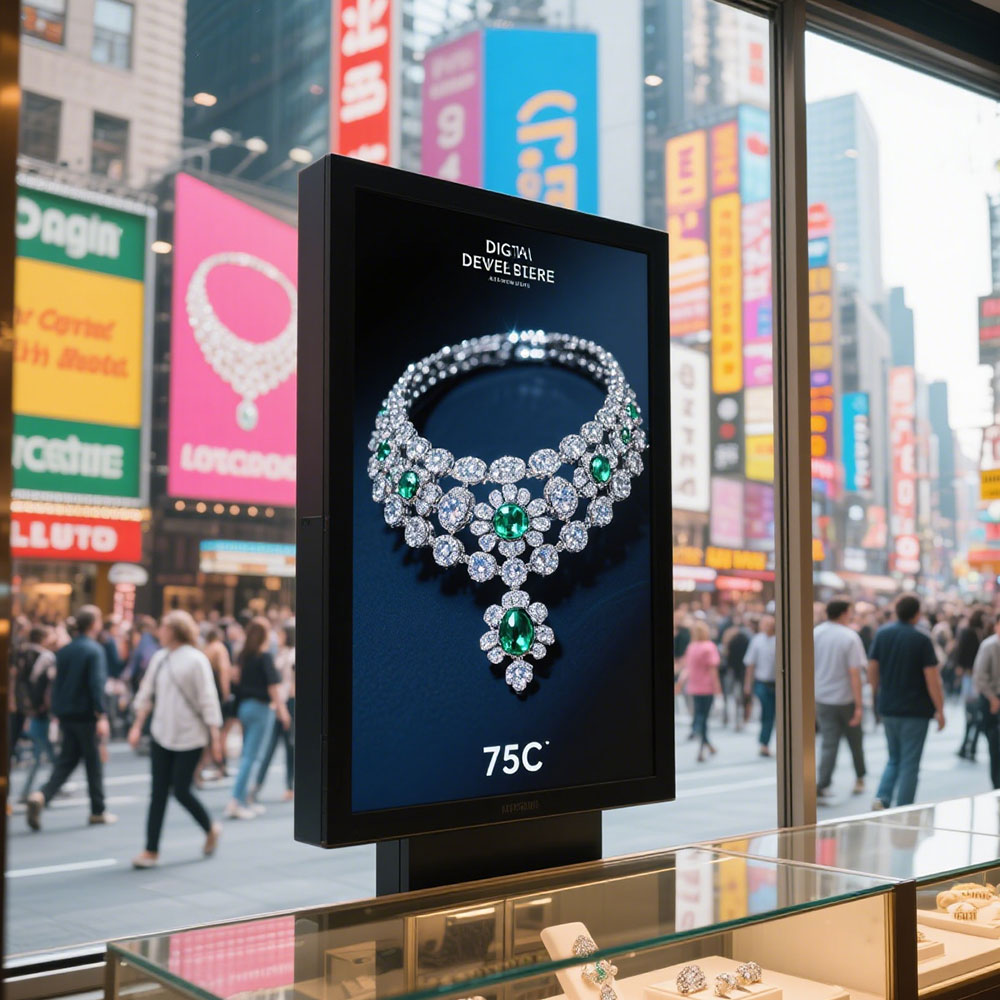
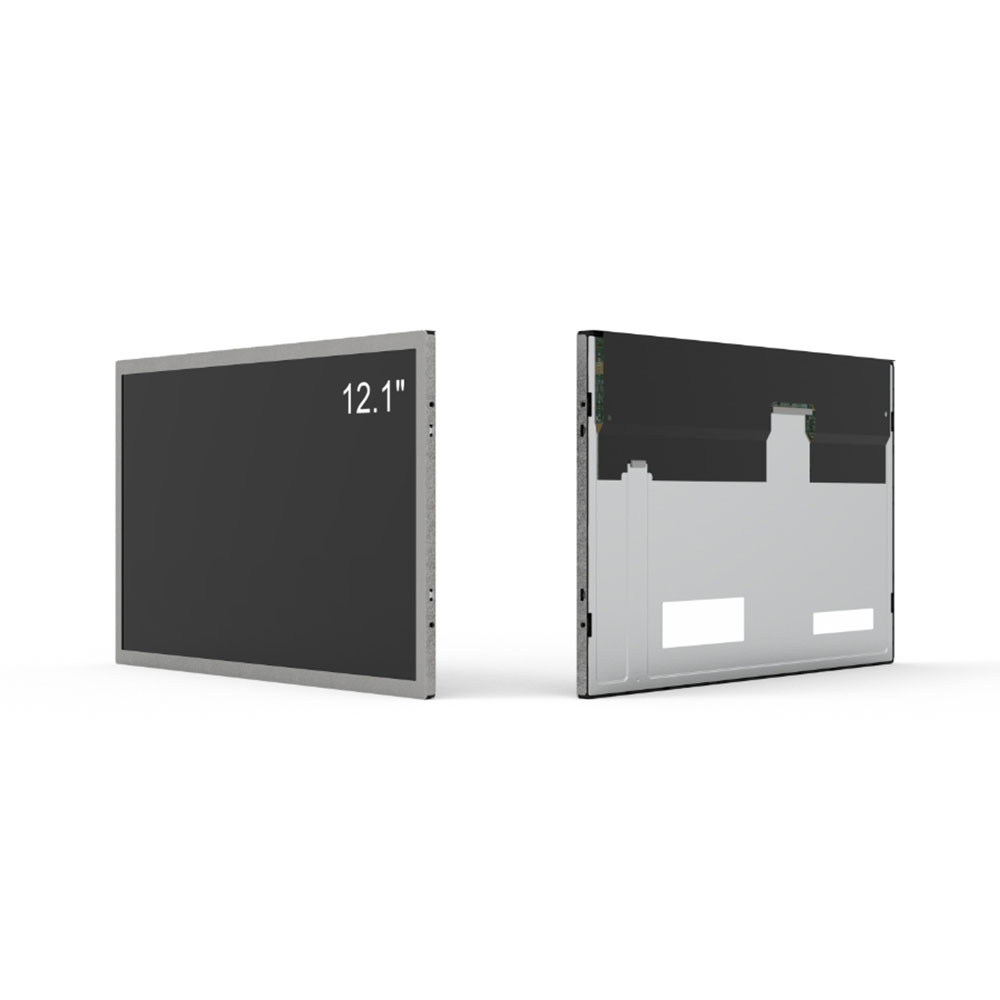
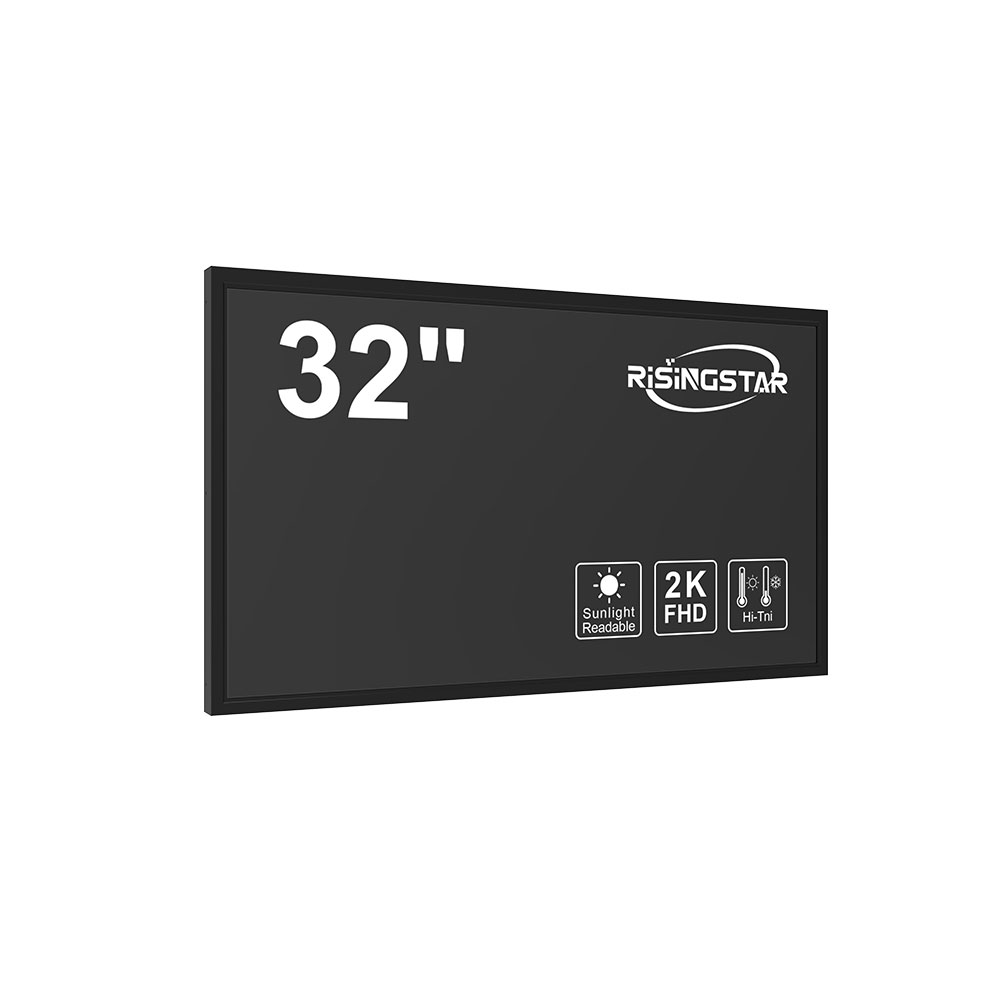
In the rapidly evolving field of display technology, LCD (Liquid Crystal Display) manufacturing remains a cornerstone for consumer electronics, industrial equipment, and automotive applications. As demand grows for higher resolution, energy efficiency, and durability, manufacturers must adopt best practices to remain competitive and meet global standards. This article outlines key strategies that industry leaders use to optimize production, ensure quality, and reduce environmental impact in 2024.
First, precision in material selection is critical. High-purity glass substrates, uniform liquid crystal formulations, and low-resistance electrodes directly influence pixel performance and lifespan. According to the Society for Information Display (SID), using ISO-certified materials reduces defect rates by up to 35%. For example, Corning Gorilla Glass and Samsung’s LCD-grade TFT panels are commonly used in premium displays due to their thermal stability and optical clarity.
Second, automation and AI-driven quality control have transformed LCD production lines. Machine vision systems powered by deep learning can detect micro-defects like black spots, line faults, or uneven backlighting at speeds exceeding 100 units per minute. A 2023 study by McKinsey & Company found that factories integrating AI-based inspection reduced rework costs by 40% while improving yield rates from 87% to 96%.
Third, environmental compliance and sustainability are no longer optional. The EU RoHS directive and China’s GB/T 39600-2021 standard require strict controls on lead, mercury, and cadmium. Leading manufacturers such as LG Display and BOE Technology now recycle over 90% of process water and repurpose scrap glass into construction materials—cutting waste disposal costs by 60%.
Fourth, thermal management and aging tests must be rigorous. LCD panels undergo accelerated life testing (ALT) under high temperature (60°C) and humidity (85%) for 1,000 hours to simulate real-world conditions. Panels that pass these tests show a 99.2% reliability rate over five years, as validated by JEDEC JESD22-A101 standards.
Finally, customer-specific customization enhances market differentiation. Automotive LCDs, for instance, must meet ISO 16750 for vibration resistance and IEC 60068 for extreme temperatures. Custom backlight designs, touch-sensitive layers, and anti-glare coatings are now routine in mid-to-high-end segments.
By focusing on these pillars—material science, automation, sustainability, testing rigor, and customization—LCD manufacturers can future-proof their operations and deliver products that meet both technical excellence and consumer expectations in 2024 and beyond.