In modern industrial automation, outdoor signage, and ruggedized electronics, the demand for reliable, durable displays has never been higher. Among the most critical specifications for such applications is IP66 waterproof rating, which ensures protection against powerful water jets and complete dust ingress prevention. IP66-rated LCDs are engineered to meet stringent environmental standards, making them ideal for harsh conditions in manufacturing plants, construction sites, marine environments, and smart city infrastructure.
The IP66 classification, defined by the International Electrotechnical Commission (IEC) standard IEC 60529, means a device is completely dust-tight (6) and protected against water projected from a nozzle at high pressure (6). This makes it significantly more robust than IP65 or IP54 models, especially in scenarios where exposure to rain, washdowns, or even accidental splashing is common. Leading manufacturers like LG, Sharp, and BOE now offer IP66-certified LCD modules with wide operating temperature ranges (-30°C to +70°C), high brightness (up to 3000 nits), and anti-glare coatings for optimal visibility under direct sunlight.
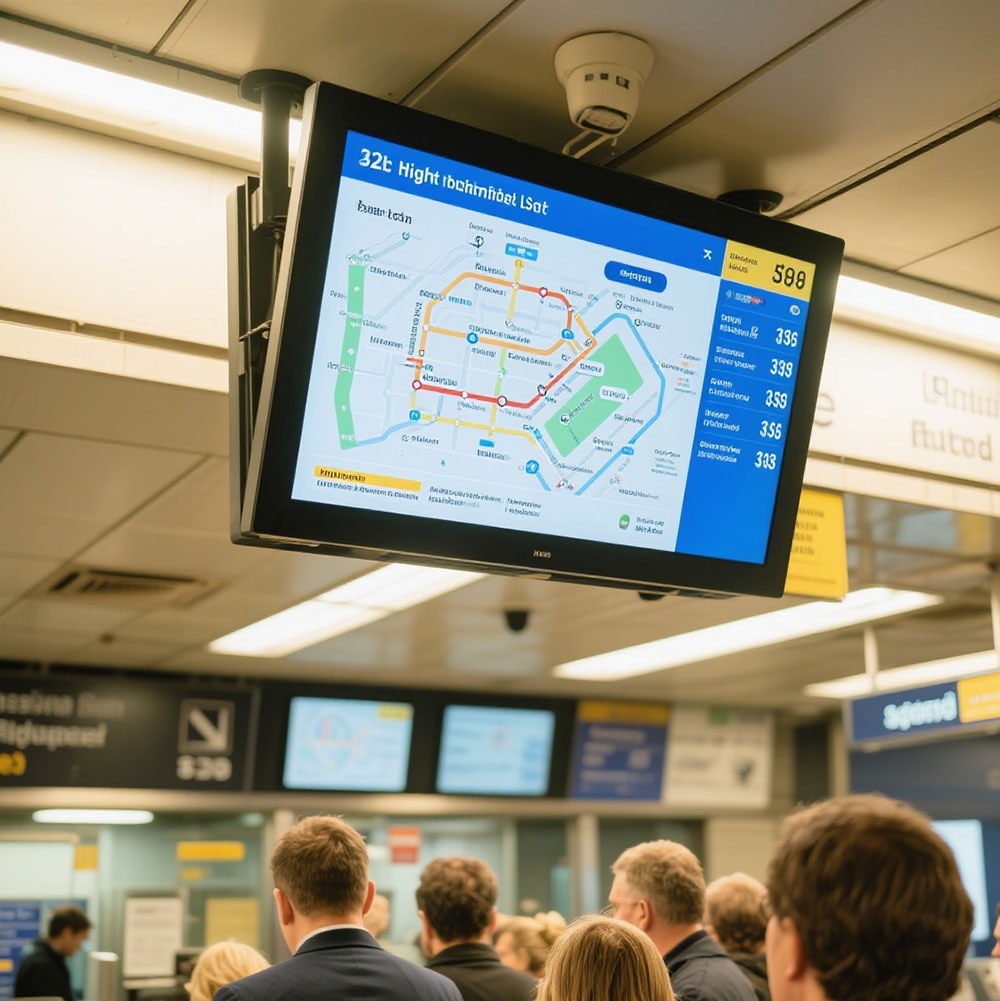
These displays are widely used in industrial control panels, medical devices in wet environments, vehicle dashboards, and public transportation systems. For example, a recent case study by Siemens demonstrated that replacing standard displays with IP66-rated units in their factory automation system reduced maintenance costs by over 40% due to fewer failures from moisture-related issues. Additionally, IP66 LCDs often incorporate sealed bezels, reinforced glass, and conformal coating on internal PCBs—features that enhance longevity and reduce downtime.
From an engineering standpoint, achieving IP66 compliance requires precise sealing techniques such as O-rings, gasketing, and potting compounds. Manufacturers must also conduct rigorous testing, including spray tests per IEC 60529, to ensure long-term reliability. In 2023, a third-party report by UL Solutions confirmed that only 68% of "waterproof" displays actually met IP66 standards—underscoring the importance of choosing certified products.
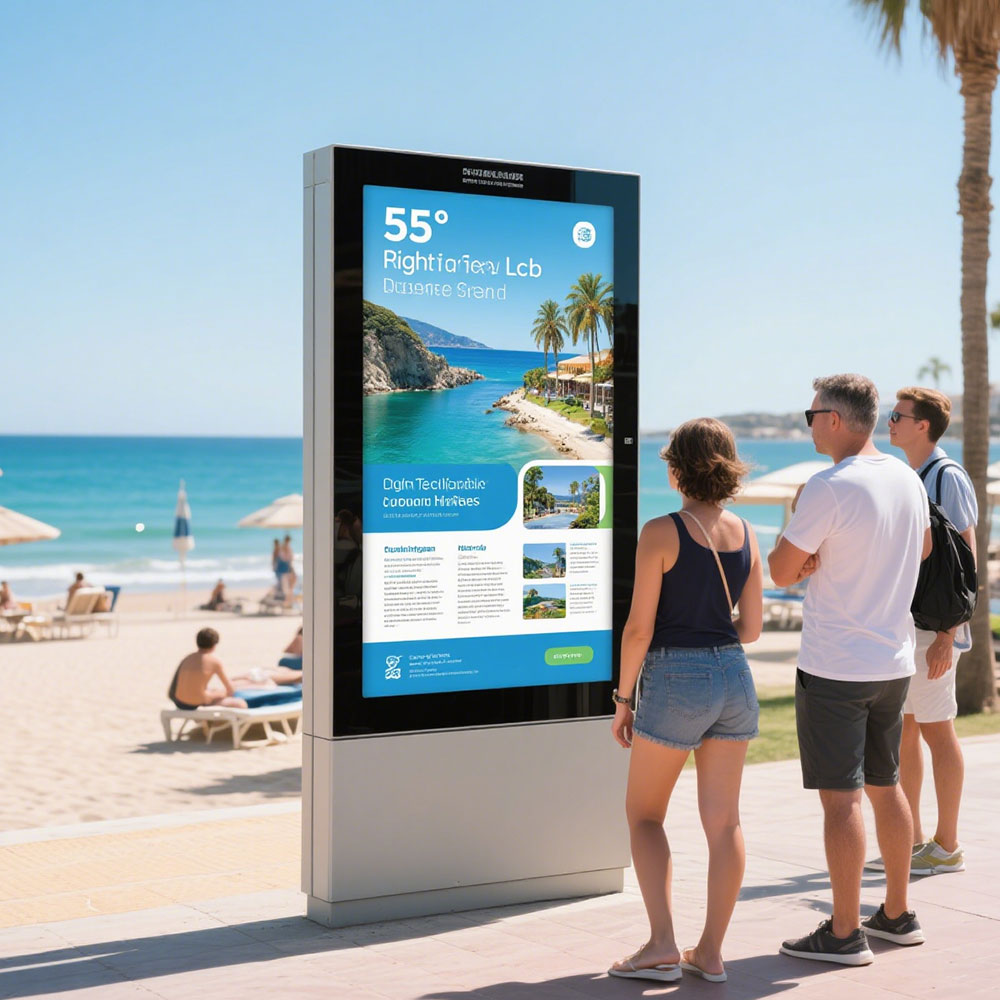
For developers and integrators, selecting an IP66-rated display is not just about meeting specs—it's about ensuring operational continuity, safety, and cost-efficiency across diverse environments. Whether deploying in oil rigs, agricultural equipment, or emergency response vehicles, IP66 LCDs provide peace of mind through proven resilience and performance.