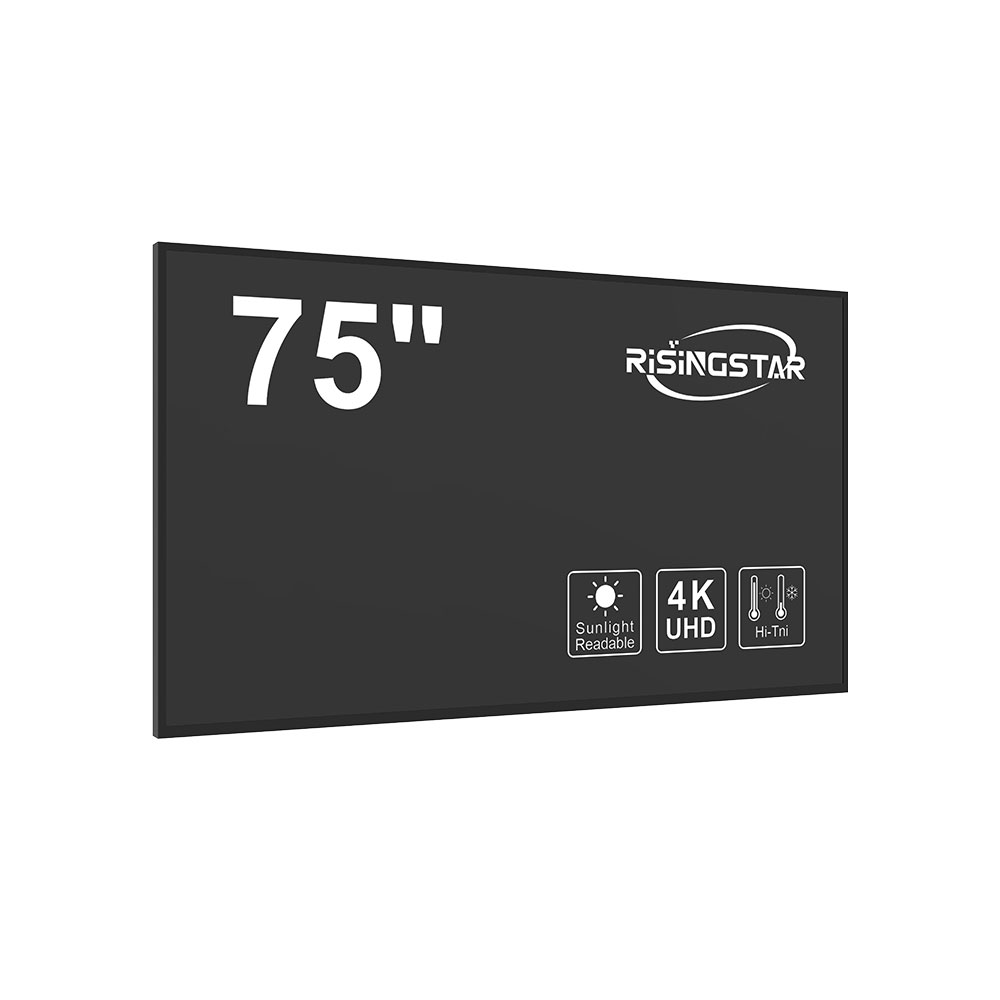
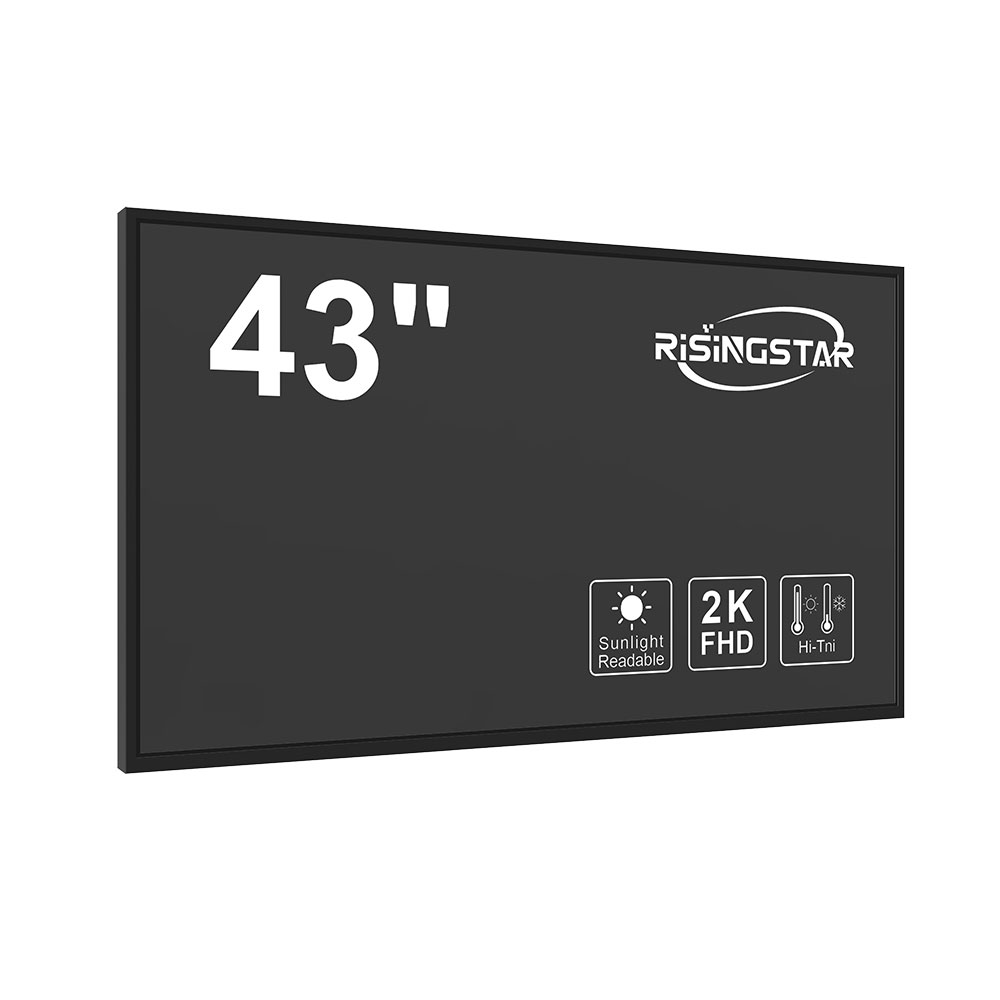
In today’s digital landscape, LCD displays have become essential across industries—from consumer electronics to industrial control systems. Among the most common configurations is the 16:9 aspect ratio, which offers a perfect balance between screen real estate and visual comfort for both productivity and entertainment. This format has become the industry standard for everything from laptops and monitors to televisions and digital signage.
Available in a wide range of sizes—from compact 10.1-inch units to massive 110-inch panels—LCDs with a 16:9 display ratio cater to diverse use cases. For example, a 10.1-inch LCD is ideal for portable devices like tablets and handheld diagnostics tools, while larger screens such as 23.8-inch or 27-inch monitors dominate office environments due to their ergonomic design and high resolution support (often Full HD or 4K).
The 32-inch to 55-inch range is increasingly popular in commercial settings like retail kiosks, conference rooms, and digital billboards where visibility and impact matter. Meanwhile, 65-inch to 86-inch panels are commonly found in public spaces such as airports, hospitals, and sports arenas, where large-format visuals enhance audience engagement. The largest options—like the 98-inch and 110-inch models—are used in immersive environments including command centers, simulation labs, and high-end home theaters, often integrated into multi-display setups for panoramic viewing.
Manufacturers like LG, Samsung, and AU Optronics produce these displays using advanced technologies like IPS (In-Plane Switching) and VA (Vertical Alignment) panels, ensuring consistent color accuracy, wide viewing angles, and low power consumption. These features are crucial not only for performance but also for meeting global energy efficiency standards such as ENERGY STAR and EPEAT.
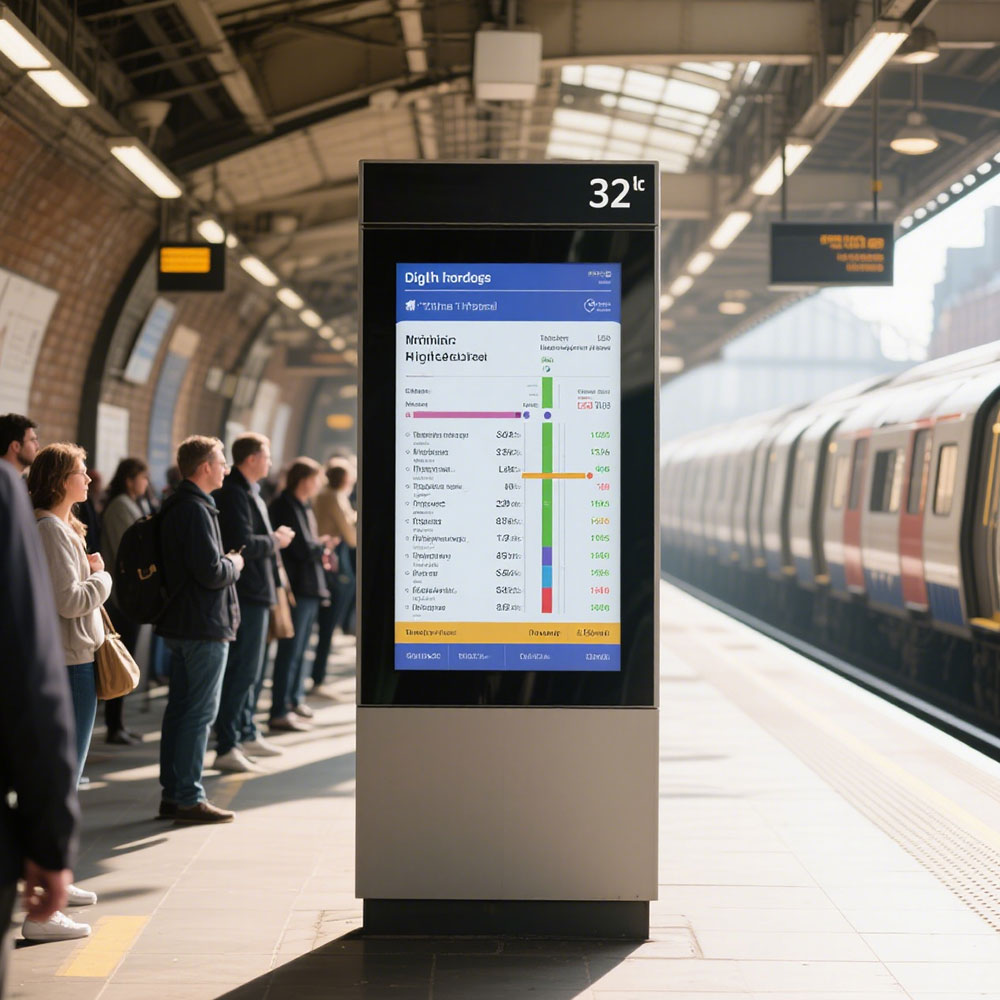
Moreover, the adaptability of 16:9 displays makes them suitable for embedded systems, medical imaging, automotive dashboards, and even AR/VR headsets. With rising demand for touch-enabled interfaces and smart integration via HDMI, USB-C, and DisplayPort, manufacturers continue to innovate in both hardware and software compatibility.
For businesses investing in display solutions, selecting the right size and aspect ratio ensures optimal user experience, operational efficiency, and return on investment. Whether deploying a single 15.6-inch laptop screen or a wall-mounted 75-inch video wall, understanding the 16:9 ratio’s versatility empowers smarter decision-making across sectors.