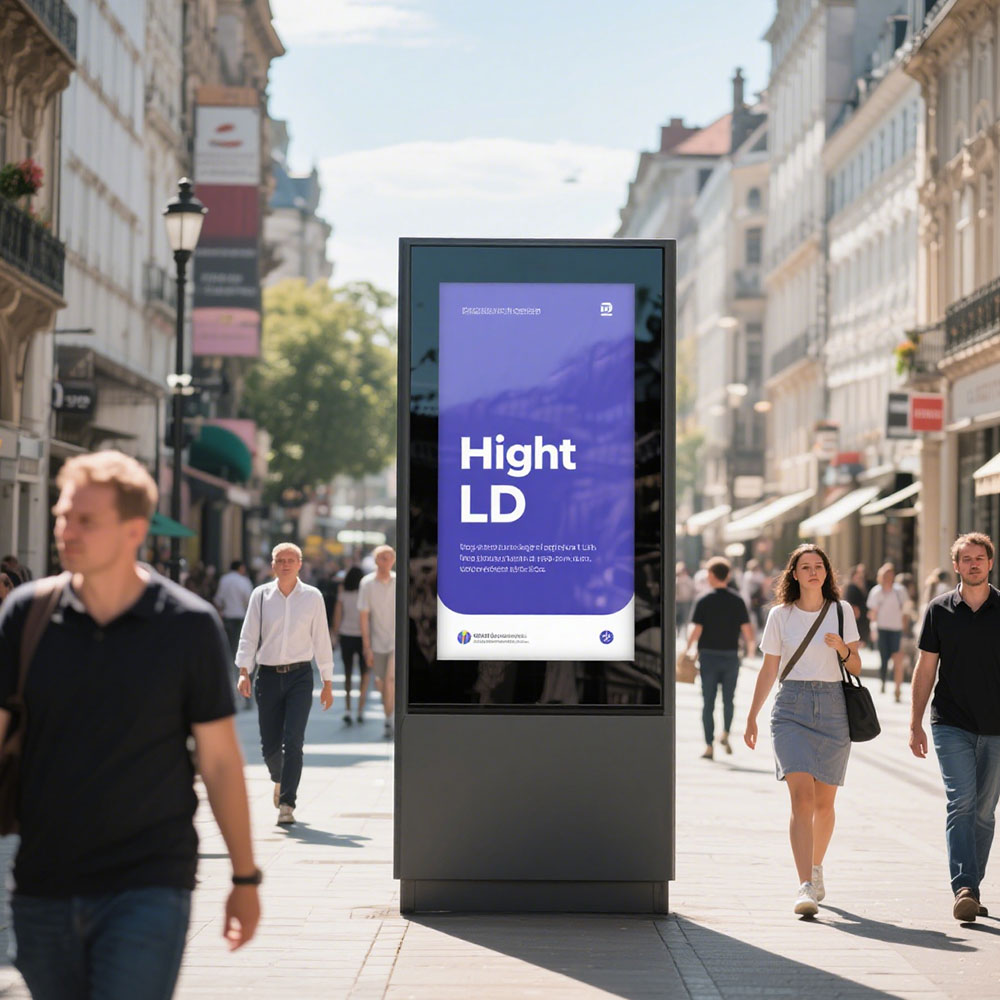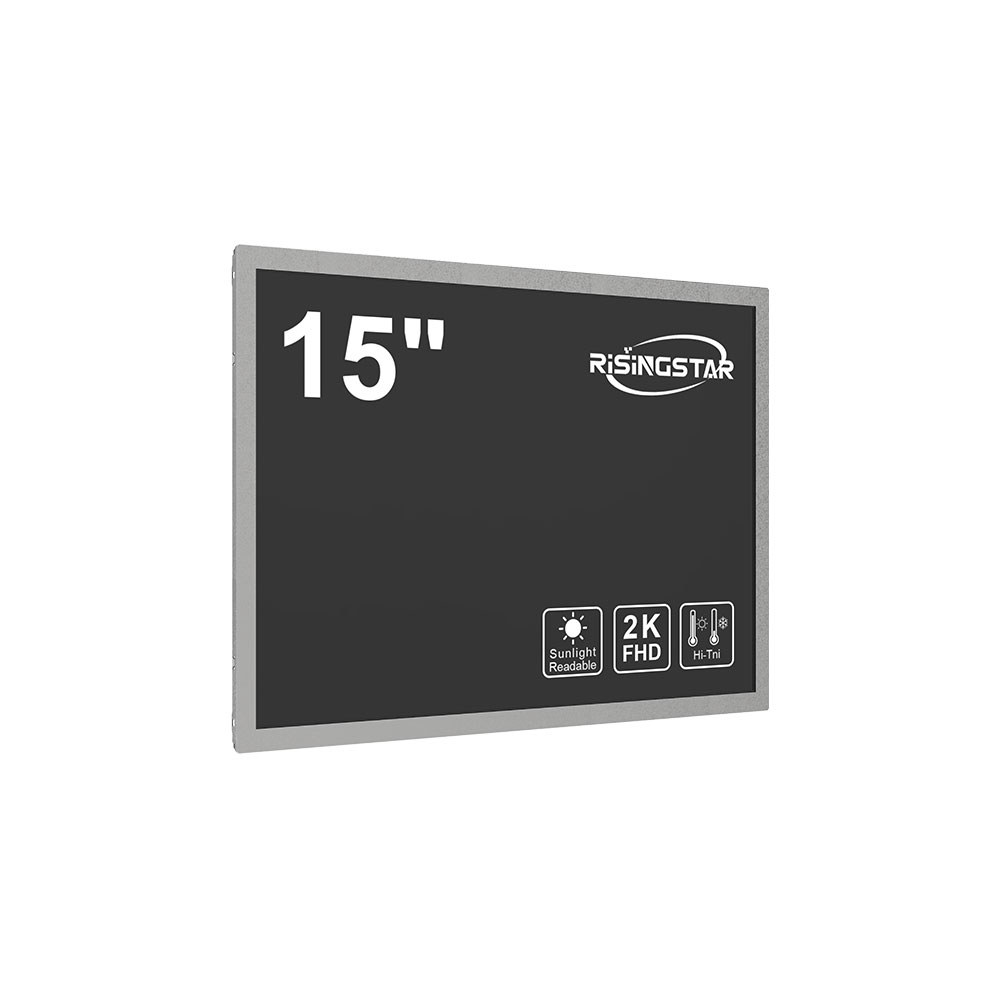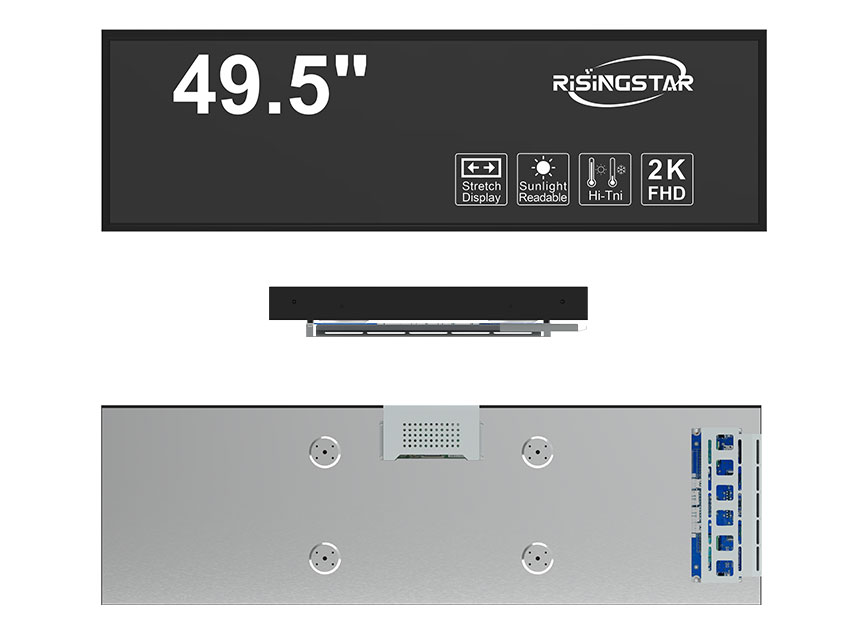
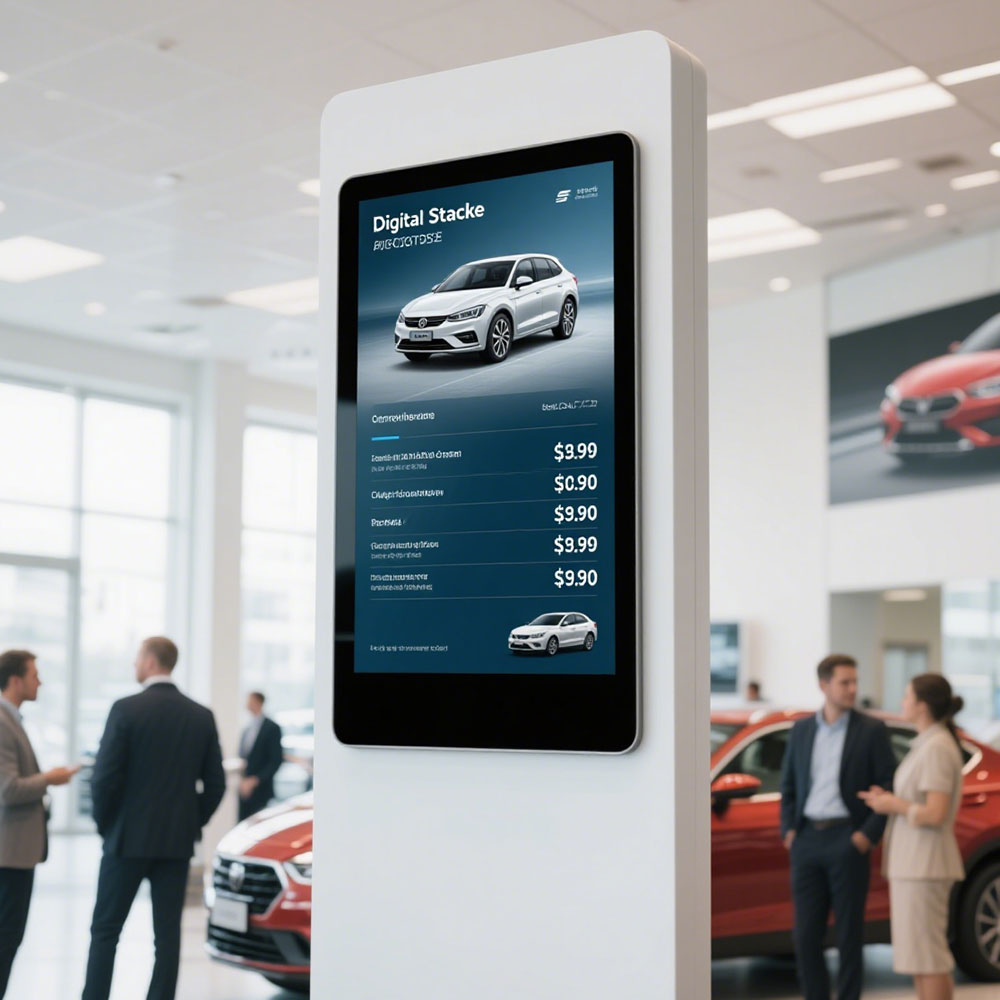
IP66 waterproof LCD displays are rapidly becoming a critical component in industrial automation, outdoor signage, medical devices, and transportation systems. Designed to meet the stringent Ingress Protection (IP) rating standards, IP66-rated displays offer complete protection against dust ingress (6) and powerful water jets from any direction (6), making them ideal for harsh environments where reliability and durability are non-negotiable.
The IP66 certification ensures that these displays can operate effectively even when exposed to heavy rain, high-pressure water washdowns, or humid conditions—common in manufacturing plants, food processing facilities, and marine applications. Unlike standard LCDs, which are vulnerable to moisture damage and internal condensation, IP66 displays use advanced sealing techniques such as gasketed enclosures, epoxy potting, and conformal coatings to protect sensitive electronics.
Leading manufacturers like LG, Sharp, and Innolux now offer IP66-rated LCD modules with enhanced brightness (up to 5000 nits for sunlight readability), wide operating temperature ranges (-30°C to +70°C), and optional ruggedized touchscreens (capacitive or resistive). For example, the LG G4211 series and the Innolux LQ101X1LG11 are widely adopted in automated kiosks and smart city infrastructure due to their robust performance under extreme weather conditions.
Moreover, IP66 compliance aligns with IEC 60529 standards, ensuring global compatibility and regulatory approval for use in EU, North America, and Asia-Pacific markets. Testing involves rigorous environmental simulations including dust chambers, water jet tests at 100 liters/min, and thermal cycling to validate long-term stability. These certifications are essential for industries seeking ISO 9001 and CE compliance.
In practical deployments, IP66 LCDs have demonstrated over 100,000 hours of mean time between failures (MTBF) in field tests conducted by Siemens and Bosch, outperforming non-IP66 alternatives by more than 3x in failure rate. Whether used in vehicle dashboards, agricultural machinery, or outdoor digital signage, these displays provide consistent visual clarity, minimal maintenance, and extended lifecycle—delivering real ROI for OEMs and end-users alike.