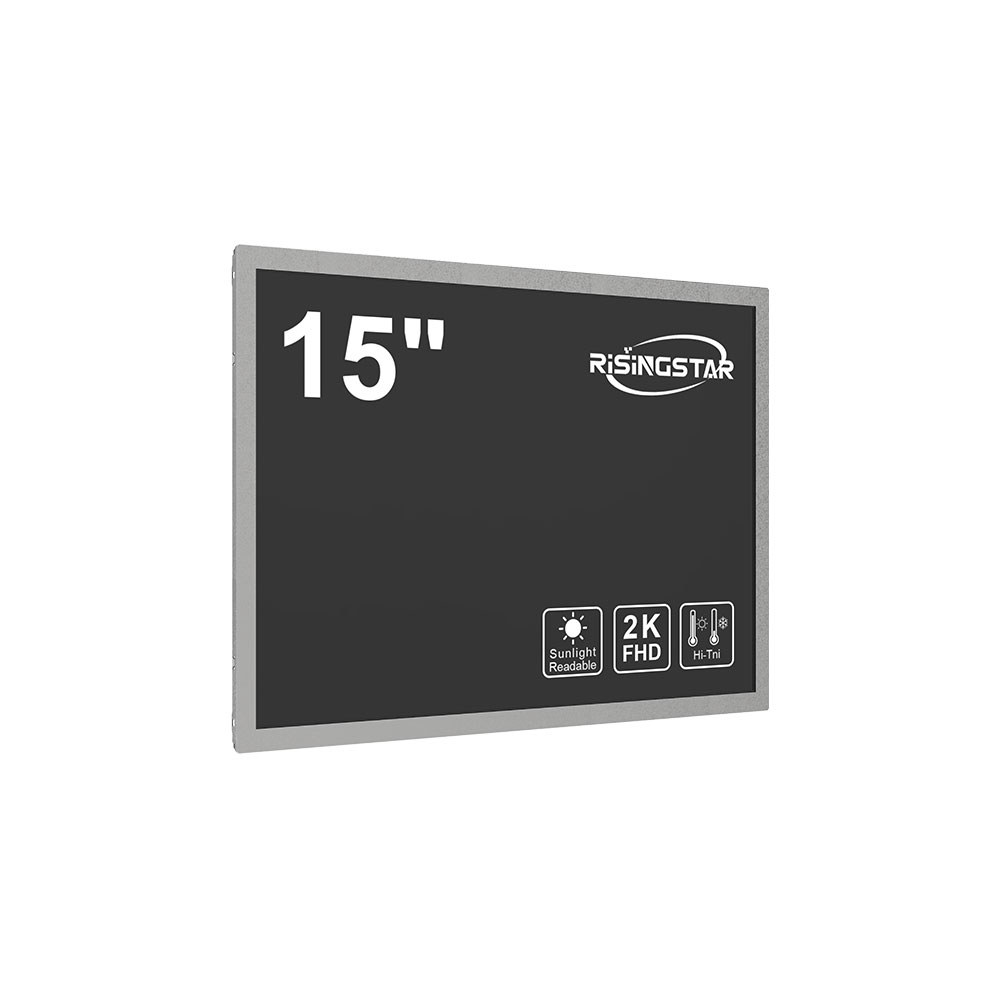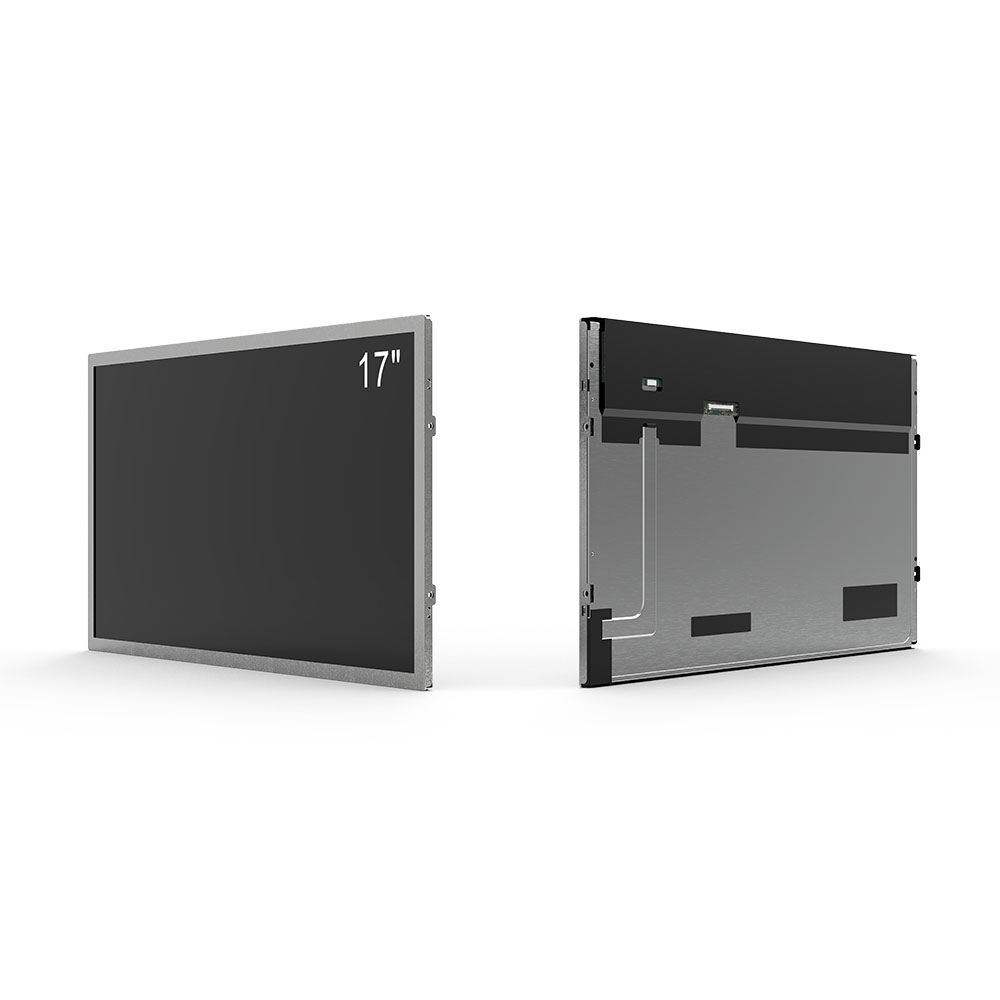
When selecting an LCD panel for industrial equipment applications—such as medical devices, automation systems, or ruggedized control panels—manufacturers and distributors must prioritize performance, reliability, and environmental resilience. Unlike consumer-grade displays, industrial LCDs operate in demanding conditions including extreme temperatures, high humidity, constant vibration, and prolonged usage cycles.
First, consider the display’s operating temperature range. Industrial-grade panels typically support -30°C to +70°C, ensuring stable performance in cold storage environments or hot manufacturing floors. For example, a 15.6-inch LCD panel from LG Display (model L156H1-L02) is rated for wide-temperature operation and has been validated in ISO 16750-3 environmental testing, making it suitable for automotive and industrial control use.
Second, assess brightness and viewing angles. A minimum of 250 cd/m² is essential for outdoor or brightly lit indoor settings, while IPS (In-Plane Switching) technology provides wider viewing angles (up to 178°), critical for multi-operator interfaces. Panels like the AU Optronics B156HAN04.0 offer 300 cd/m² brightness with IPS matrix design—ideal for machine control stations.
Third, evaluate durability and lifespan. Industrial LCDs should meet MIL-STD-810G standards for shock and vibration resistance. Look for LED-backlit panels with over 50,000 hours of MTBF (Mean Time Between Failures). For instance, Sharp’s 10.4-inch LVDS interface panel (model LQ104V1LW1) is designed for 100,000-hour operation under continuous duty cycles—a key factor for factory automation equipment.
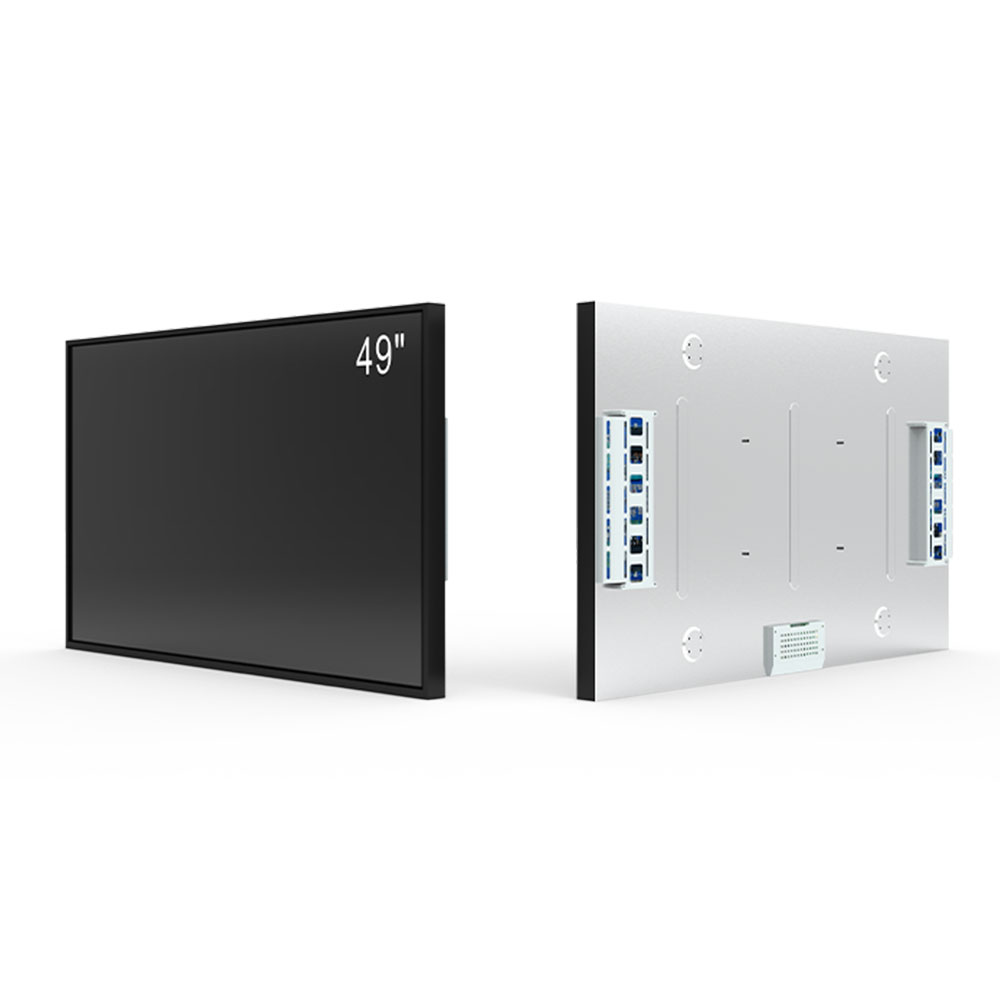
Fourth, consider connectivity and compatibility. Industrial-grade panels often support LVDS, MIPI DSI, or eDP interfaces, enabling seamless integration with embedded processors like NXP i.MX or Renesas RZ. This ensures efficient data transfer and minimal latency—vital for real-time monitoring systems.
Finally, ensure compliance with global certifications such as CE, FCC, RoHS, and IEC 60950-1. These validate safety, electromagnetic compatibility, and environmental compliance across international markets.
By focusing on these criteria—operating temperature, brightness, durability, interface compatibility, and certifications—equipment manufacturers can choose an LCD panel that delivers long-term reliability, reduces maintenance costs, and meets global regulatory requirements. This approach not only enhances product quality but also strengthens brand trust among overseas buyers.