In the evolving landscape of display technology, the 4:3 aspect ratio remains a vital standard—especially in industrial, medical, and legacy computing applications where vertical space and compatibility with older software are critical. Unlike modern widescreen formats like 16:9 or 21:9, the 4:3 ratio offers a more balanced screen layout that closely matches traditional document formatting, spreadsheets, and CAD drawings. Among the most commonly used sizes in this category are 15-inch, 17-inch, and 19-inch LCD monitors, each offering unique advantages depending on the use case.
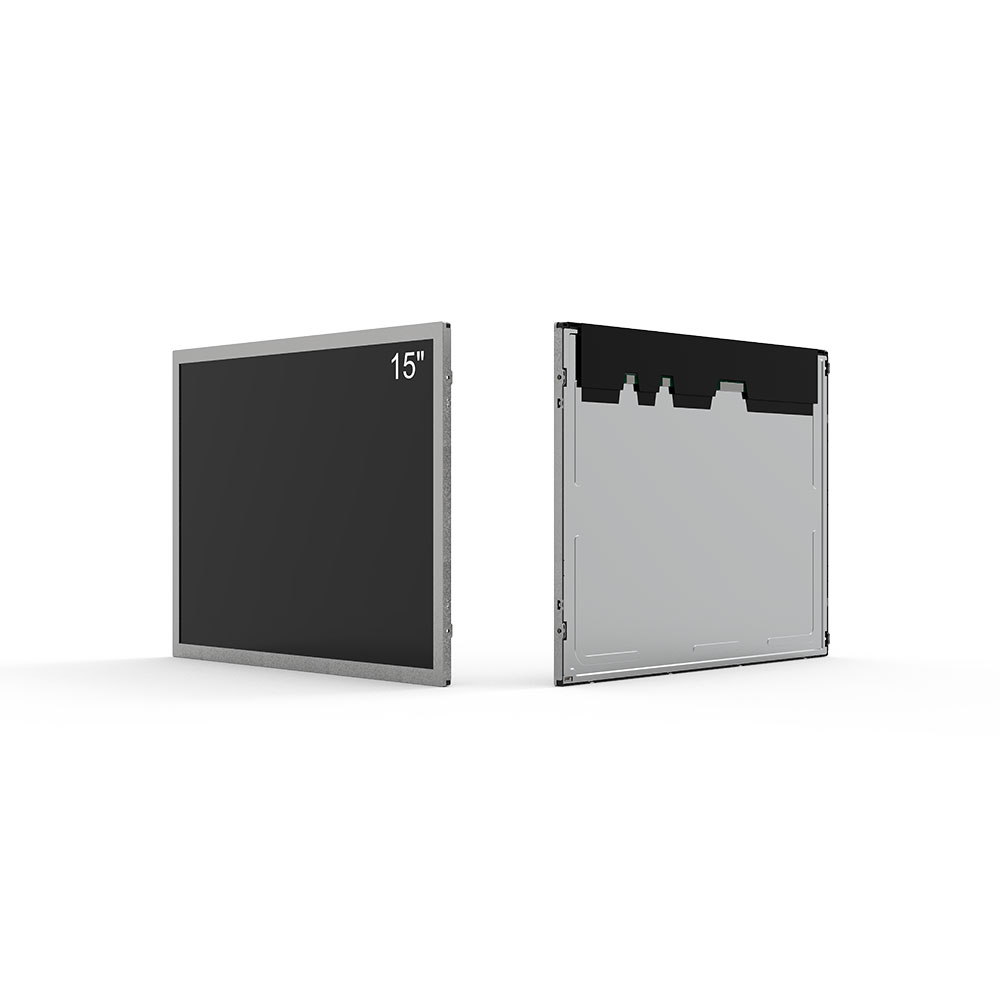
A 15-inch 4:3 LCD monitor typically provides a resolution of 1024×768 (XGA), making it ideal for compact workstations, embedded systems, or environments where desk space is limited. These displays are often found in point-of-sale (POS) terminals, kiosks, and factory automation equipment due to their reliable performance and cost-effectiveness. The 15-inch size also ensures excellent portability while maintaining readability for text-based tasks—a key factor for field technicians or mobile professionals.
The 17-inch 4:3 model, often featuring a resolution of 1280×1024 (SXGA), delivers increased screen real estate without sacrificing the familiar 4:3 geometry. This makes it particularly popular in medical imaging devices such as ultrasound machines or patient monitoring systems, where consistent pixel mapping and precise vertical alignment matter. Additionally, many industrial control panels still rely on 17-inch 4:3 displays for machine interface panels because they support legacy software that was originally designed for these dimensions.
For users requiring higher resolution and larger viewing areas, the 19-inch 4:3 LCD (often 1400×1050 or WXGA+) becomes a compelling option. Though less common than 16:9 variants, this size is frequently chosen in specialized sectors like financial trading floors, air traffic control, and military command centers. The wider vertical dimension allows for multiple windows or data rows to be displayed simultaneously—critical in time-sensitive environments where minimizing context switching improves operational efficiency.
From an engineering perspective, all three sizes benefit from improved contrast ratios, better LED backlighting, and enhanced color accuracy compared to older CRT monitors. Modern 4:3 LCDs also incorporate features like wide viewing angles (up to 170°), response times under 5ms, and built-in brightness sensors for adaptive lighting. When selecting between 15", 17", and 19" options, users should consider factors such as intended application, available workspace, power consumption, and compatibility with existing hardware or software ecosystems.
Industry reports from Display Supply Chain Consultants (DSCC) and IDC confirm that while consumer demand for 4:3 displays has declined, there remains strong enterprise adoption in niche markets. According to a 2023 survey by Frost & Sullivan, over 68% of industrial manufacturers prefer 4:3 screens for control interfaces due to reduced user training costs and fewer errors during operation. Furthermore, ISO standards like ISO 9241-3 emphasize ergonomic display design principles that align well with the 4:3 format’s balance of horizontal and vertical clarity.
In conclusion, choosing the right 4:3 LCD size—whether 15", 17", or 19"—is not just about physical dimensions but about matching display characteristics to specific workflow requirements. Whether deploying in a hospital, manufacturing plant, or government facility, these monitors offer proven reliability, optimized usability, and enduring relevance in professional environments.