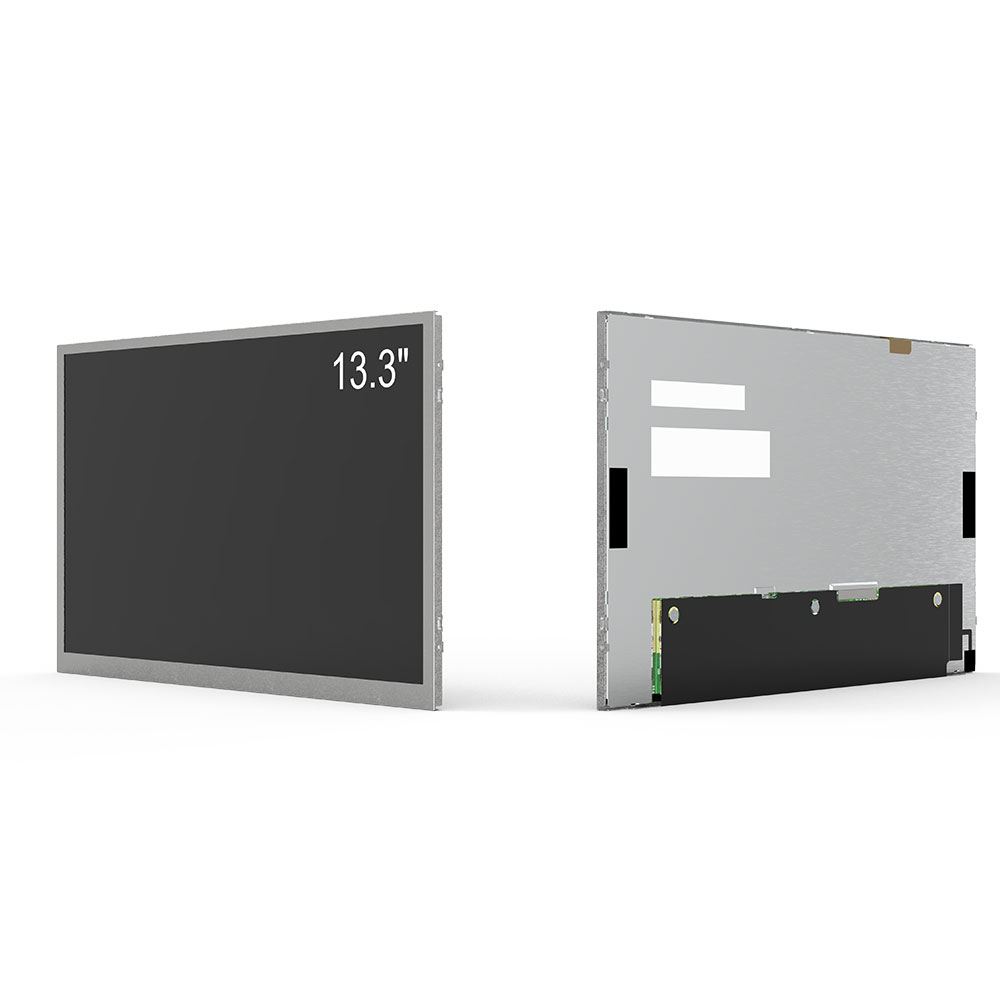
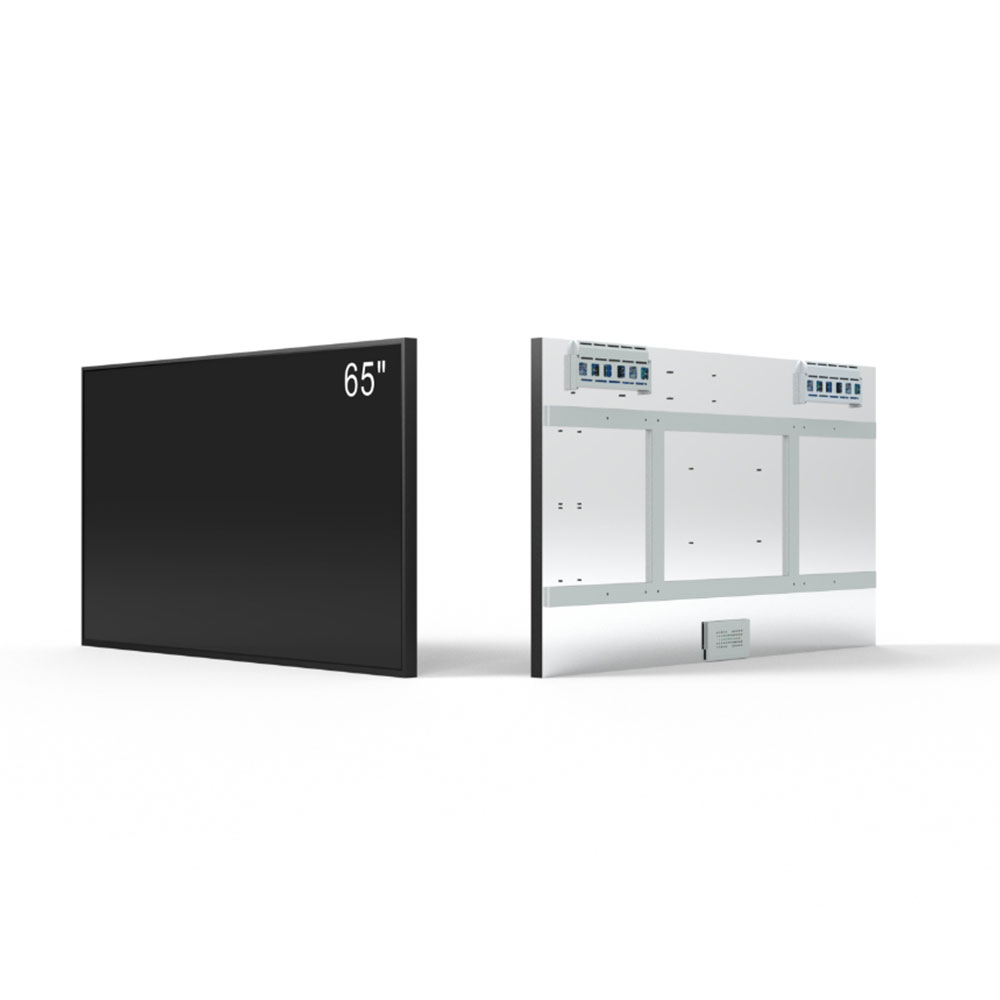
LCD (Liquid Crystal Display) technology remains a cornerstone of modern visual interfaces, powering everything from smartphones and televisions to automotive dashboards and industrial monitors. The manufacturing process for LCD panels is a complex blend of precision engineering, chemical processing, and rigorous quality assurance protocols. At the heart of LCD production lies the thin-film transistor (TFT) array, which controls individual pixels through precise voltage application. This process begins with glass substrate cleaning—critical to ensure no particulate contamination affects pixel uniformity. Next, photolithography is used to pattern the TFT layers, followed by etching and deposition steps that build the active matrix structure.
Once the backplane is complete, color filters are applied using a red-green-blue (RGB) subpixel layout, often integrated via dye or pigment-based methods. The liquid crystal layer is then sandwiched between two polarizing films, and the entire assembly is sealed under vacuum to prevent air bubbles or moisture ingress—a step governed by IPC-9850 standards for hermetic sealing. In high-end displays like those used in medical imaging or aerospace, manufacturers apply additional testing such as MIL-STD-810G environmental stress tests for temperature cycling, humidity resistance, and vibration tolerance.
Quality control in LCD manufacturing involves automated optical inspection (AOI), where machine vision systems detect defects like dark spots, line faults, or misaligned pixels at speeds exceeding 100 meters per minute. Statistical Process Control (SPC) is also employed to monitor yield rates across production lines, with tools like control charts helping engineers identify deviations before they impact batch output. Leading companies such as Samsung Display, LG Display, and BOE Technology have adopted AI-driven defect classification models that reduce false positives by over 40% compared to traditional threshold-based methods.
Environmental sustainability is increasingly influencing LCD design, with newer panels featuring mercury-free backlight units and reduced power consumption through adaptive brightness algorithms. According to a 2023 IEC report, OLEDs may be gaining ground, but LCDs still dominate over 70% of the global display market due to cost efficiency, longevity, and compatibility with legacy systems. For professionals in electronics manufacturing, understanding these processes—not just their execution but their optimization—is essential to maintaining competitiveness in a rapidly evolving industry.