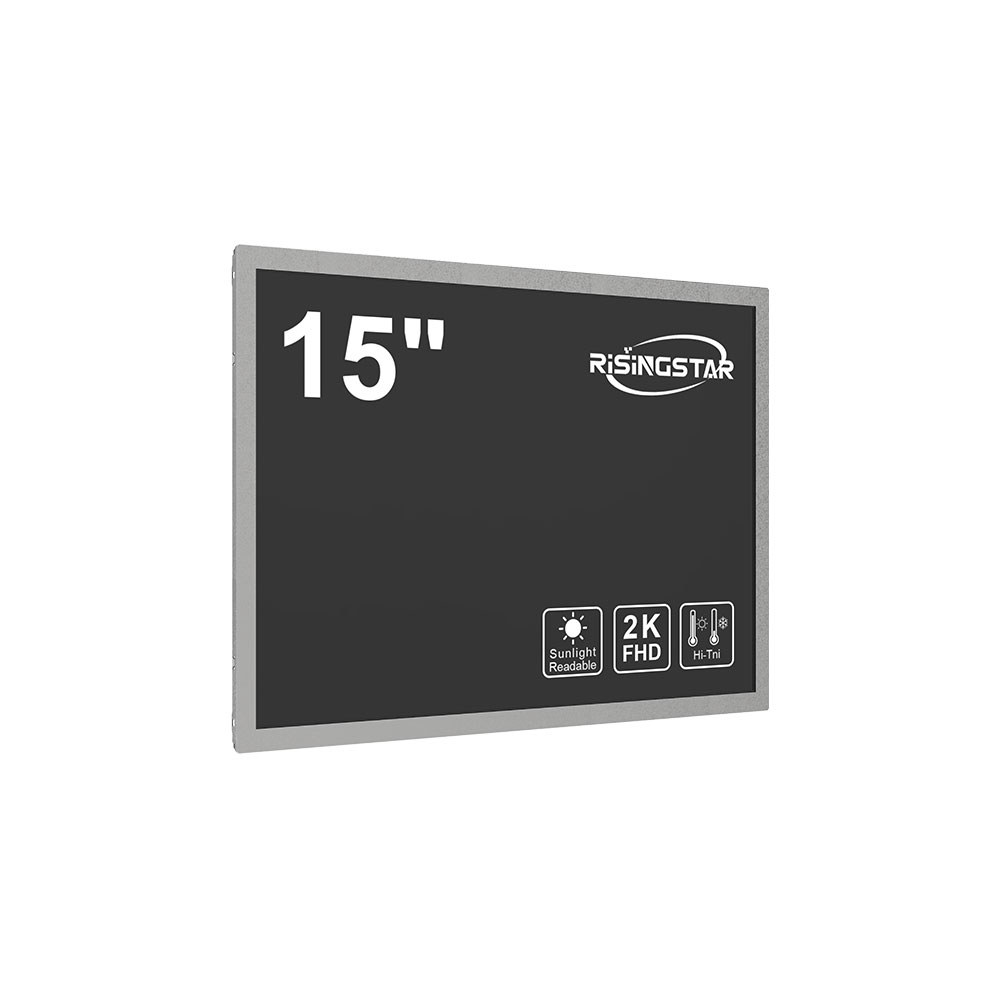
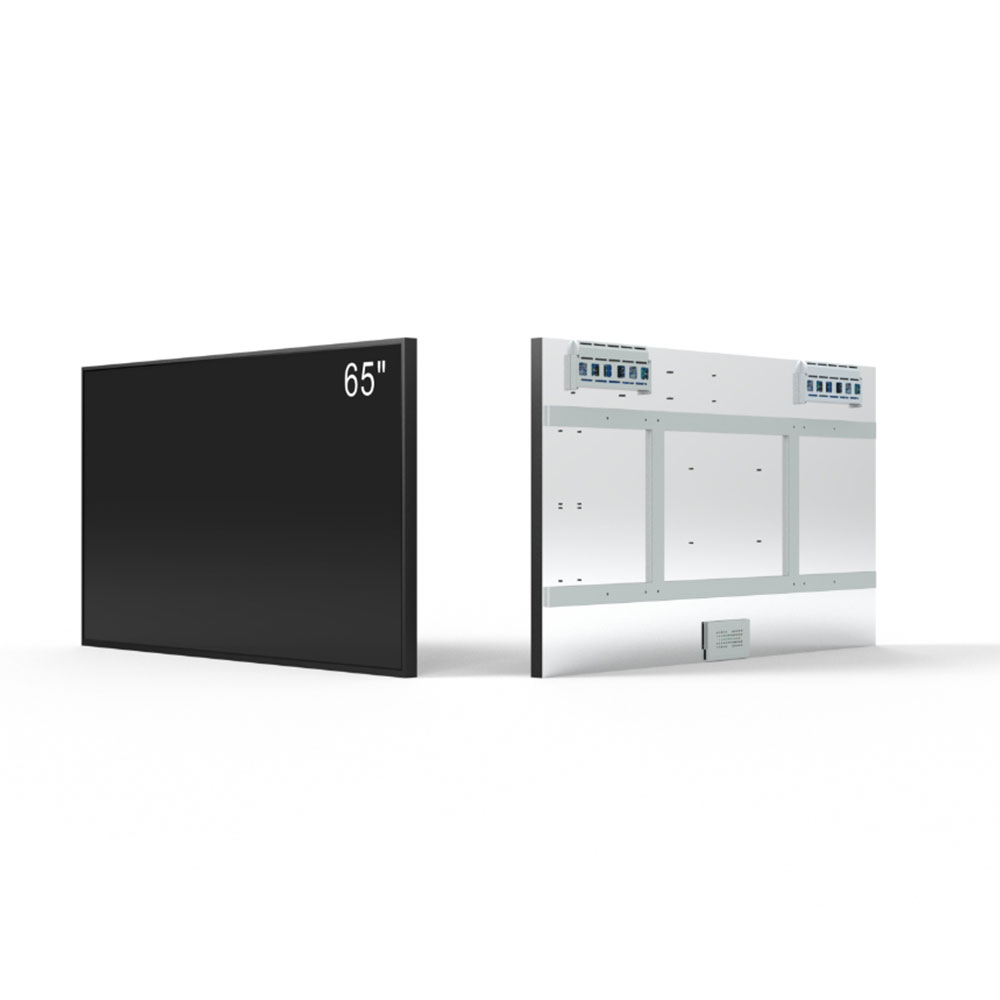
In today’s rapidly evolving industrial and outdoor technology landscape, reliable performance under harsh environmental conditions is no longer optional—it’s essential. One of the most critical specifications for displays used in such environments is the IP66 waterproof rating. This standard, defined by the International Electrotechnical Commission (IEC), ensures that an LCD display is both dust-tight (6) and protected against powerful water jets (6), making it ideal for applications ranging from construction machinery to marine navigation systems.
IP66-rated LCDs are engineered with robust sealing mechanisms—such as silicone gaskets, epoxy potting, and sealed front glass—to prevent ingress of dust particles and high-pressure water spray. Unlike lower-rated displays (e.g., IP54), which may fail under heavy rain or cleaning pressure, IP66 units maintain consistent image quality, touch responsiveness, and operational stability even when exposed to extreme weather or frequent washdowns.
These displays are widely used in sectors including automotive manufacturing, food processing plants, oil & gas facilities, and military equipment. For example, in food production lines, where hygiene standards demand regular sanitization with high-pressure water jets, IP66 LCDs ensure uninterrupted monitoring without risk of short-circuiting or degradation. Similarly, in outdoor kiosks or public transportation systems, they resist humidity, condensation, and sudden downpours—common issues in urban environments.
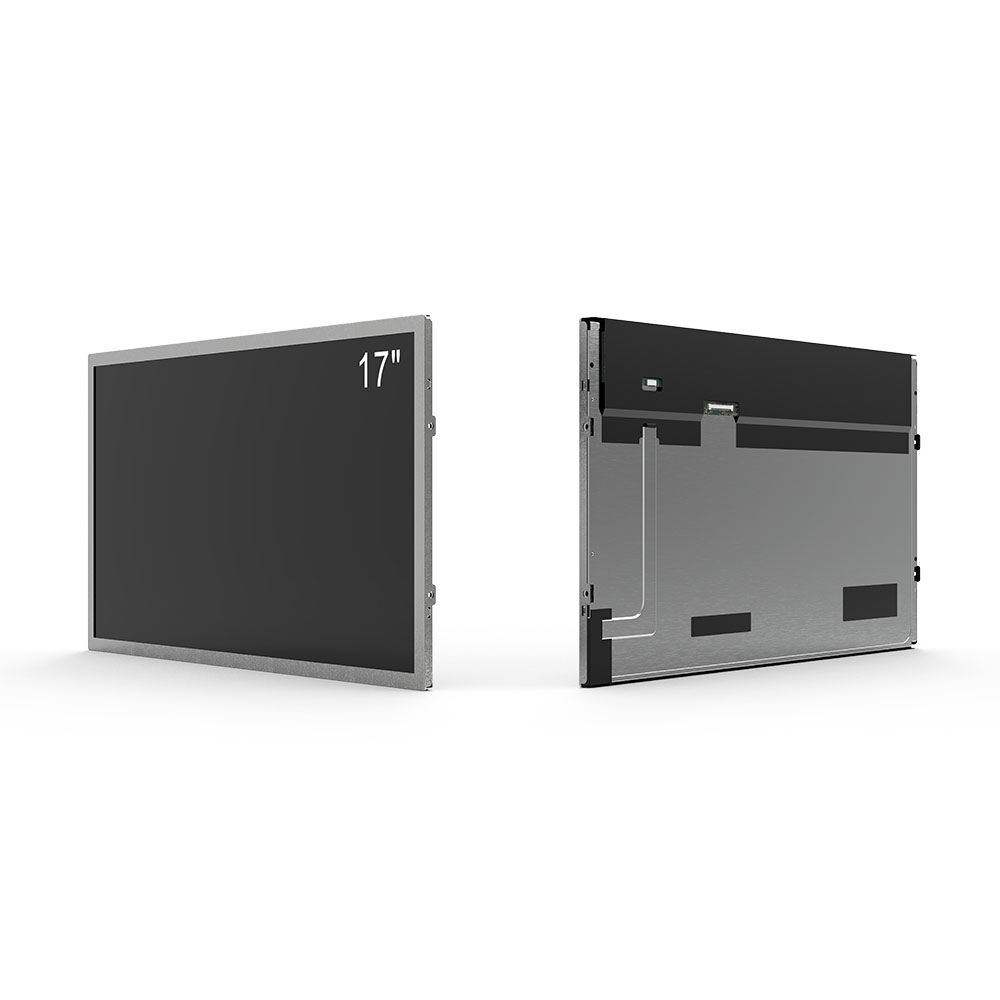
Manufacturers like LG, Sharp, and AU Optronics now offer commercial-grade IP66 LCD panels with wide temperature ranges (-20°C to +70°C), anti-glare coatings, and ruggedized housings. Some models also integrate LED backlighting with thermal management systems to prevent overheating in enclosed spaces—a common issue in industrial settings. Third-party testing by UL and CE confirms compliance with IEC 60529 standards, giving end-users confidence in long-term durability.
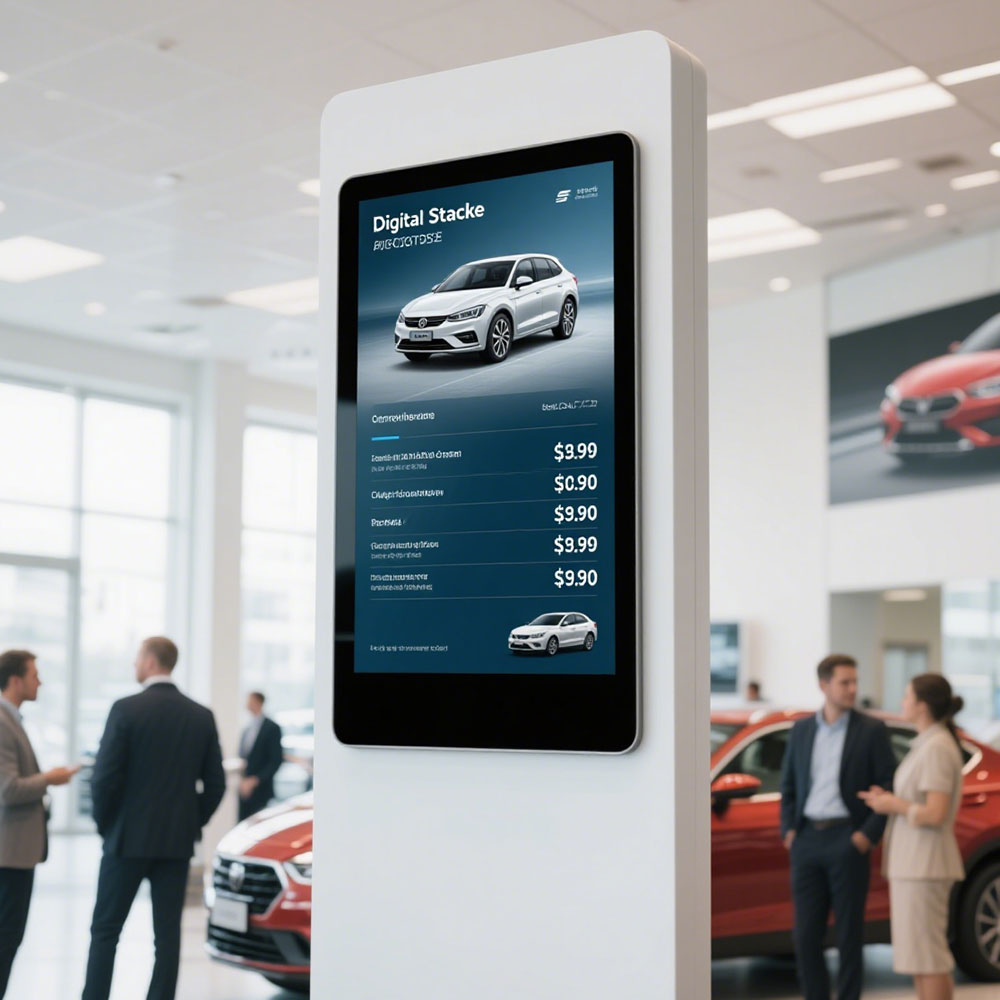
When selecting an IP66 display, consider not only the waterproof rating but also brightness (typically >1000 nits), viewing angles (>170°), and compatibility with touch technologies like capacitive or resistive touchscreens. Many modern IP66 solutions support multi-touch functionality, enhancing usability in interactive installations.
For engineers, integrators, and procurement managers, choosing an IP66-certified LCD is a strategic investment in reliability, safety, and reduced maintenance costs over time. As industries continue to digitize operations in challenging environments, IP66 waterproof LCDs stand out as indispensable components in smart infrastructure, automation, and IoT deployments.