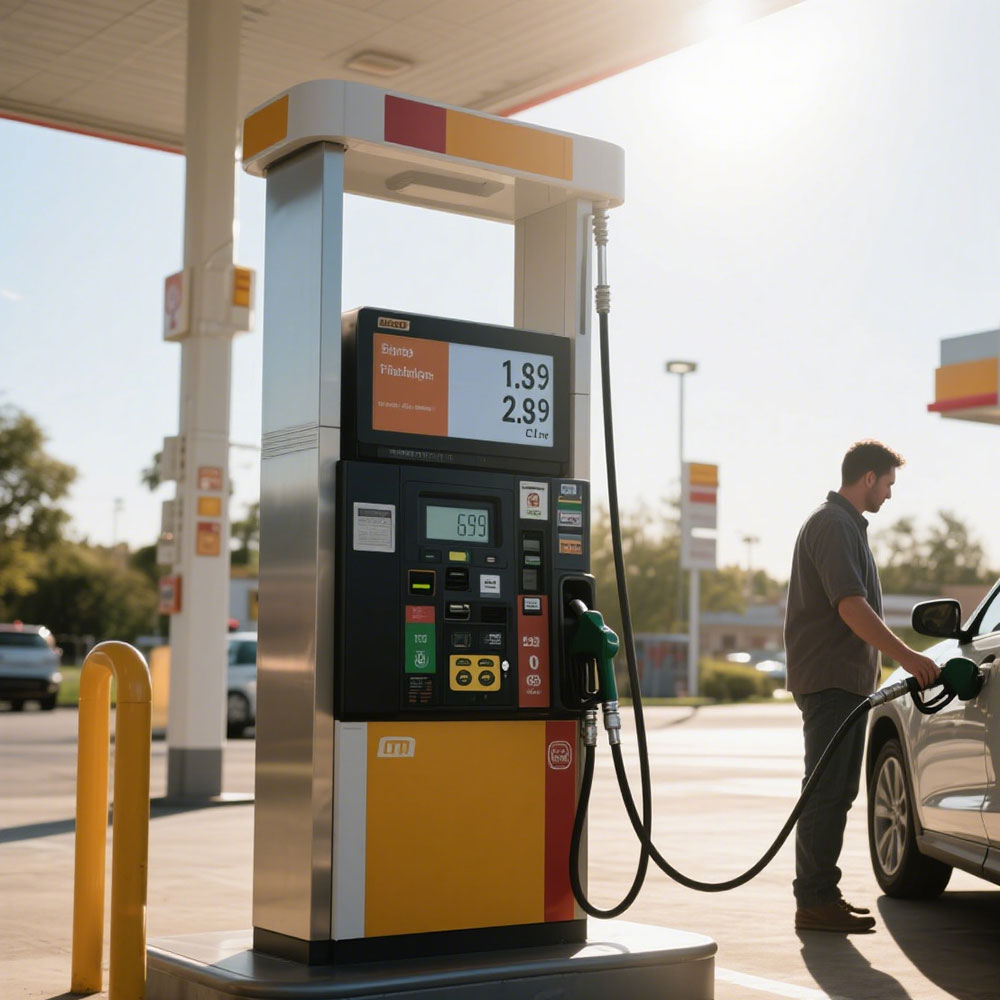
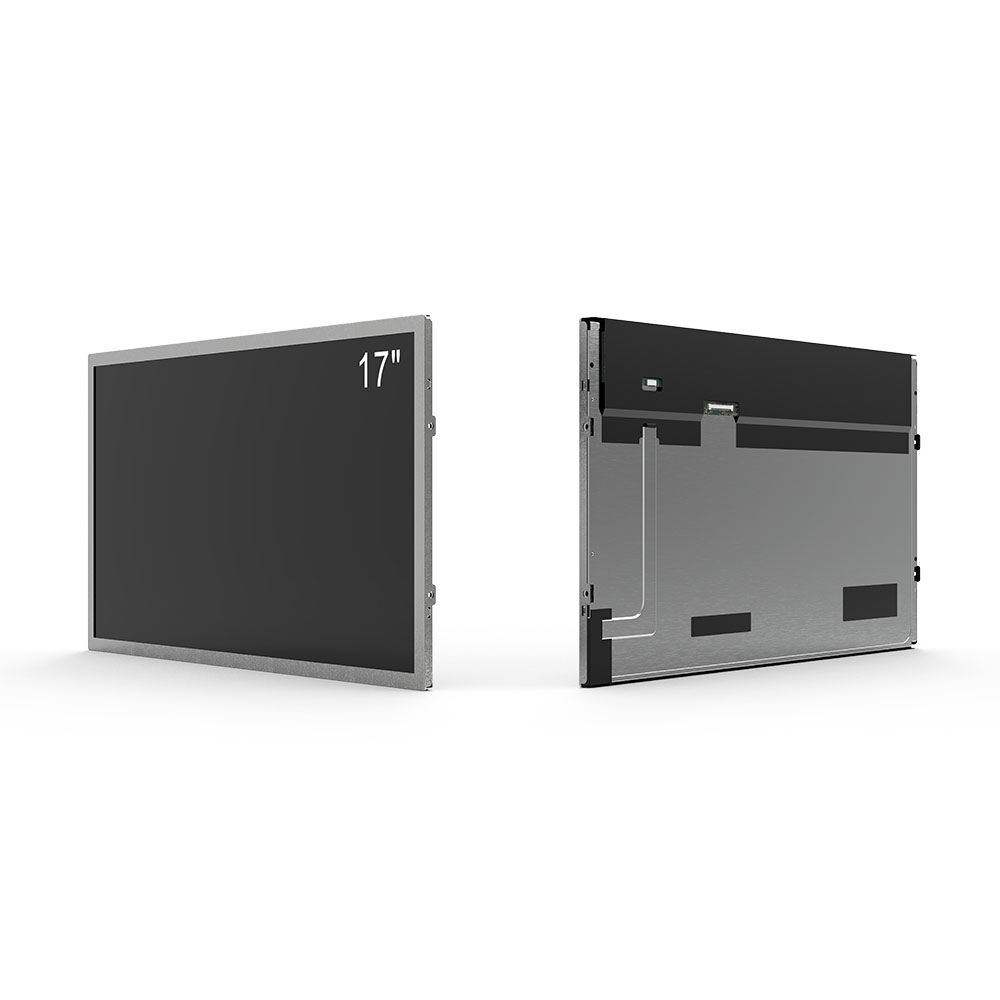
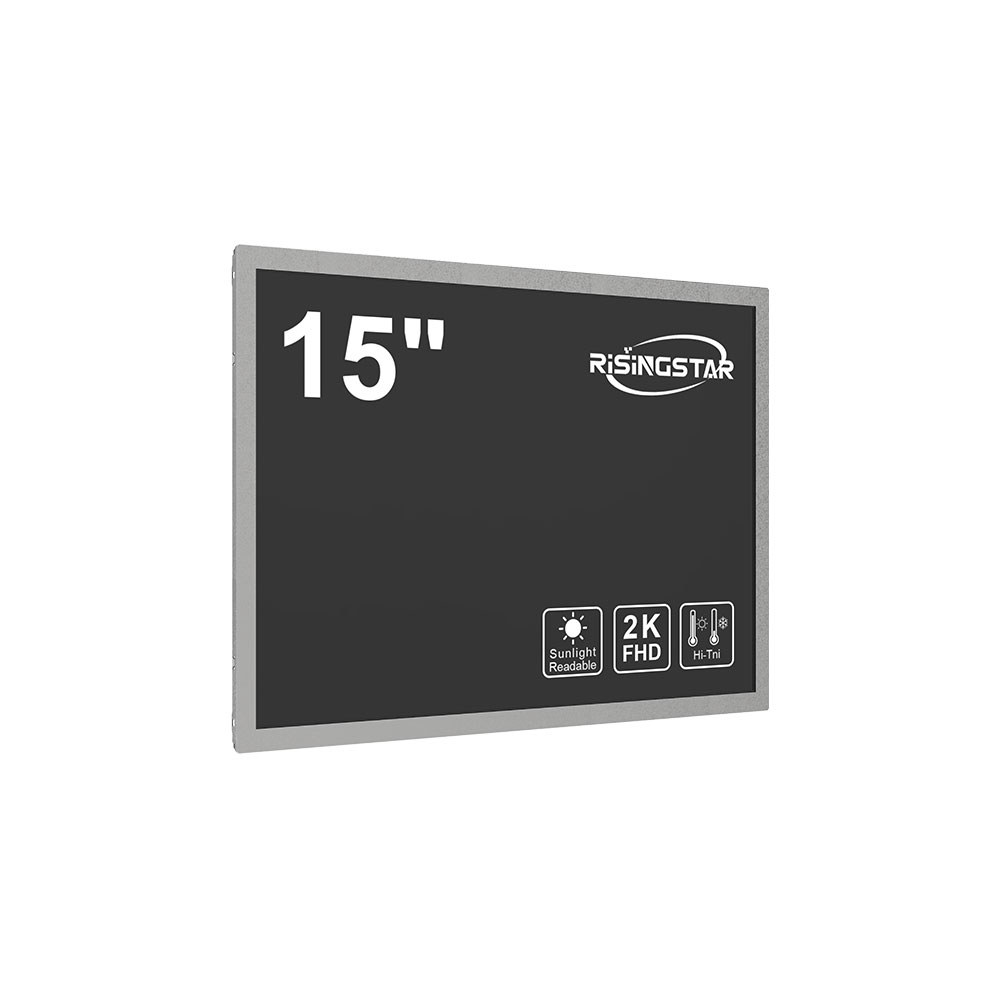
In the heart of England, Nottingham has emerged as a dynamic hub for outdoor digital signage innovation. As urban environments become smarter and more connected, businesses and municipalities in Nottingham are increasingly turning to high-impact digital displays to communicate with pedestrians, drivers, and visitors. Whether it's for retail promotions, public safety alerts, or transit information, outdoor digital signage in Nottingham is transforming how cities engage with their audiences.
The city’s unique blend of historic architecture and modern infrastructure creates ideal conditions for deploying weather-resistant, high-brightness screens that function reliably in all seasons. From the bustling streets of the Lace Market to the scenic footpaths near the River Trent, digital signage units must meet stringent performance standards. Leading manufacturers such as LG, Samsung, and NEC supply ruggedized LED and LCD panels specifically designed for outdoor use—many rated IP65 or higher for dust and water resistance, with brightness levels exceeding 5,000 nits to combat sunlight glare.
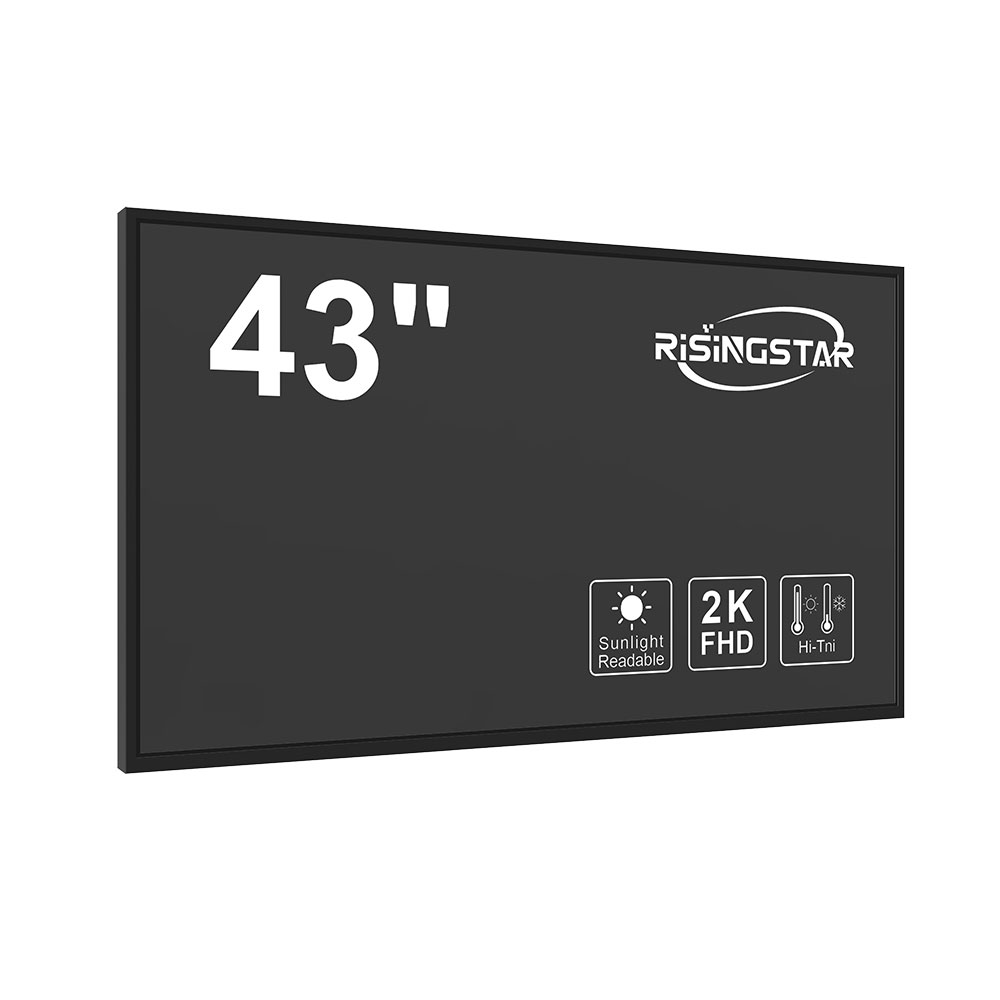
Nottingham City Council has adopted digital signage for real-time bus arrival updates and emergency messaging during extreme weather events—a strategy aligned with the UK’s Smart Cities initiative. Retailers like Boots and HMV have installed interactive kiosks on Nottingham’s High Street, allowing customers to browse product catalogs, check stock, and even place orders via touchscreen interfaces. These installations not only enhance customer experience but also provide valuable data analytics through built-in sensors and cloud-based management systems.
Environmental testing plays a crucial role in deployment planning. The UK’s Met Office provides detailed climate data for Nottingham, helping installers choose the right display technology based on temperature extremes (-10°C to +45°C), humidity levels (up to 95%), and UV exposure. Additionally, energy efficiency is paramount—many installations now use solar-powered backlights or low-power OLED modules to reduce carbon footprint while maintaining visibility.
Case studies from local universities such as the University of Nottingham show that well-placed digital signage increases foot traffic by up to 27% in commercial zones. A recent project at the Nottingham Playhouse used dynamic content scheduling to boost ticket sales by promoting evening shows during peak commute hours—an approach now being replicated across the East Midlands region.
For businesses considering investment in outdoor digital signage, partnering with certified integrators like Digital Display Solutions Ltd and Nottingham-based Signage Works ensures compliance with UK regulations, including the Health and Safety Executive (HSE) guidelines for public displays. With growing demand for real-time, targeted communication in both public and private sectors, outdoor digital signage in Nottingham is no longer a luxury—it’s an essential tool for engagement, safety, and economic growth.