In today’s digital landscape, LCD monitors are ubiquitous across industries—from consumer electronics and office environments to industrial control systems and digital signage. One of the most critical specifications when selecting an LCD monitor is its display ratio, with the 16:9 aspect ratio dominating the market due to its compatibility with modern video standards, including Full HD (1080p), 4K UHD, and beyond.
The 16:9 format offers a wide, cinematic viewing experience ideal for both productivity and entertainment. Whether you're working on spreadsheets, watching movies, or managing multi-display setups, this aspect ratio ensures optimal use of screen real estate without unnecessary black bars.

Common LCD monitor sizes that follow the 16:9 ratio include:
- 10.1”: Ideal for portable devices like tablets and embedded systems
- 13.3”: Popular in laptops and ultrabooks
- 15.6”: Standard for budget-friendly laptops and desktop replacements
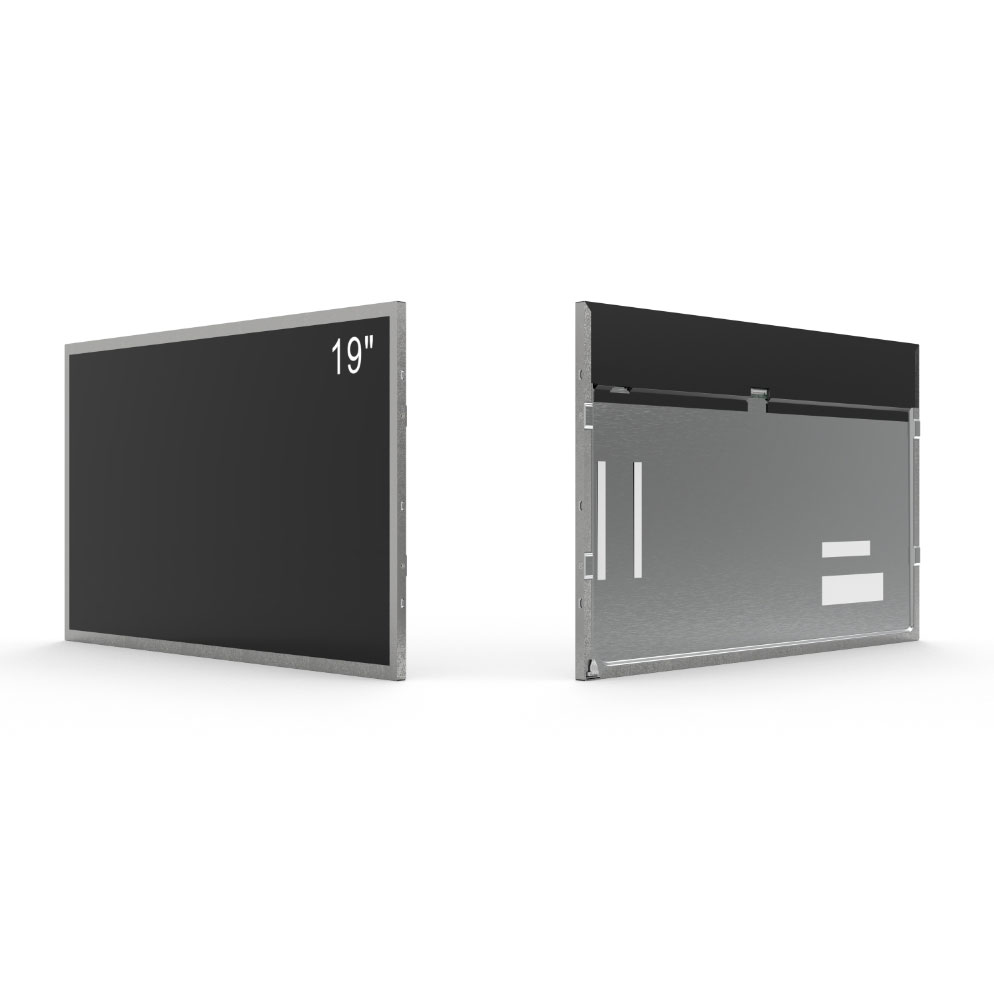
- 18.5”, 21.5”, 23.8”: Common in entry-level to mid-range desktop monitors
- 27”: The sweet spot for productivity, offering ample workspace for multitasking
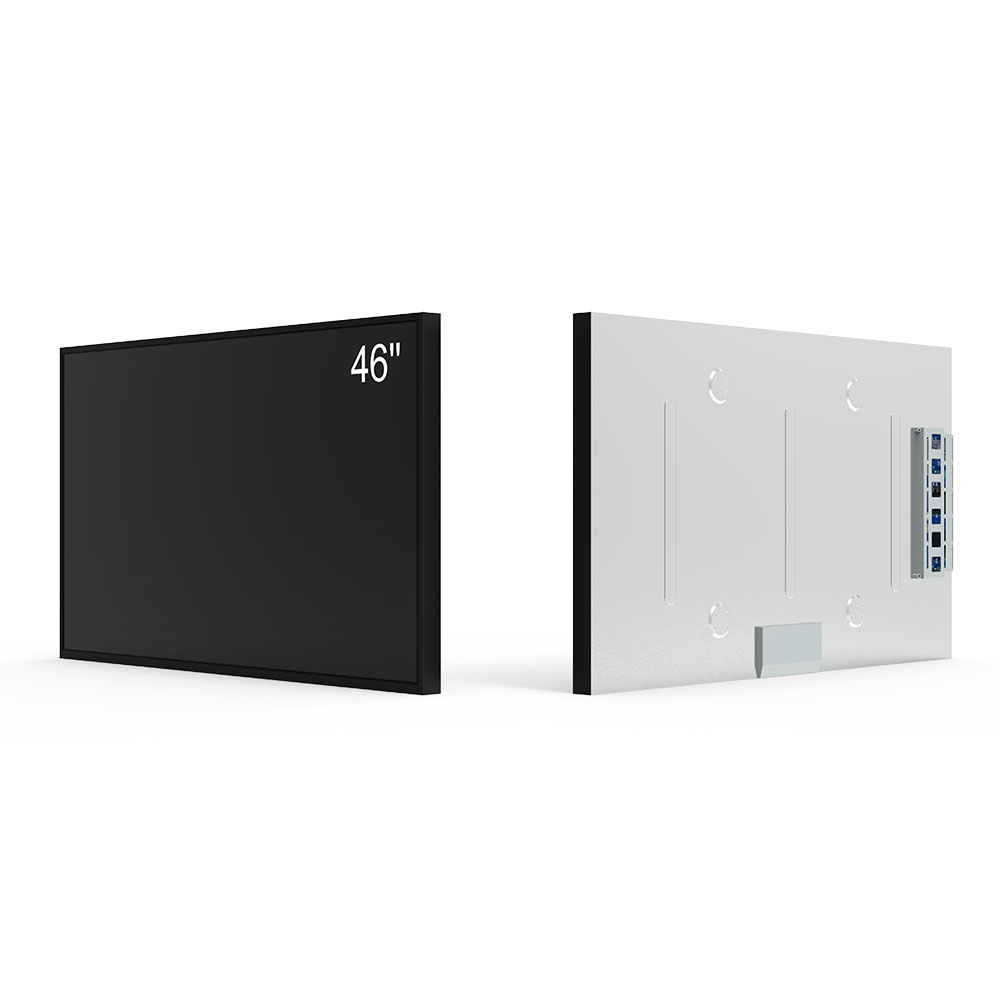
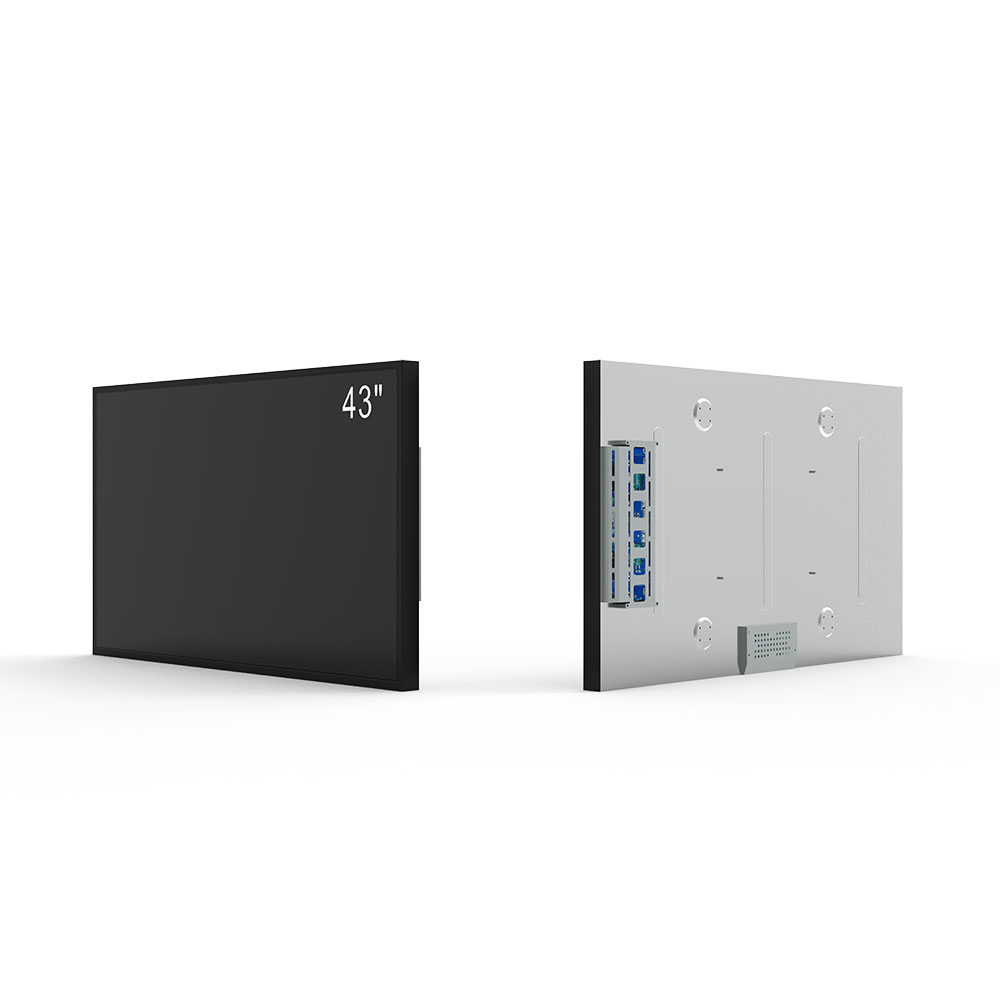
- 32”, 43”, 46”, 49”: Increasingly popular for home theaters and high-end office setups
- 55”, 65”, 75”, 86”, 98”, 110”: Used primarily in commercial displays, digital signage, and large-format installations
Each size serves distinct use cases:
- 10.1”–23.8”: Best for personal use, education, and small offices
- 27”–49”: Perfect for professionals needing clarity and comfort—graphic designers, programmers, and content creators
- 55” and above: Suited for retail, hospitality, public information systems, and immersive presentations
Manufacturers such as LG, Dell, Lenovo, and ASUS have standardized production around 16:9, aligning with HDMI 2.0, DisplayPort, and USB-C standards. This ensures seamless integration with gaming consoles, workstations, and streaming devices. Moreover, energy-efficient LED-backlit panels dominate this space, offering better contrast ratios and lower power consumption than older CCFL models.
When choosing a monitor, consider not only size but also resolution (e.g., 1920x1080, 2560x1440, or 3840x2160) and pixel density (PPI). For instance, a 27” 16:9 1440p display provides sharper visuals than a 27” 1080p model—critical for detailed work.
Environmental durability matters too. Industrial-grade LCDs (e.g., those tested under MIL-STD-810G) are built for harsh conditions, often used in manufacturing floors or outdoor kiosks. These units maintain consistent performance even in extreme temperatures and humidity.
Ultimately, the 16:9 LCD monitor remains the gold standard—not just for its visual appeal but for its versatility across sectors. Whether your need is for a compact 10.1” touchscreen or a massive 110” interactive display, the 16:9 ratio ensures future-proof functionality and broad compatibility.