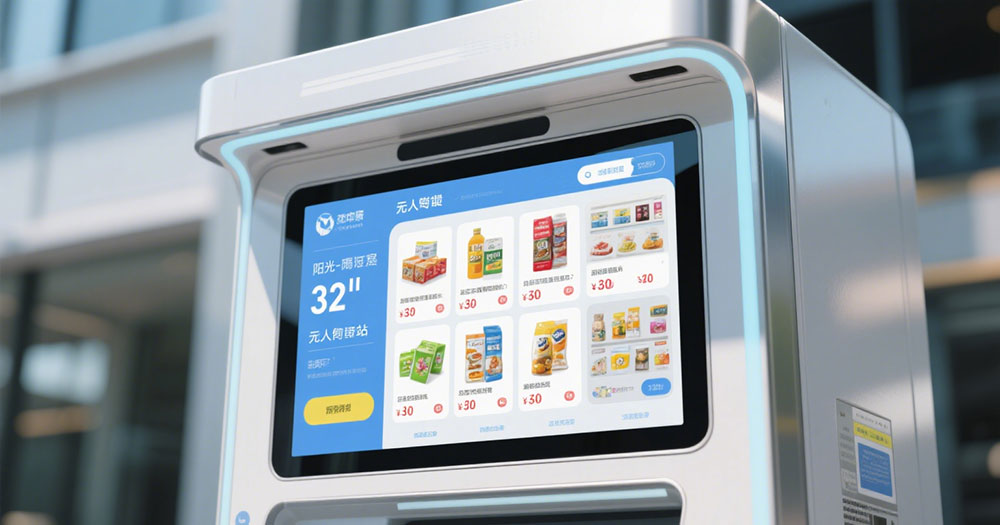
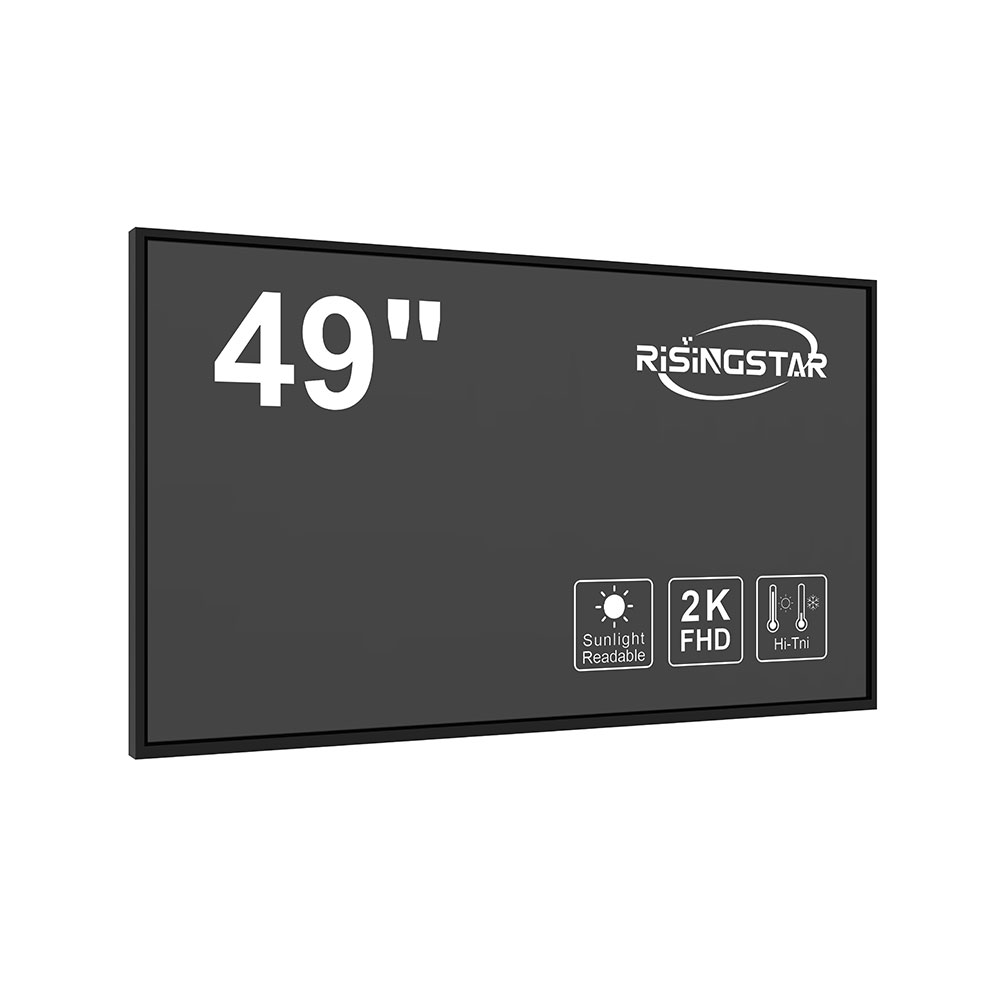
When selecting an LCD panel for industrial applications, it's essential to prioritize factors such as brightness, contrast ratio, viewing angles, and environmental resilience. Unlike consumer-grade displays, industrial panels must operate reliably in harsh conditions—such as extreme temperatures, high humidity, or vibration—making material quality and design robustness critical. For example, TN (Twisted Nematic) panels are cost-effective but offer limited viewing angles and slower response times, which may not suit dynamic control interfaces. In contrast, IPS (In-Plane Switching) panels provide superior color accuracy and wide viewing angles, making them ideal for medical devices, automation systems, and outdoor kiosks.
Another key consideration is luminance. Industrial environments often require panels with at least 1000 nits of brightness to remain visible under direct sunlight—a feature commonly found in LED-backlit panels designed for rugged use. Additionally, certifications like IP65 (dust and water resistance) and MIL-STD-810G (shock and vibration testing) should be verified before deployment. According to a 2023 report by Market Research Future, over 62% of industrial LCD purchases now prioritize energy efficiency and long-term reliability, indicating a shift toward OLED and mini-LED technologies even in demanding sectors like aerospace and manufacturing.
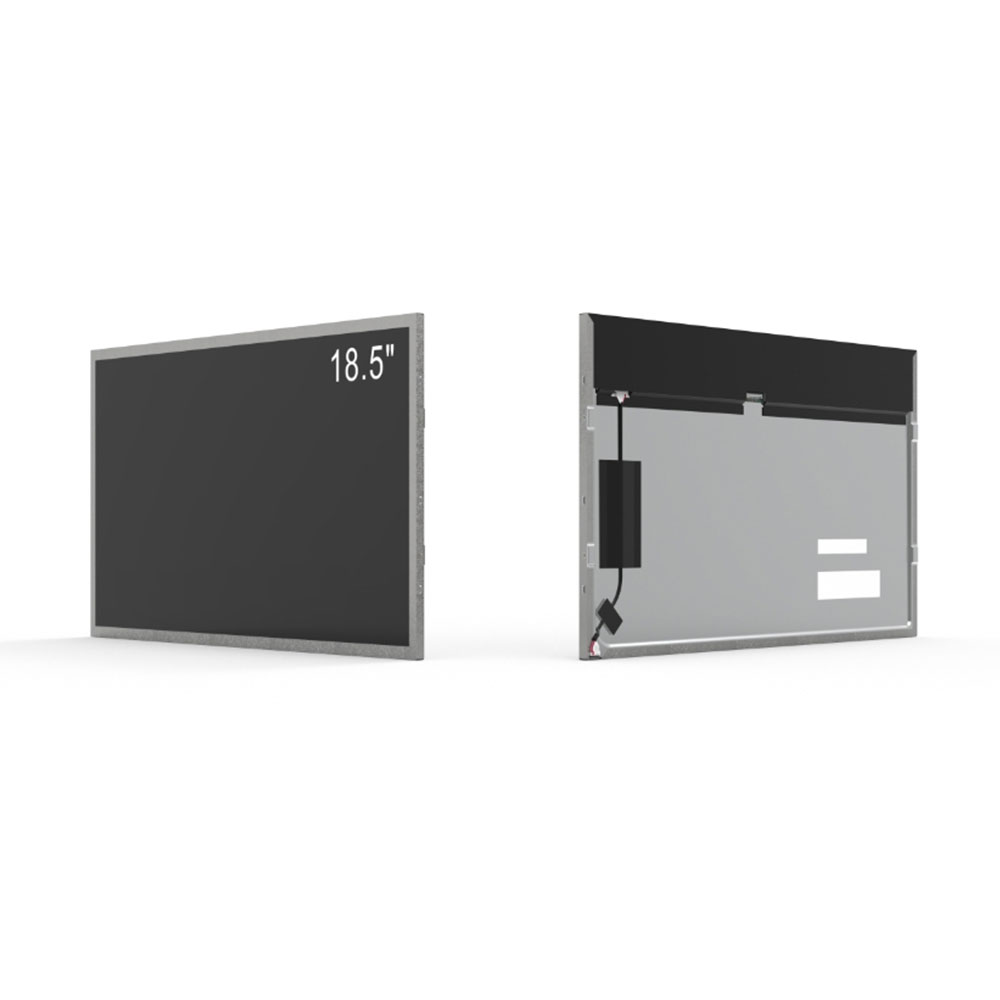
It’s also important to evaluate the panel’s lifespan and maintenance needs. Panels rated for 50,000+ hours of continuous operation are preferable, especially for 24/7 monitoring systems. Customer reviews from users in automotive and logistics industries highlight that vendors offering extended warranties and real-time diagnostics significantly reduce downtime. Finally, ensure compatibility with existing control systems—whether via LVDS, HDMI, or MIPI interfaces—to avoid costly integration delays. By focusing on these technical specifications and industry-tested performance metrics, engineers can confidently choose LCD panels that deliver both durability and precision across diverse industrial settings.