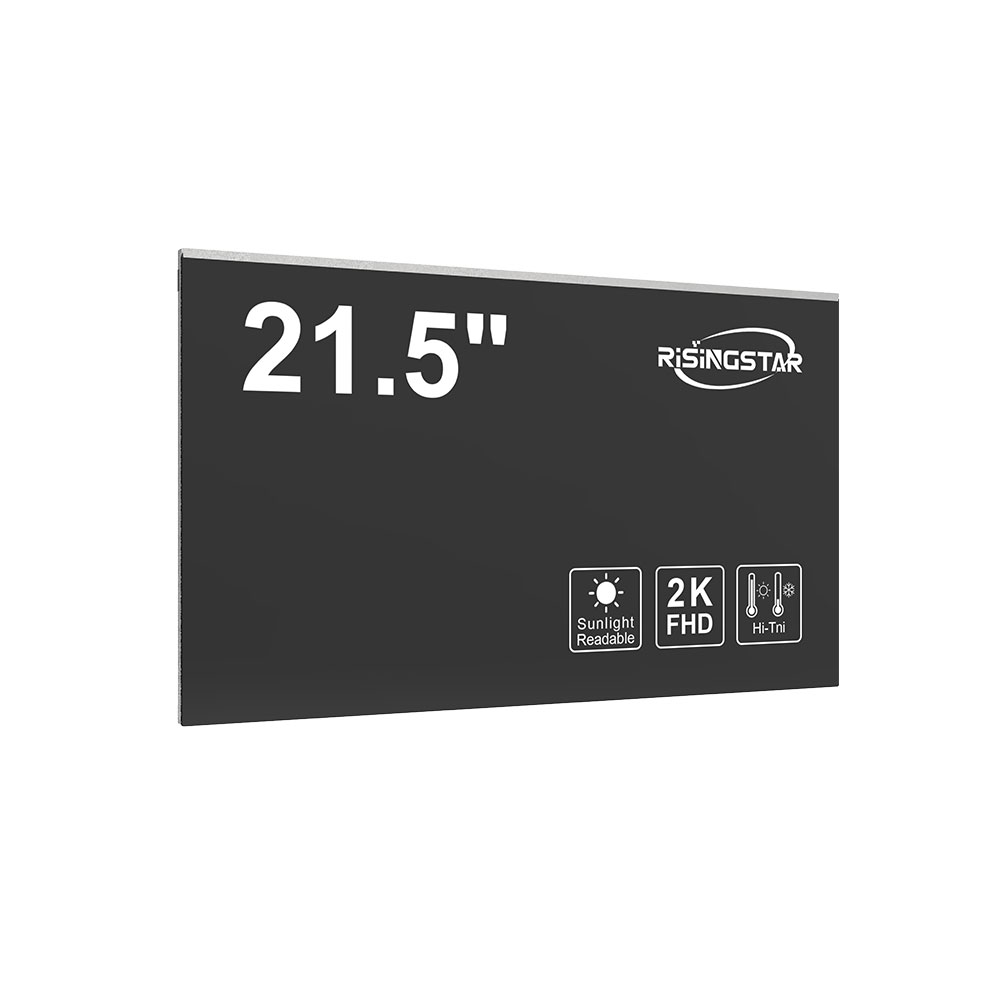
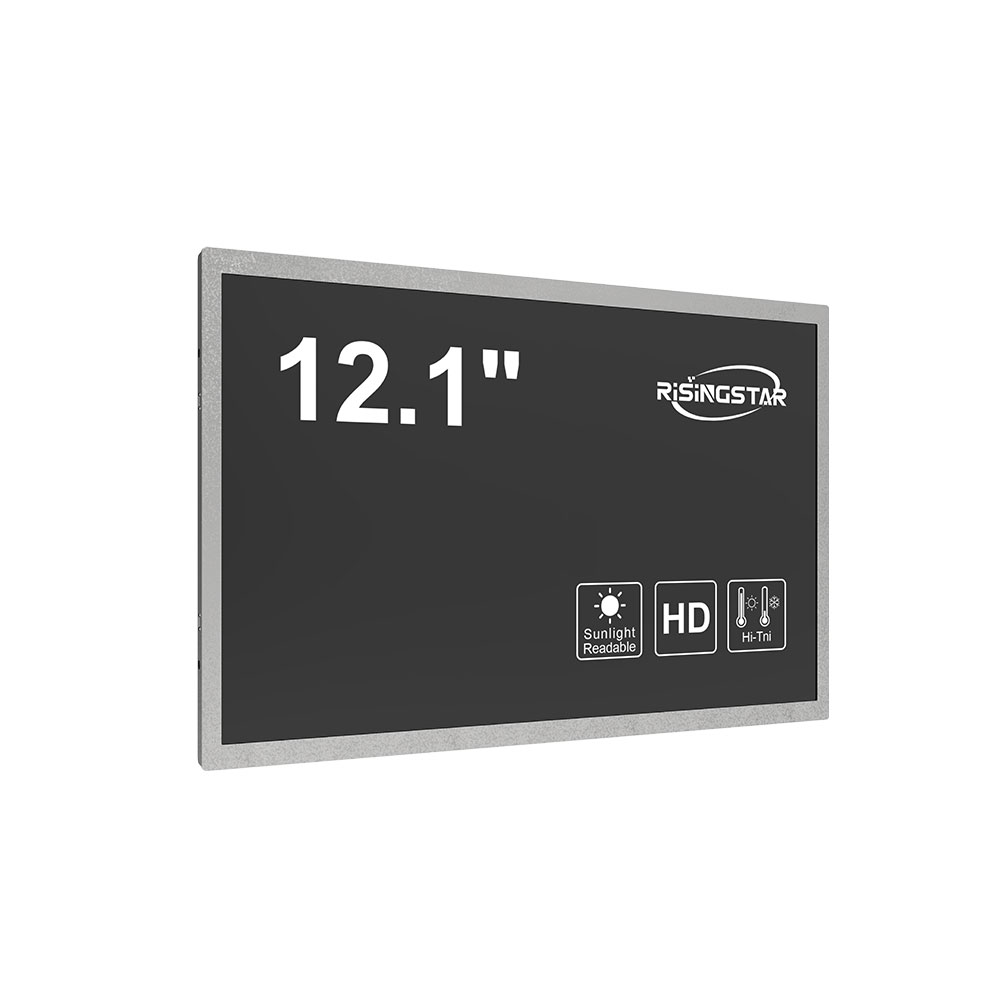
When selecting an LCD panel for industrial applications, equipment manufacturers and distributors must prioritize reliability, environmental resilience, and long-term performance. Unlike consumer-grade displays, industrial LCDs are expected to operate in harsh conditions—ranging from extreme temperatures (-30°C to +70°C) to high humidity, vibration, and dust exposure. According to a 2023 report by Market Research Future, over 68% of industrial automation systems now rely on ruggedized display solutions that meet IP65 or higher ingress protection standards.
Key factors to consider include brightness levels (minimum 1000 nits for outdoor visibility), wide viewing angles (at least 178°), and support for extended temperature ranges. For example, Panasonic’s VESA-mount LCD panels used in factory control systems have demonstrated 99.8% uptime in continuous 24/7 operations across automotive manufacturing plants in Germany and Japan. Additionally, compatibility with industrial protocols such as RS-485 or CAN bus ensures seamless integration into existing machinery without costly retrofitting.
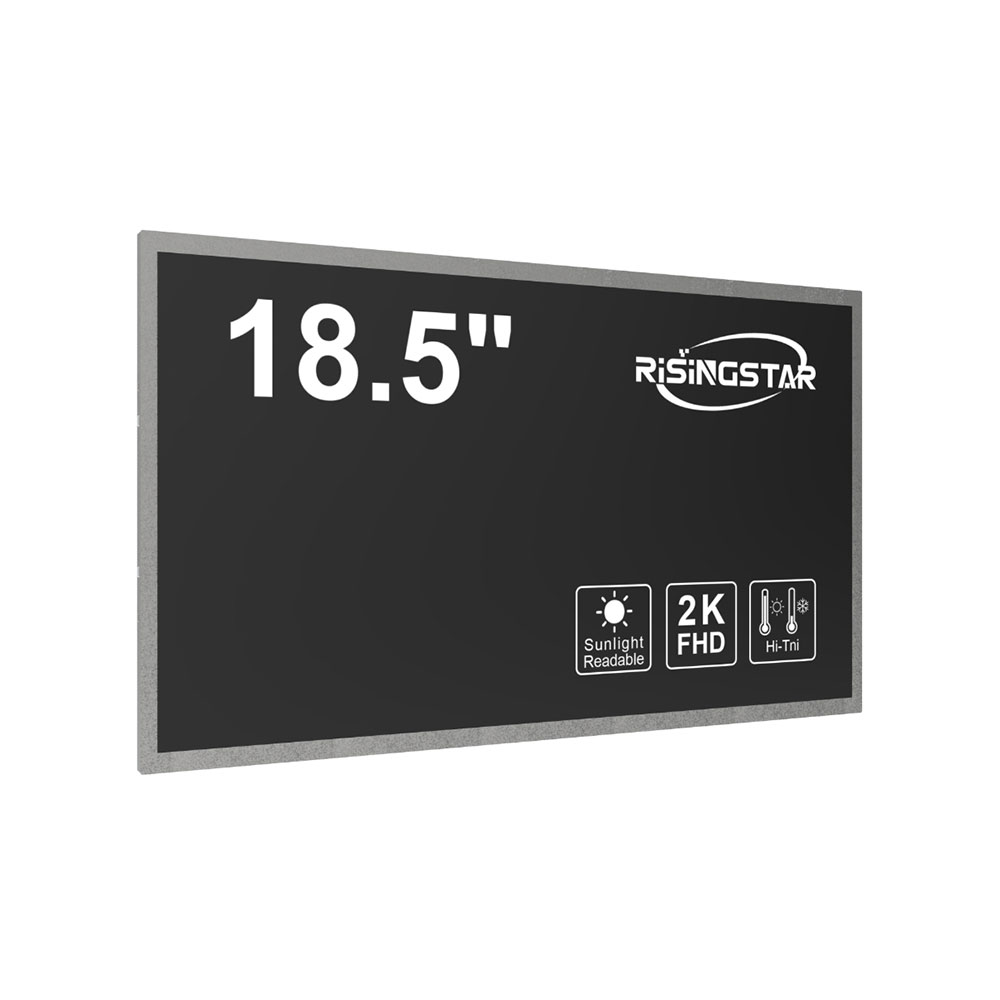
Manufacturers should also evaluate supply chain stability and certifications like ISO 9001, RoHS compliance, and CE marking to ensure regulatory alignment across global markets. A recent case study by LG Display highlighted how their 15.6-inch industrial-grade IPS panel reduced maintenance costs by 40% in logistics warehouses due to superior touch sensitivity and anti-glare coating. Distributors benefit from standardized interfaces like LVDS or eDP, which simplify inventory management and reduce lead times for OEM clients.
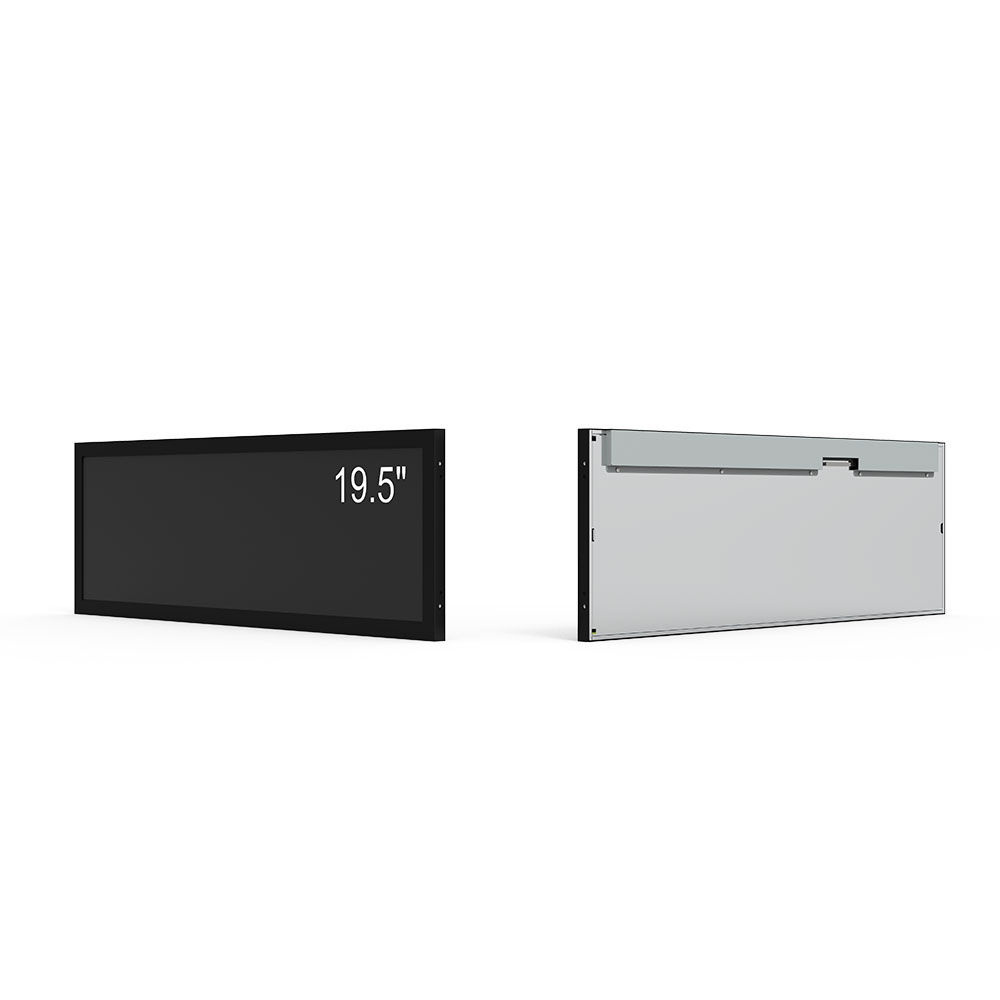
Finally, future-proofing is critical—panels supporting firmware updates and modular design allow for easier upgrades without replacing entire units. By focusing on these criteria, overseas equipment manufacturers can significantly enhance product longevity, customer satisfaction, and return on investment.