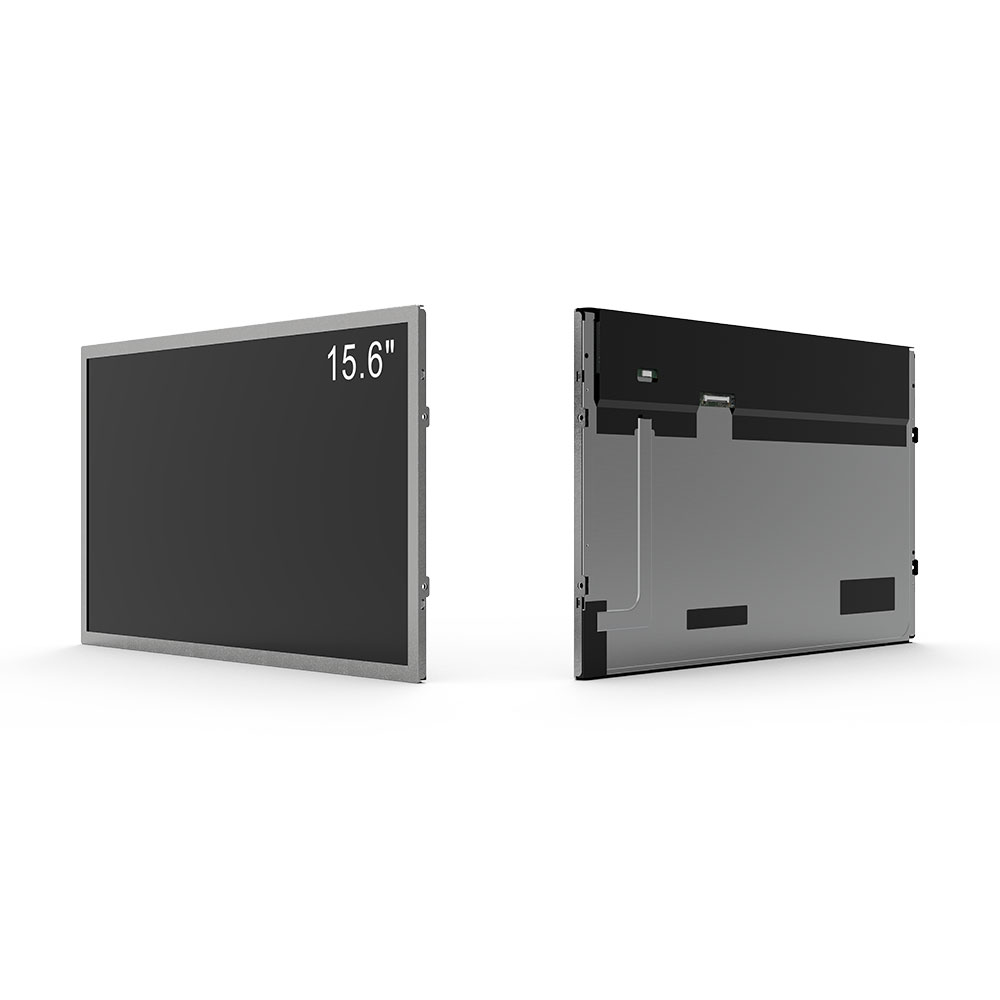
In today’s increasingly connected world, the demand for durable and reliable display technology has surged—especially in industrial automation, outdoor signage, and automotive environments. Among the most sought-after specifications is IP66 waterproof rating, a standard defined by the International Electrotechnical Commission (IEC) that ensures protection against powerful water jets and complete dust ingress prevention.
An IP66-rated LCD display offers robust performance in harsh conditions where moisture, dust, and mechanical stress are common. The first digit “6” means total protection from dust—a critical feature in manufacturing plants, construction sites, or mining operations where particulate matter can compromise electronics. The second digit “6” indicates resistance to water jets from any direction, making these displays suitable for use in rain, high-pressure cleaning scenarios, or marine environments.
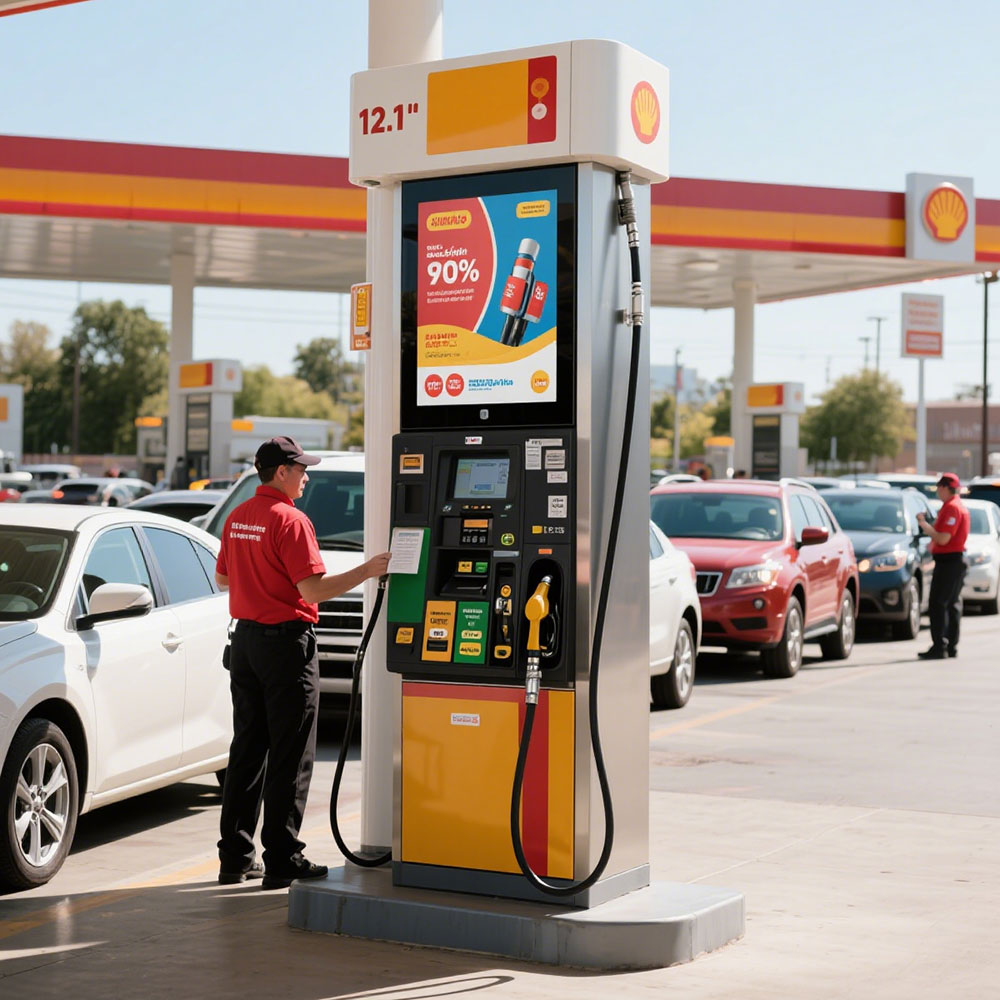
Leading manufacturers like LG Display, Sharp, and Samsung offer IP66-rated LCD modules specifically designed for ruggedized applications. For example, LG’s 10.4-inch industrial-grade TFT-LCD with an IP66 rating is widely used in medical imaging equipment, vending machines, and kiosks exposed to variable weather conditions. These displays typically feature sealed enclosures, anti-glare coatings, and wide temperature tolerance (-20°C to +70°C), ensuring consistent operation across diverse climates.
From an engineering perspective, achieving IP66 certification involves rigorous testing per IEC 60529 standards, including exposure to water jets at 12.5 liters per minute for 3 minutes from a distance of 3 meters. Successful compliance requires precise sealing around connectors, bezels, and power interfaces using materials like silicone gaskets and potting compounds. Additionally, thermal management must be optimized to prevent condensation inside the unit—a common failure point in humid environments.
Industries leveraging IP66 waterproof LCDs include:
- Automotive: In-dash infotainment systems and dashboard displays in electric vehicles
- Marine & Defense: Radar interfaces and command center displays
- Agriculture: GPS-guided tractors and irrigation control panels
- Public Infrastructure: Bus stop information boards and traffic signal displays
Customer feedback consistently highlights reliability under extreme conditions. A case study from a Norwegian oil rig operator reported zero failures over 18 months of continuous outdoor operation in sub-zero temperatures and heavy rainfall—demonstrating real-world efficacy.
As global supply chains push toward smarter, more resilient hardware, IP66-rated LCDs are no longer optional—they are essential for long-term operational uptime and reduced maintenance costs. Whether designing for OEM integration or retrofitting legacy systems, choosing an IP66-certified display ensures future-proofing against environmental challenges.