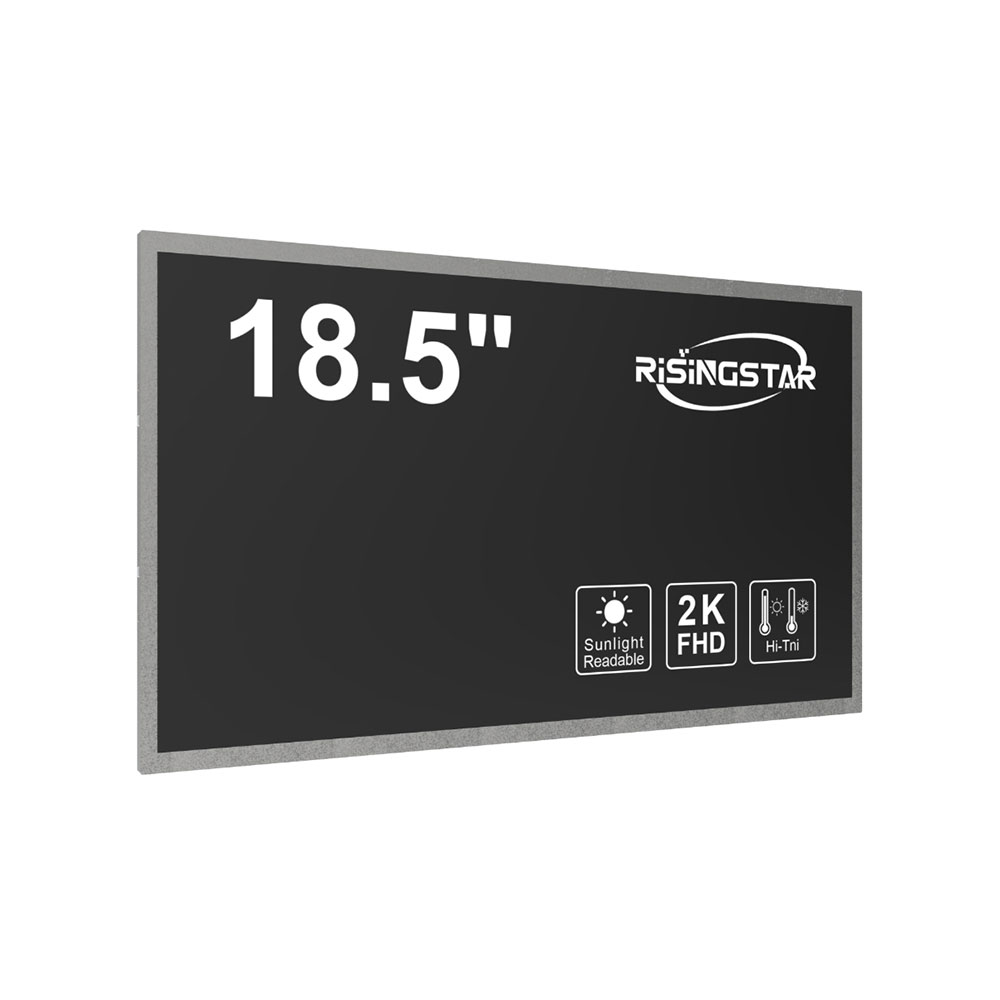
When selecting an LCD panel for industrial applications, it's essential to consider several technical and environmental factors that directly impact performance, longevity, and reliability. Unlike consumer-grade displays, industrial LCDs must operate in harsh environments—ranging from extreme temperatures to high vibration levels—and support 24/7 operation without failure.
First, evaluate the panel’s brightness and contrast ratio. For outdoor or high-ambient-light environments, a brightness level of at least 1000 nits is recommended. Panels with high dynamic range (HDR) and local dimming technology offer better image quality under variable lighting conditions.
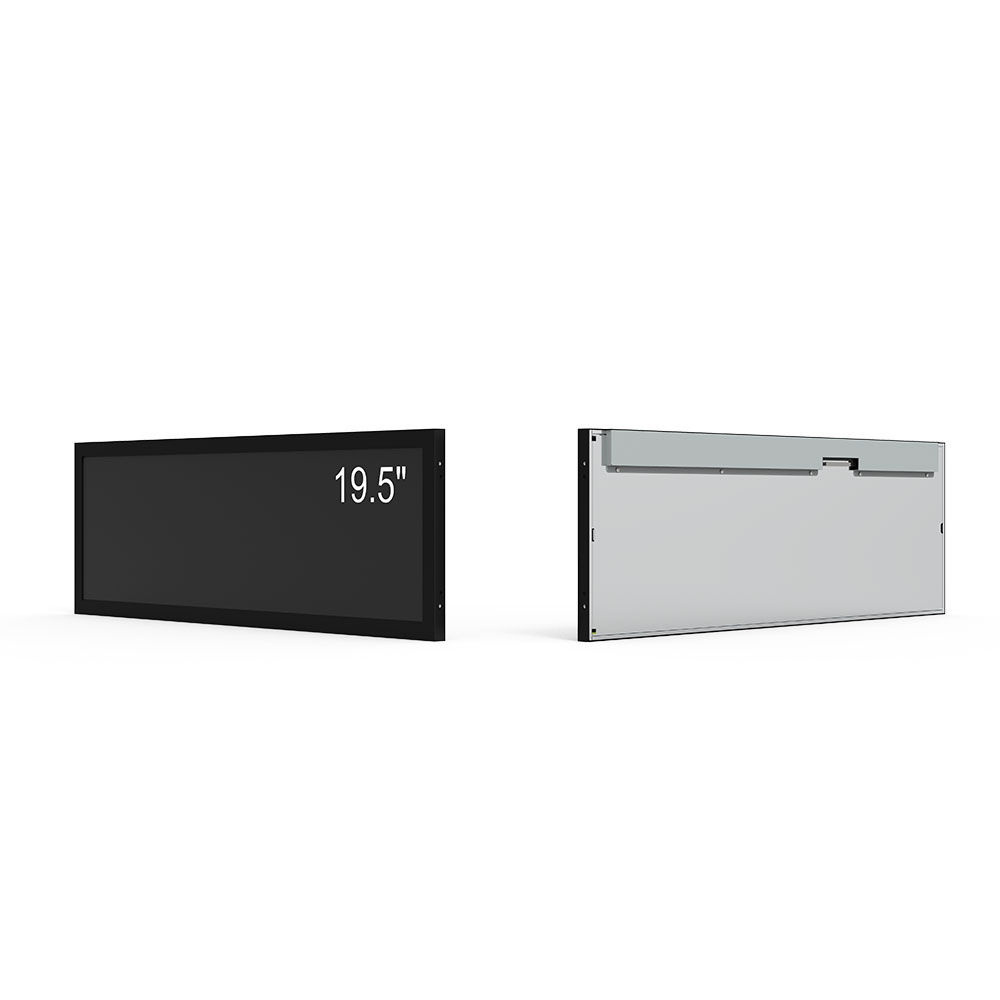
Second, consider the viewing angle and color accuracy. In control rooms or manufacturing settings where operators view screens from multiple angles, a wide viewing angle (typically 178° horizontal and vertical) ensures consistent visibility. IPS (In-Plane Switching) panels are preferred for their superior color reproduction and uniformity compared to TN (Twisted Nematic) or VA (Vertical Alignment) technologies.
Third, examine the panel’s operating temperature range. Industrial-grade LCDs should function reliably between -30°C and +70°C, often validated by MIL-STD-810G or IEC 60068 standards. Thermal stability is critical for maintaining pixel integrity and preventing premature aging.
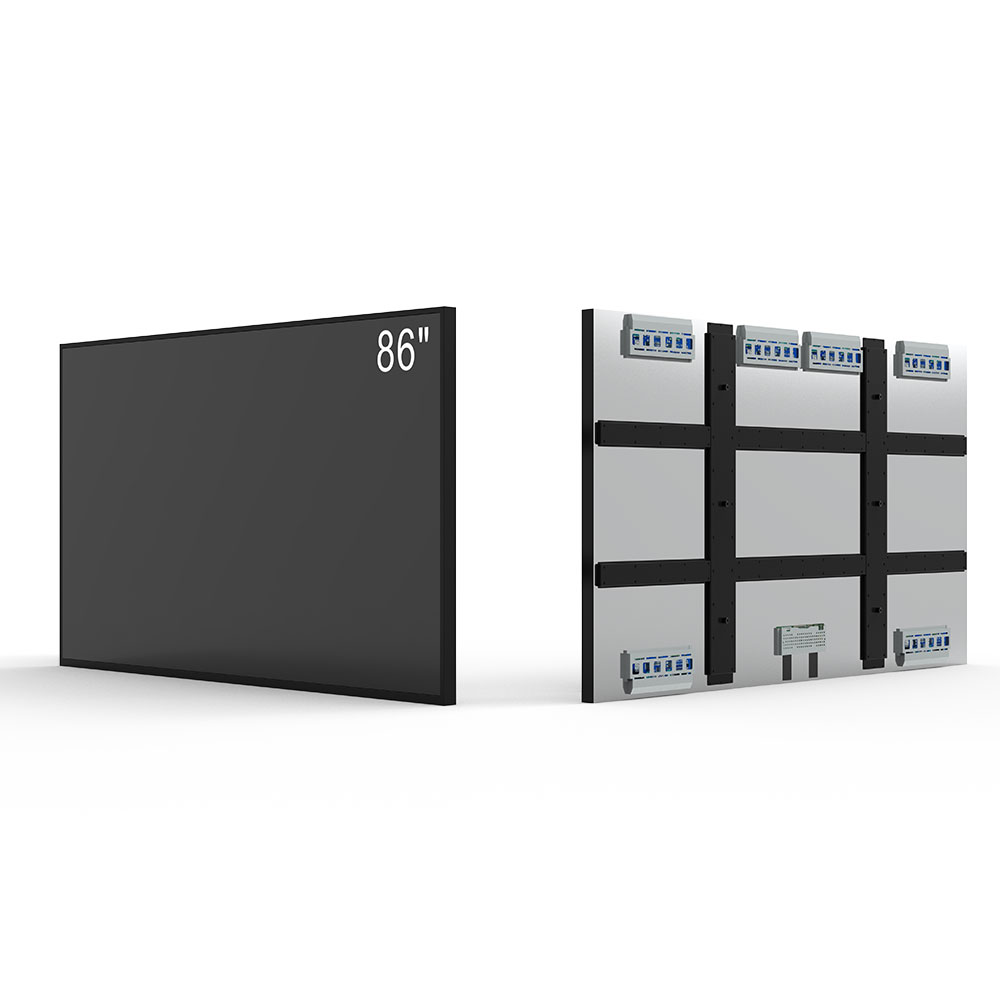
Fourth, durability matters. Look for panels with hardened glass (like Gorilla Glass or chemically strengthened glass), anti-glare coatings, and robust bezel designs. These features reduce damage from impacts, dust, and moisture—key concerns in factory floors or field operations.
Fifth, assess connectivity options. Industrial applications often require HDMI, DisplayPort, LVDS, or USB-C inputs, along with support for embedded firmware updates. Some modern panels even integrate touch functionality (capacitive or infrared) for interactive control systems.
Finally, check certifications such as CE, FCC, RoHS, and ISO 9001. These ensure compliance with safety, electromagnetic compatibility, and environmental standards. For example, a recent study by the International Electrotechnical Commission (IEC) found that certified panels had 40% fewer field failures over five years compared to non-certified alternatives.
By prioritizing these factors—brightness, viewing angle, temperature resilience, mechanical durability, and regulatory compliance—you can choose an LCD panel that delivers long-term value and operational stability in demanding industrial environments.