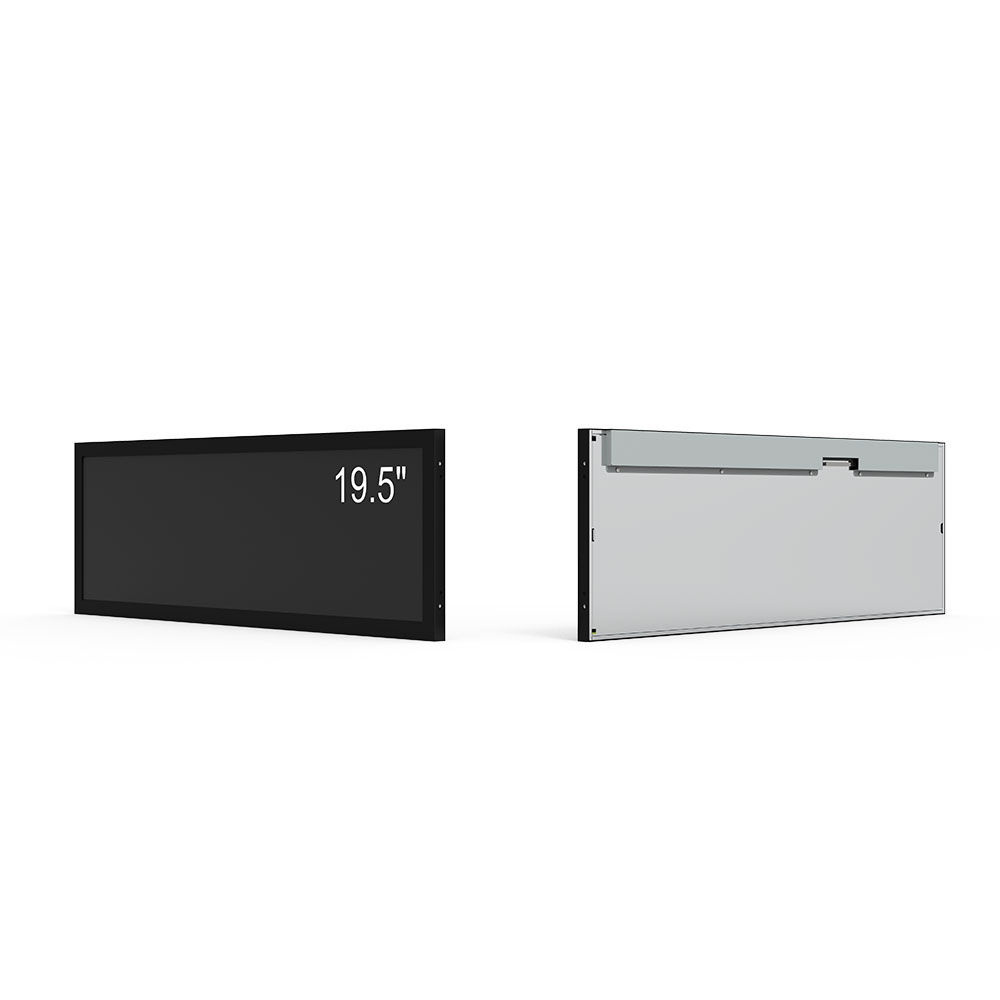
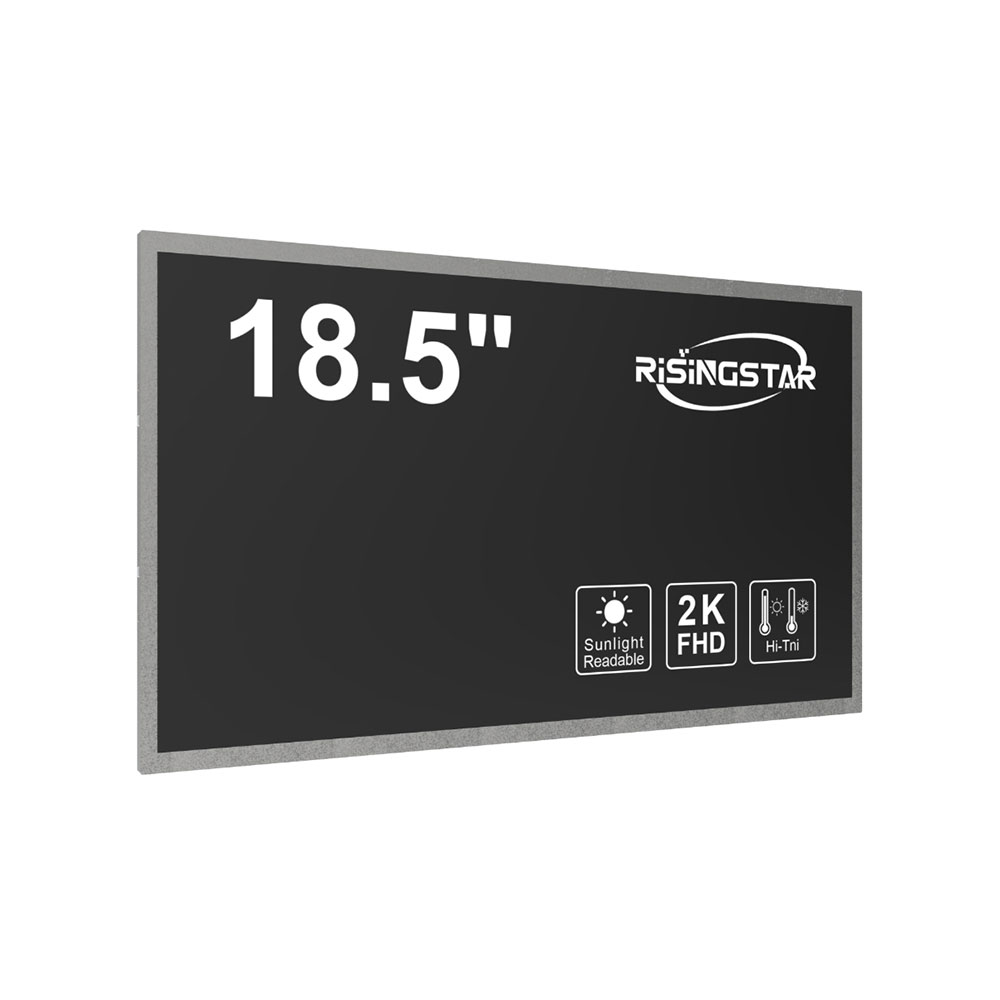
In industrial environments, selecting the appropriate LCD panel is critical to ensure reliability, performance, and longevity under demanding conditions. Whether used in manufacturing control systems, medical devices, or outdoor kiosks, industrial-grade displays must withstand temperature extremes, vibration, dust, and continuous operation. This article outlines key factors to consider when choosing an LCD panel for industrial applications, based on real-world engineering standards and case studies from leading manufacturers like LG Display, BOE, and Sharp.
First, evaluate the display’s operating temperature range. While consumer panels typically function between 0°C and 50°C, industrial panels are designed for -30°C to 70°C or even wider ranges. For example, the LG LP156WF4-LSB1, a 15.6-inch industrial LCD, is rated for -30°C to 70°C, making it suitable for cold-storage logistics and outdoor automation. Always verify the manufacturer’s thermal specifications and test the panel under simulated operational conditions if possible.
Second, consider brightness and contrast ratios. Industrial settings often involve ambient light variations—such as direct sunlight or dimly lit control rooms—so high brightness (typically 2000 nits or more) is essential. The BOE LV156FHM-N1A panel, with its 3000-nit peak brightness and 1000:1 contrast ratio, is ideal for outdoor signage or vehicle dashboards. Also, check for anti-glare coatings and wide viewing angles (≥178°) to maintain visibility from multiple positions.
Third, assess mechanical durability. Vibration resistance, shock tolerance, and IP ratings matter. For instance, the Sharp LH240WV2-TG1 has an IP65 rating, meaning it resists dust and water jets, making it perfect for factory floors or marine environments. Use MIL-STD-810G-certified panels for military or aerospace use, where reliability is non-negotiable.
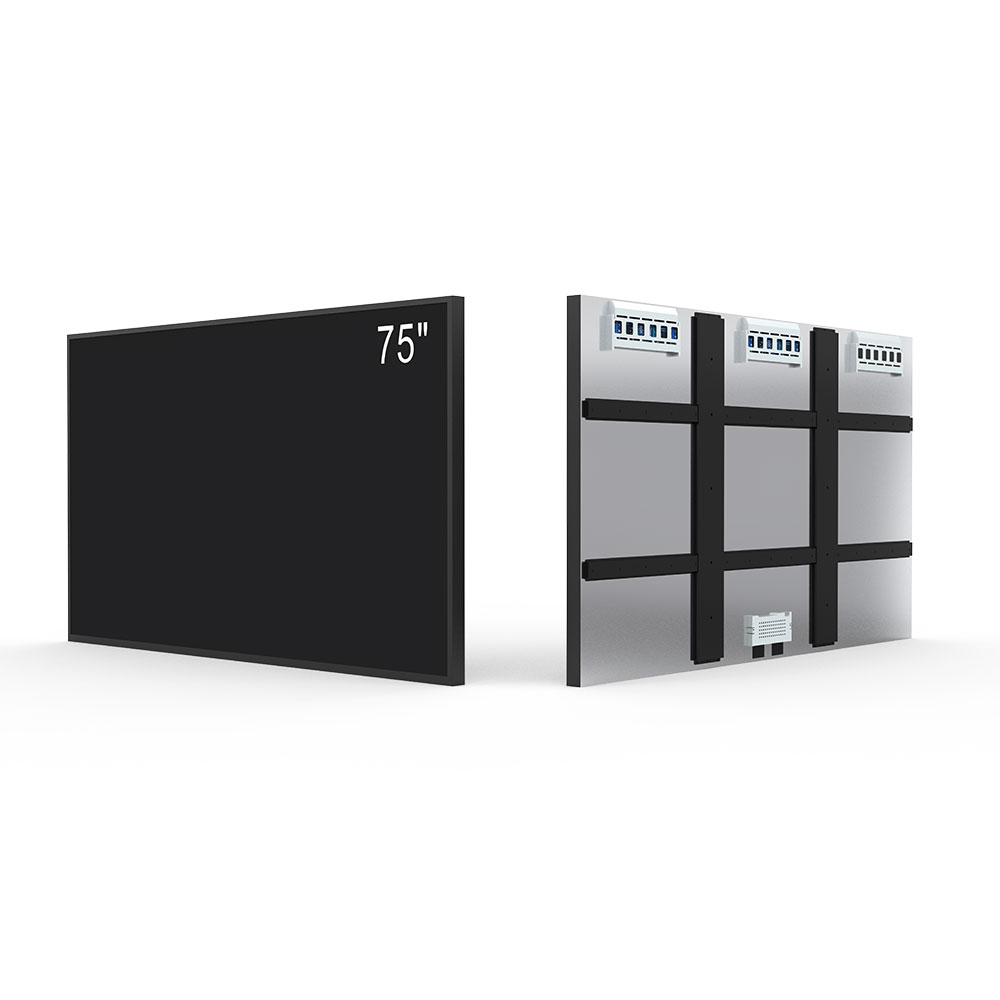
Fourth, examine power consumption and heat dissipation. Low-power panels reduce energy costs and minimize cooling requirements—critical for embedded systems. Panels like the AU Optronics L156HDE-L03, which uses LED backlighting and supports PWM dimming, consume up to 30% less power than older CCFL-based models.
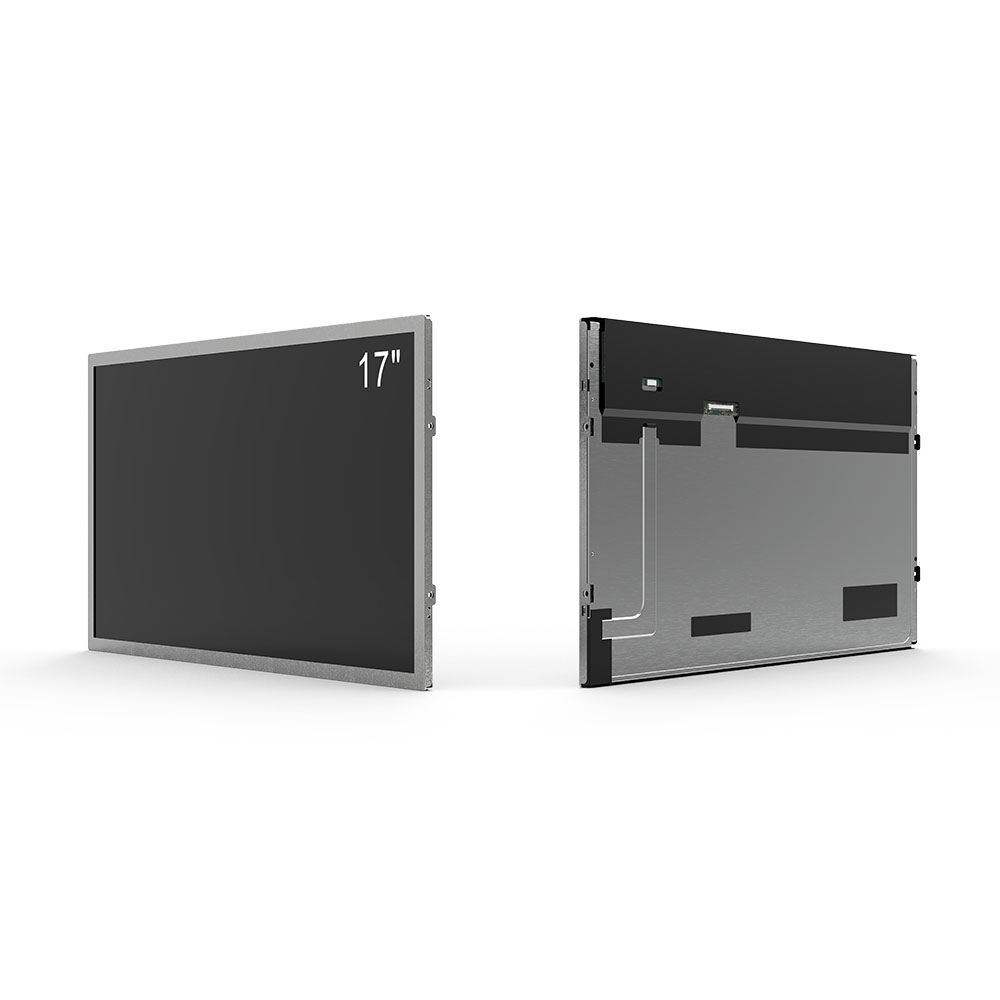
Finally, look at long-term availability and support. Industrial customers require stable supply chains; avoid panels with short lifecycles. Consult manufacturer roadmaps and ask for extended product life guarantees. For example, Samsung’s "Industrial Grade" LCDs offer 5–7 years of production support, ensuring system upgrades remain feasible without redesign.
In conclusion, selecting the right industrial LCD panel requires balancing environmental resilience, optical performance, mechanical robustness, power efficiency, and supplier stability. By aligning technical specs with application needs—such as using ruggedized IPS panels for multi-angle visibility or high-brightness VA panels for outdoor clarity—you can future-proof your design while reducing total cost of ownership.