In the world of display technology, the 4:3 aspect ratio remains a vital format—especially in industries that prioritize precision, compatibility, and legacy system integration. While modern monitors increasingly favor widescreen formats like 16:9 or 21:9, 4:3 displays still hold significant value for specific applications such as medical imaging, industrial control systems, point-of-sale (POS) terminals, and older computer workstations. Common sizes in this category include 15-inch, 17-inch, and 19-inch screens, which offer balanced screen real estate without sacrificing readability or usability in vertical document viewing.
A 4:3 display provides a square-like layout that closely matches the native resolution of many older software applications and spreadsheets. For instance, a 1024×768 resolution is perfectly suited to a 15-inch 4:3 LCD panel, offering clear text rendering and efficient multitasking for office environments. Similarly, a 17-inch 4:3 monitor can accommodate more rows of data on-screen, making it ideal for financial analysts, engineers, and educators who rely on structured, grid-based interfaces.
Manufacturers like Dell, LG, and NEC have historically produced high-quality 4:3 LCD panels with excellent color accuracy, wide viewing angles, and long-term reliability. These displays often feature TN (Twisted Nematic), IPS (In-Plane Switching), or VA (Vertical Alignment) technologies, each offering different trade-offs between response time, contrast ratio, and viewing angle. For example, IPS panels are preferred in medical diagnostics due to their superior color consistency across angles—a critical factor when interpreting ultrasound or X-ray images.
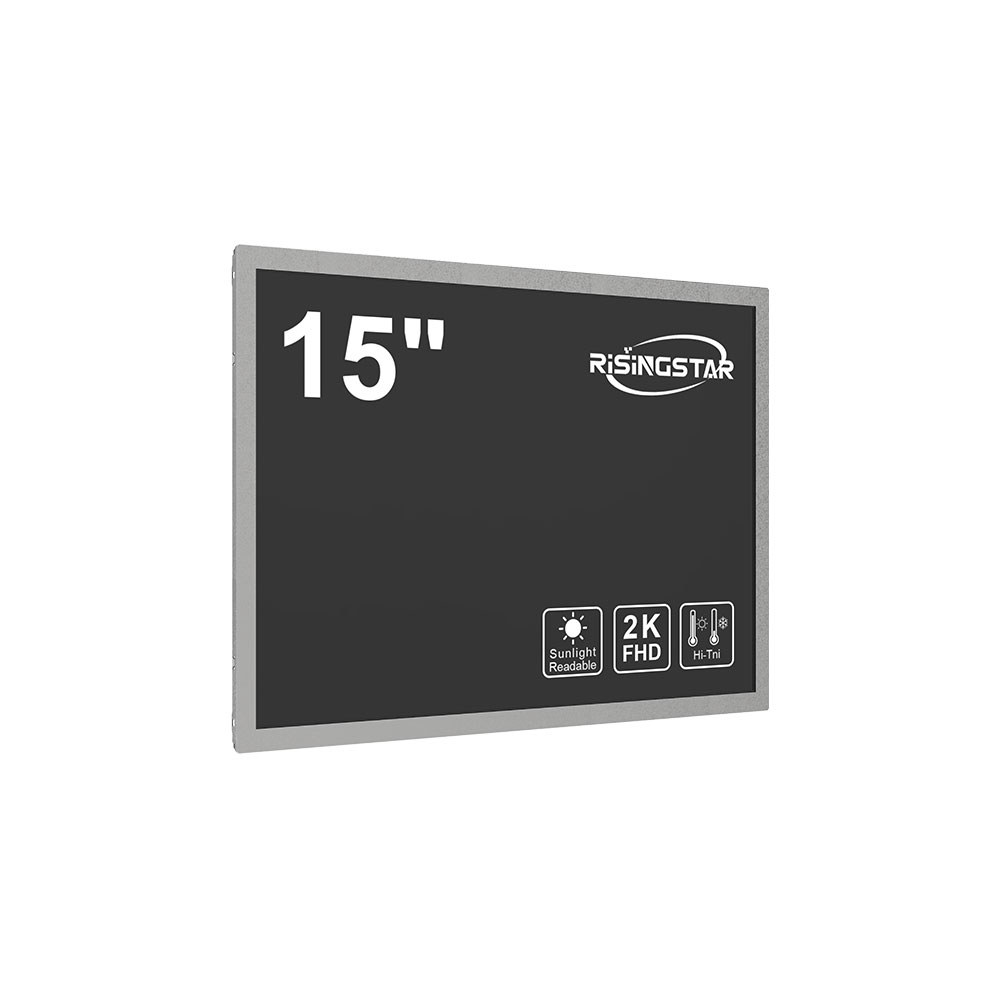
Environmental durability also matters. Industrial-grade 4:3 displays used in manufacturing settings must meet IP65 ratings for dust and water resistance, and withstand temperature variations from -10°C to 50°C. Such specifications ensure consistent performance even in harsh conditions, reinforcing why these ratios remain relevant beyond consumer use cases.
Furthermore, cost-effectiveness plays a role. In budget-conscious deployments like school labs or retail kiosks, 15–19 inch 4:3 LCDs provide an economical solution that doesn’t compromise on essential functionality. They’re easier to integrate into existing hardware ecosystems and often come with VGA, DVI, or HDMI inputs for seamless connectivity.
In summary, while 4:3 aspect ratio LCDs may seem outdated compared to ultra-wide screens, they continue to serve niche markets where precision, compatibility, and operational stability are non-negotiable. Whether you're selecting a 15-inch unit for a retro gaming setup or a 19-inch model for a factory floor control station, understanding the technical advantages of this format ensures smarter purchasing decisions aligned with your workflow needs.