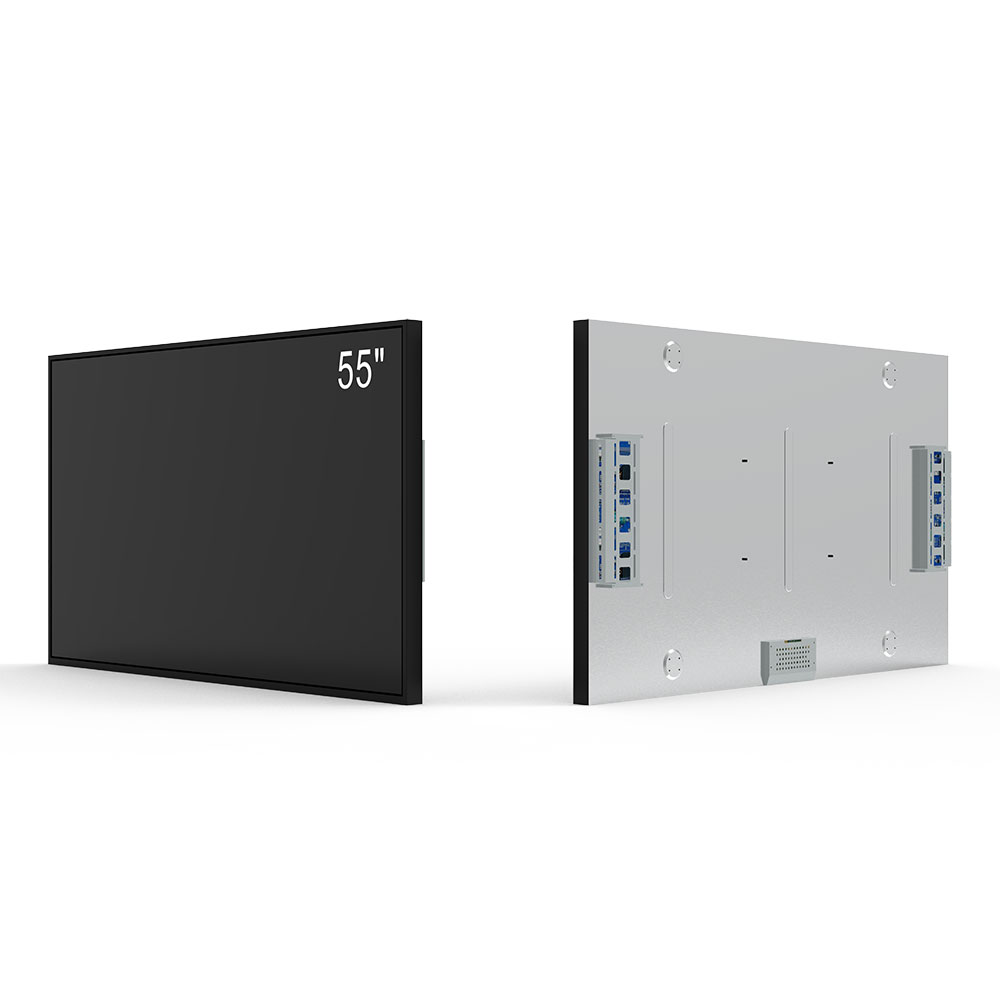
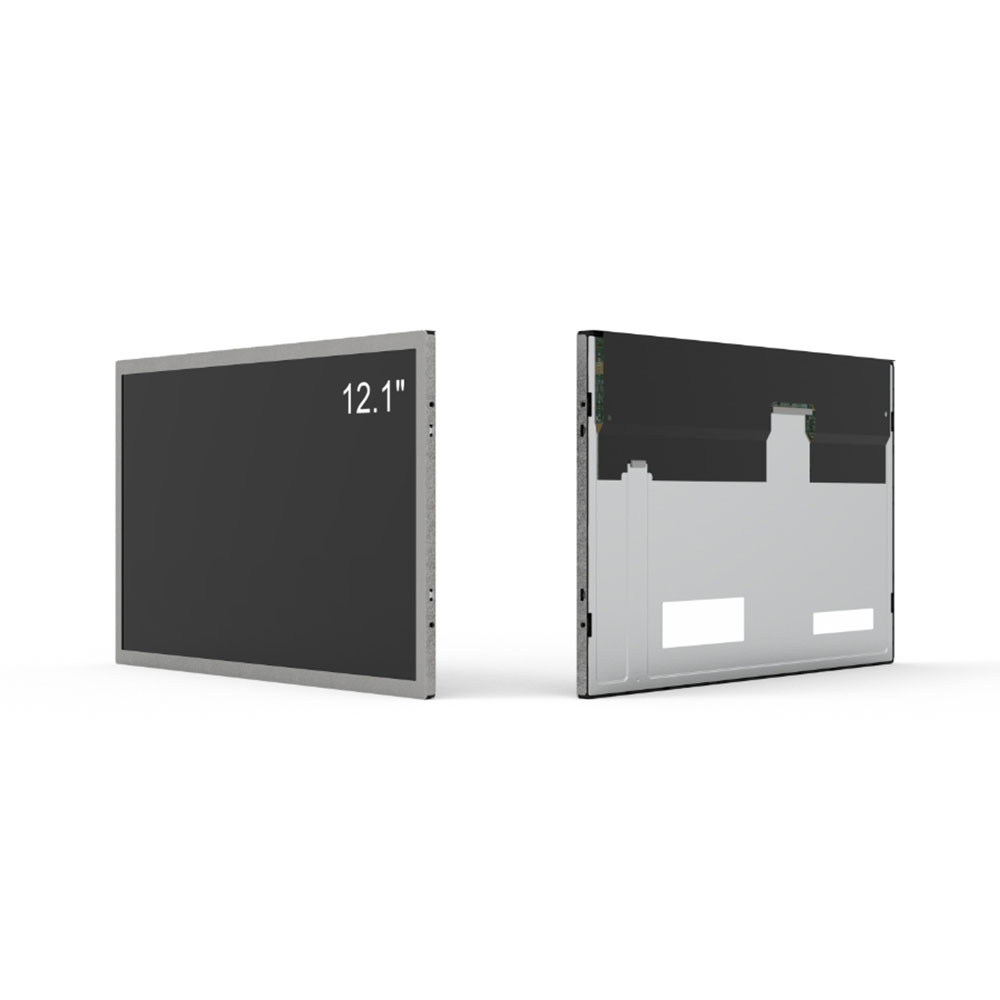
When selecting an LCD panel for your display application—whether it's for consumer electronics, industrial equipment, or automotive systems—it's essential to consider several critical factors that directly impact performance, longevity, and user experience. The right choice ensures optimal functionality, energy efficiency, and cost-effectiveness over time.
First, determine the required resolution and screen size. For instance, a 1080p panel is standard for mid-range smartphones, while industrial monitors may require 4K resolution for detailed diagnostics. Screen sizes range from 2.4 inches (common in wearables) to 32 inches or more (used in professional displays). Always match the panel’s native resolution with your system’s output capabilities to avoid scaling artifacts.
Next, evaluate the panel technology—TN (Twisted Nematic), IPS (In-Plane Switching), VA (Vertical Alignment), or OLED. TN panels offer fast response times but limited viewing angles; IPS provides excellent color accuracy and wide viewing angles, ideal for graphic design; VA delivers high contrast ratios suitable for media consumption; and OLED offers superior black levels and flexibility for curved displays. For example, Apple uses IPS panels in its iPads for consistent color reproduction, while Sony prefers VA in televisions for deeper blacks.

Brightness and contrast ratio are equally crucial. Brightness should be measured in nits—typically 300–500 nits for indoor use and 1000+ nits for outdoor visibility. High contrast ratios (e.g., 3000:1 or higher) improve image depth. Consider ambient light conditions: outdoor kiosks need at least 1500 nits, while medical displays often require 1000 nits for accurate image interpretation.
Response time and refresh rate matter for dynamic content. Panels with response times under 5ms are best for gaming and video playback. A 60Hz refresh rate is standard, but 120Hz or higher is preferred for smooth motion in sports or VR applications. LG’s IPS panels, for example, commonly offer 1ms response times and 144Hz refresh rates for gaming monitors.
Environmental durability is another key factor. Industrial and automotive applications demand panels rated for extreme temperatures (-30°C to +70°C), humidity resistance, and anti-glare coatings. MIL-STD-810G certification ensures rugged reliability. In harsh environments like mining or marine settings, you’ll want panels with IP65 ratings for dust and water protection.
Lastly, verify compatibility with your system’s interface—LVDS, eDP, or MIPI. These standards affect signal integrity and power consumption. For instance, eDP is common in laptops due to lower EMI and better bandwidth efficiency compared to LVDS. Always consult manufacturer datasheets and perform real-world testing before mass production.
By aligning these technical specifications with your application’s unique needs, you can future-proof your display solution while minimizing costly redesigns or failures.