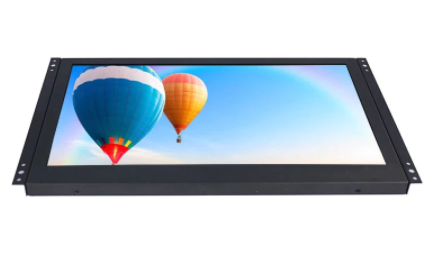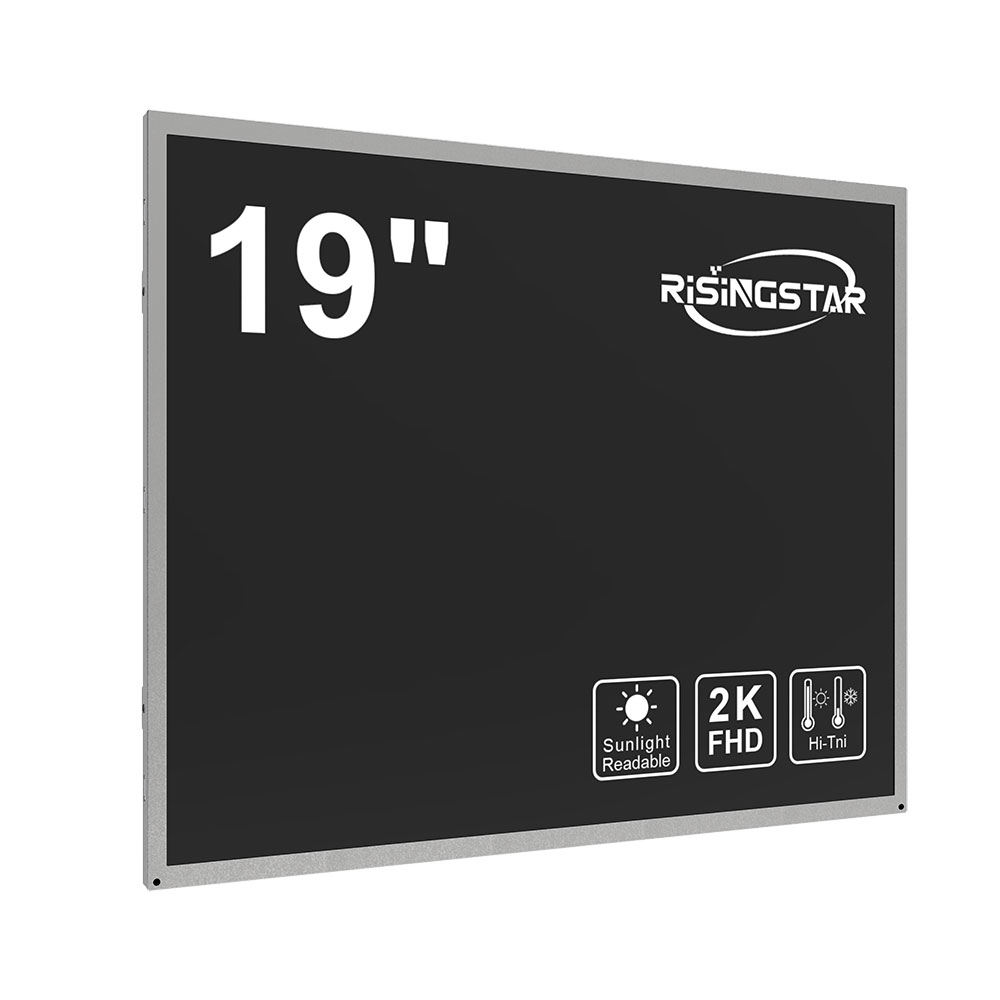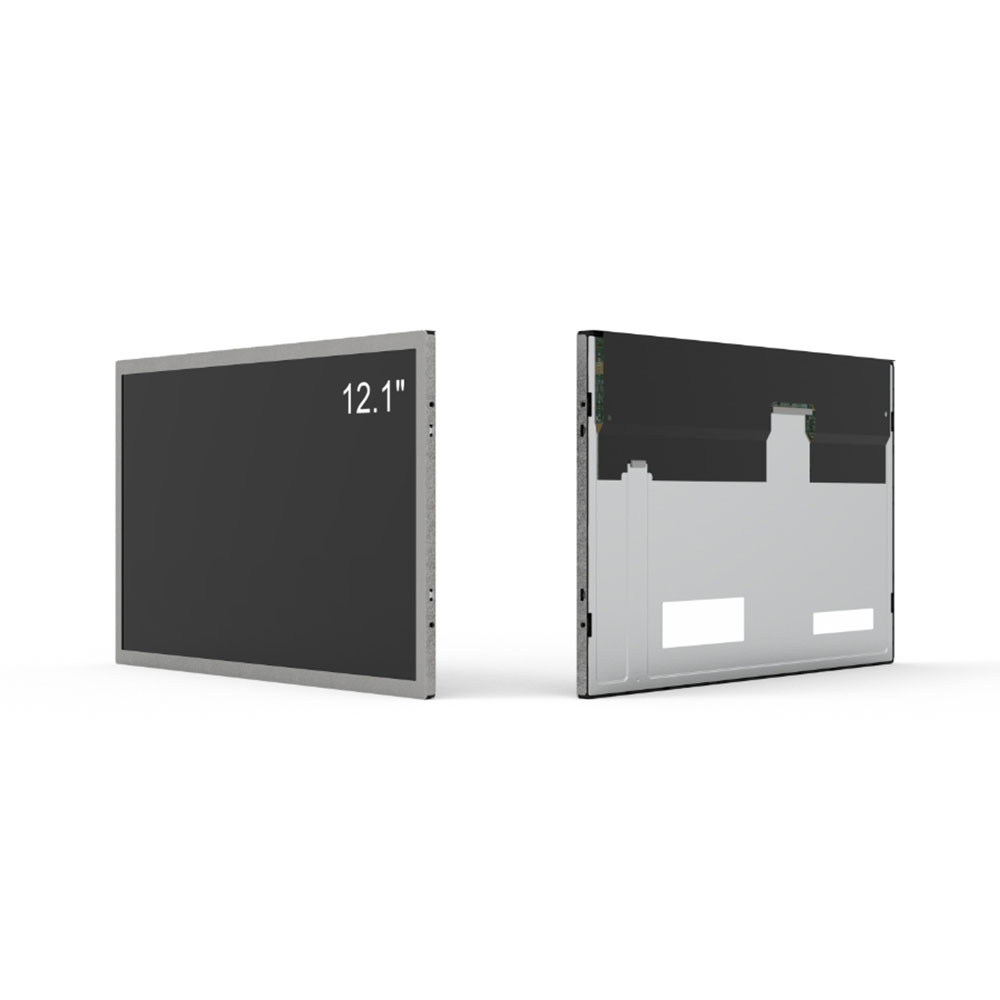
In today’s fast-paced digital world, display technology plays a critical role in user experience, productivity, and device performance. Among the most advanced and widely adopted technologies is IPS (In-Plane Switching) display technology—a standard that has revolutionized how we view content on smartphones, tablets, monitors, and automotive infotainment systems.
IPS was developed to overcome the limitations of earlier TN (Twisted Nematic) panels, which suffered from poor viewing angles, inaccurate color reproduction, and slow response times. By aligning liquid crystal molecules parallel to the glass substrate, IPS achieves superior color consistency, wider viewing angles (up to 178°), and improved brightness uniformity—making it ideal for professional design, medical imaging, and high-end consumer electronics.
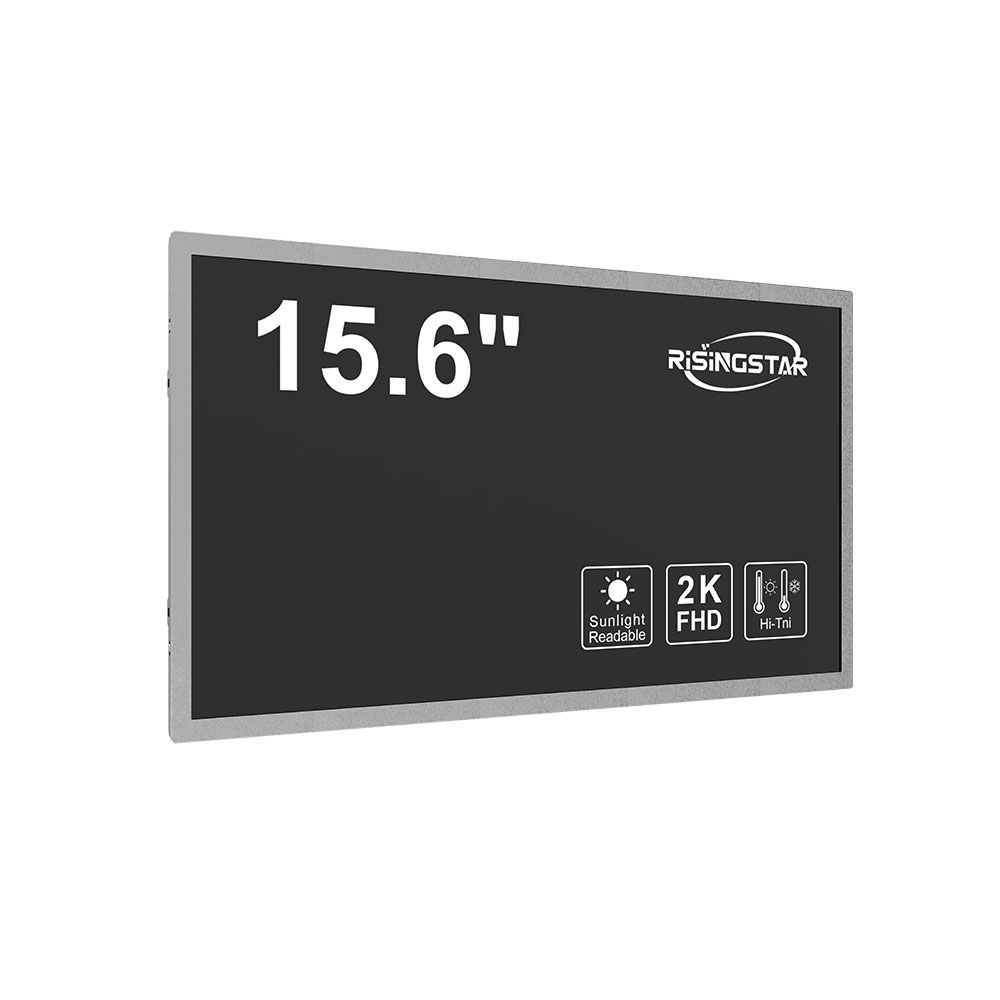
One of the key advantages of IPS panels is their exceptional color accuracy. With a typical color gamut covering 90–100% sRGB and up to 95% DCI-P3 in premium variants, IPS screens are favored by graphic designers, photographers, and video editors who demand pixel-perfect visuals. For instance, Apple’s MacBook Pro and Dell’s UltraSharp monitors use IPS technology to ensure consistent colors regardless of the viewing angle—a crucial feature in collaborative work environments.
Another major benefit is the enhanced viewing experience. Unlike TN panels, where colors shift or fade when viewed from an angle, IPS maintains image integrity even when viewed from the side. This makes it especially valuable in group settings, such as boardroom presentations or shared gaming sessions.
While early IPS displays had slower response times compared to TN panels, modern iterations—especially those using Fast IPS or Advanced IPS (A-IPS)—now offer response times as low as 4ms, making them suitable for fast-paced applications like competitive gaming and high-frame-rate video playback. Additionally, advancements in backlighting (e.g., LED edge-lit and full-array local dimming) have improved contrast ratios and reduced power consumption, addressing historical concerns about IPS energy efficiency.
For sunlight-readable applications—such as outdoor kiosks, military equipment, and industrial control panels—IPS panels are often paired with high-brightness backlights (1000–5000 nits) and anti-glare coatings to maintain visibility under direct sunlight. Industry standards like MIL-STD-810G and ISO 14617 further validate their durability and reliability in harsh conditions.
In conclusion, IPS display technology remains the gold standard for quality visual output across industries. Its combination of wide viewing angles, accurate colors, and evolving performance metrics ensures its continued dominance in both consumer and professional markets. Whether you're selecting a monitor for your creative workflow or designing a ruggedized display for field operations, understanding IPS technology empowers smarter, more informed decisions.