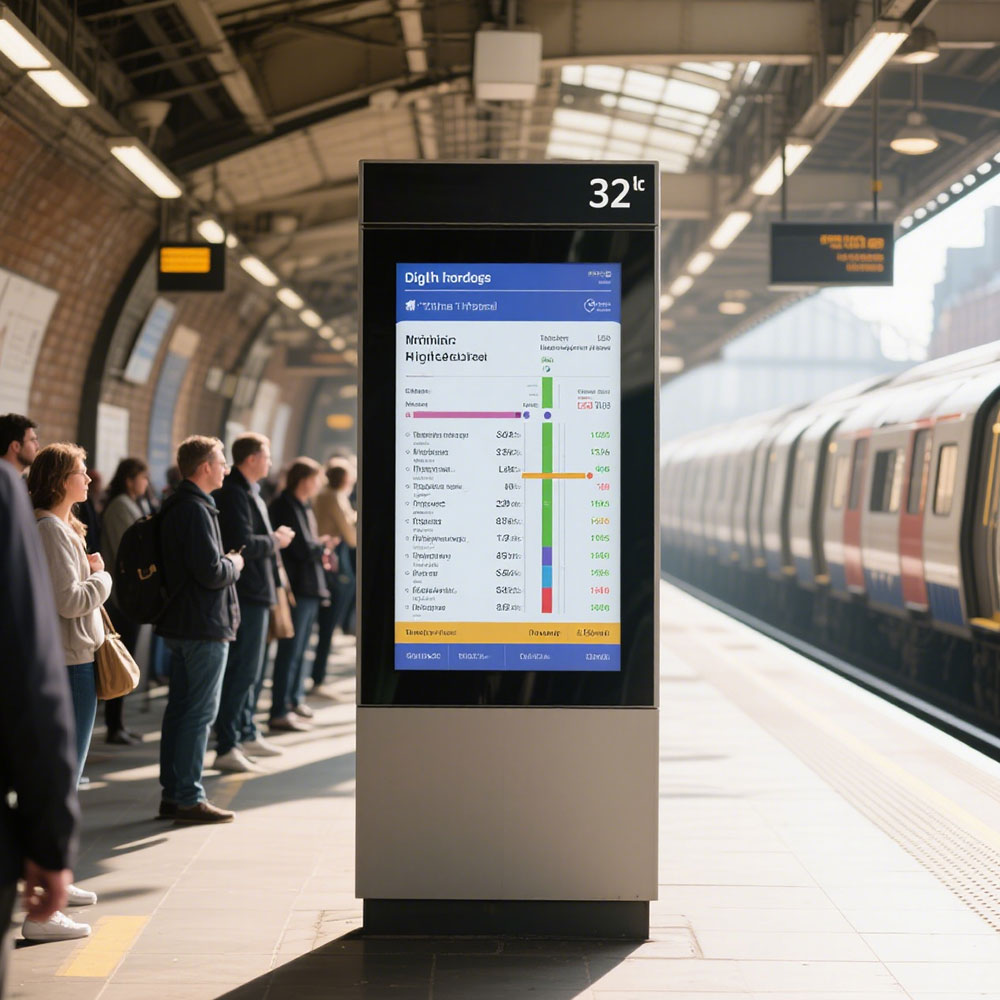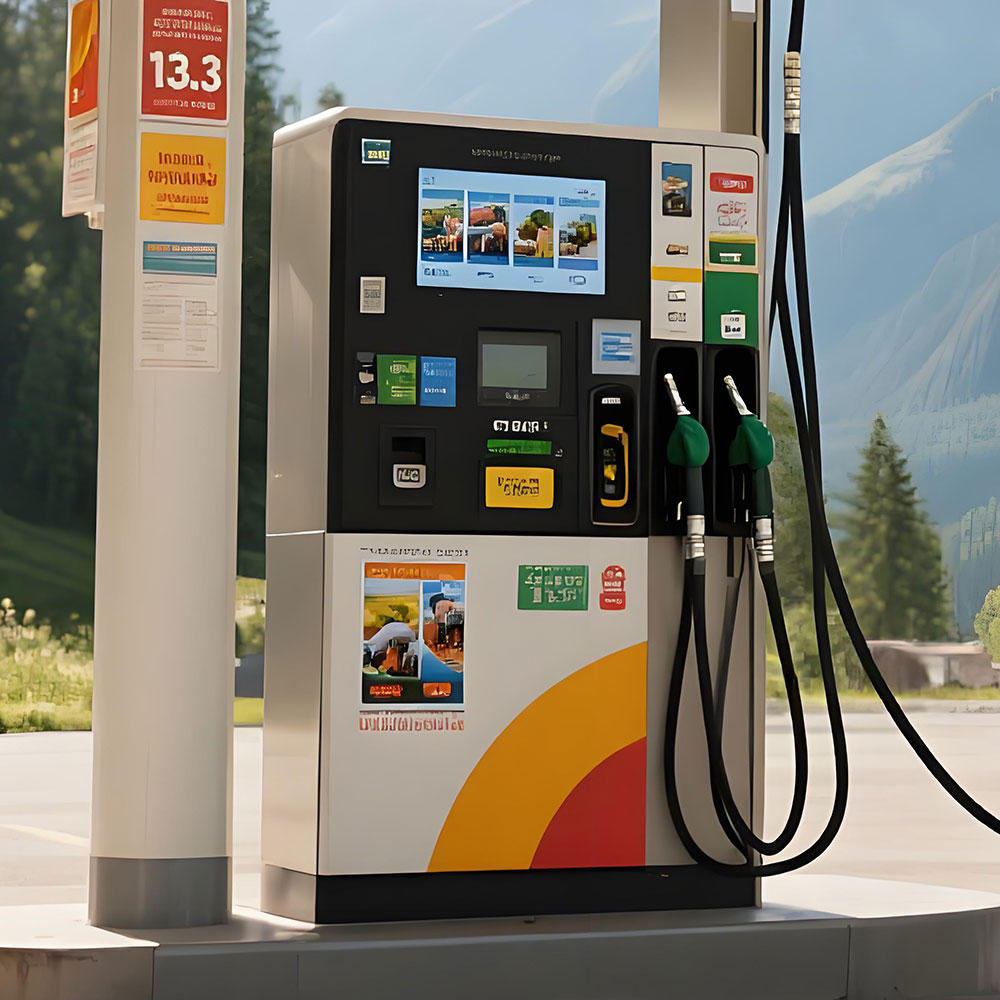
In the rapidly evolving world of outdoor digital signage, industrial control panels, and military-grade displays, achieving reliable IP66 waterproofing is no longer optional—it’s a necessity. As sunlight-readable, high-brightness LCD screens become the standard for visibility in harsh environments, engineers must integrate robust sealing solutions that meet or exceed international protection standards.
IP66 refers to an Ingress Protection rating defined by IEC 60529, where “6” indicates complete protection against dust ingress and “6” means protection against powerful water jets from any direction. This level of protection ensures that critical display systems—such as those used in transportation hubs, oil rigs, construction sites, or emergency vehicles—remain operational even during heavy rain, pressure washing, or exposure to spray from machinery.
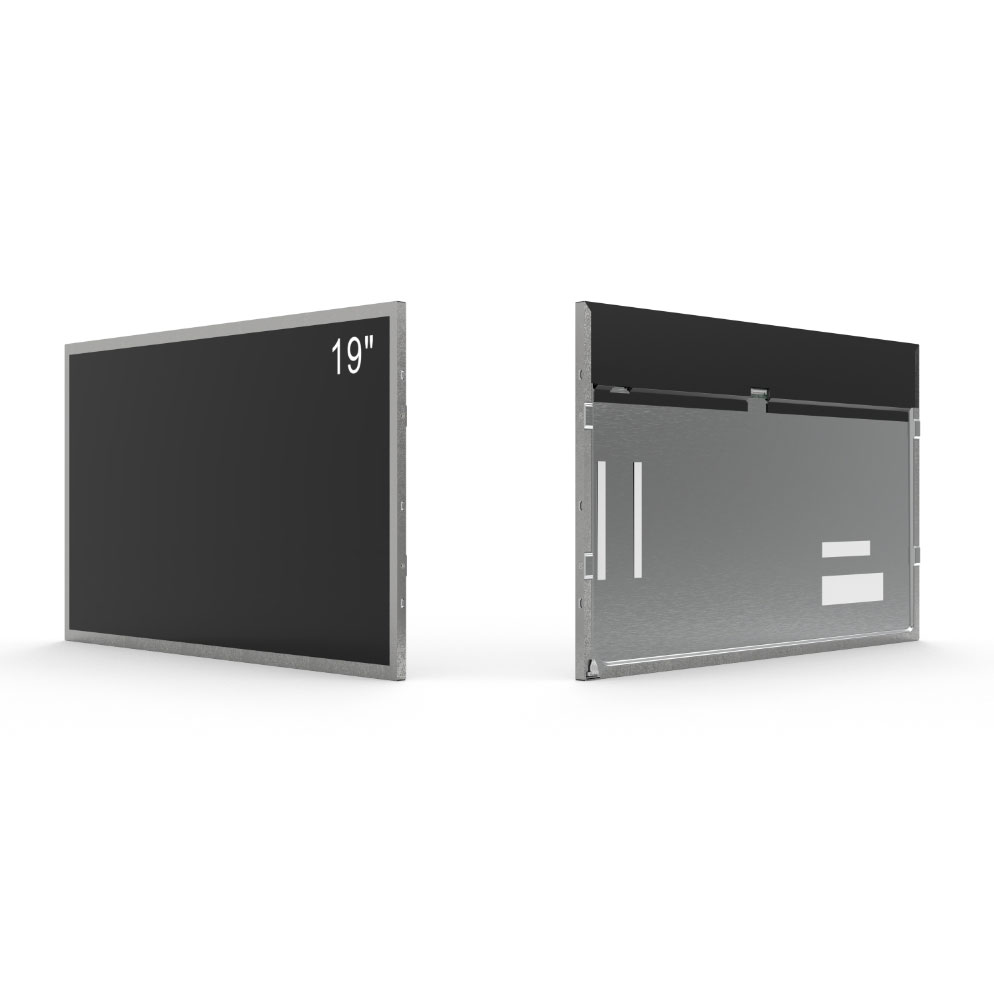
To achieve true IP66 compliance, manufacturers must address both mechanical and environmental challenges. Key design considerations include:
- Sealed bezels: Using silicone gaskets or O-rings around the screen frame to eliminate gaps where moisture can penetrate.
- Watertight enclosures: Employing aluminum or stainless steel housings with precision-machined joints and sealed cable glands.
- High-quality materials: Selecting UV-resistant polycarbonate or acrylic covers that resist yellowing and cracking under prolonged sun exposure.
- Environmental testing: Conducting rigorous salt spray tests (per ASTM B117), temperature cycling (-30°C to +70°C), and water jet tests (ISO 20653) to simulate real-world conditions.
Case Study: A leading OEM in North America recently upgraded their outdoor kiosk system to IP66-rated displays for use in coastal cities. By integrating IP66-rated LCD modules with IP68-rated power supplies and using conformal coatings on PCBs, they reduced field failures by over 70% compared to previous models lacking full enclosure sealing.
It’s important to note that while brightness (typically 5,000–10,000 nits for sunlight readability) is crucial for visibility, it also increases internal heat. Thus, thermal management—such as passive heat sinks or active cooling via small fans—is essential to maintain long-term reliability without compromising the IP66 seal integrity.
Ultimately, successful IP66 waterproofing requires a holistic approach that combines material science, mechanical engineering, and stringent testing protocols. Whether designing for public transit, defense applications, or agricultural IoT systems, meeting this standard ensures your high-brightness LCD display will not only perform in bright daylight but survive the elements too.