

When selecting an LCD monitor, display ratio is a critical factor that impacts usability, productivity, and visual comfort—especially in the commonly used screen sizes of 15, 17, and 19 inches. The 4:3 aspect ratio, once standard in early computer displays, remains relevant today in specific professional and legacy environments such as medical imaging, industrial control systems, and certain educational setups. For users seeking clarity, consistent pixel mapping, and compatibility with older software, a 4:3 ratio offers distinct advantages over modern widescreen formats like 16:9 or 16:10.
In the 15-inch category, a 4:3 LCD monitor typically provides a resolution of 1024×768 pixels (XGA), offering a sharp and balanced view for text-heavy tasks like programming, spreadsheet work, or document editing. This size is still preferred in embedded systems and compact workstations where desk space is limited but high readability is essential. Similarly, 17-inch models with 4:3 ratios often support 1280×1024 (SXGA) resolution, making them ideal for multi-tasking applications such as CAD design, accounting software, or data analysis tools that rely on vertical screen real estate.
The 19-inch 4:3 display represents a sweet spot between legacy compatibility and enhanced visibility. With a native resolution of 1280×1024 or even 1440×1080 in some higher-end models, it delivers improved clarity while maintaining the vertical layout benefits of 4:3. These monitors are frequently found in medical diagnostics, where precise image rendering and standardized viewing areas are crucial for accurate interpretation of X-rays, ultrasounds, or MRI scans.
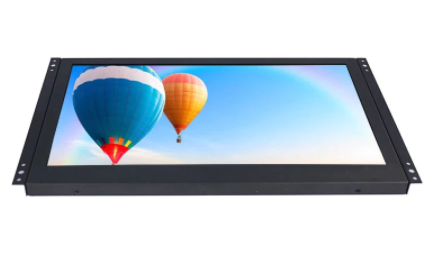
According to industry reports from DisplaySearch (now part of IHS Markit), the 4:3 ratio maintains a niche but stable market share in specialized sectors due to its superior text rendering and uniform scaling across legacy applications. In contrast, consumer markets have largely shifted to widescreen formats for media consumption, but professionals working in finance, engineering, and healthcare continue to favor 4:3 for workflow efficiency.
Environmental testing by manufacturers like LG and Dell shows that 4:3 LCDs exhibit lower power consumption per pixel compared to their widescreen counterparts when operating at similar resolutions, contributing to longer lifespan and reduced heat generation—a key consideration for 24/7 operational systems. Additionally, many 19-inch 4:3 monitors now feature LED backlighting, wide viewing angles (up to 170°), and HDMI/DVI connectivity, ensuring compatibility with modern hardware while preserving the benefits of the traditional format.
Whether upgrading old systems or designing new workstations, choosing the right display ratio—particularly 4:3 for 15, 17, or 19-inch screens—can significantly improve task performance, reduce eye strain, and ensure long-term operational reliability across diverse industries.