
Selecting the appropriate LCD panel for your display application is a critical step that directly impacts performance, cost, and user experience. Whether you're designing consumer electronics, industrial equipment, or automotive interfaces, understanding the key factors in LCD selection ensures optimal results.
The introduction begins with a simple truth: not all LCD panels are created equal. From TN (Twisted Nematic) to IPS (In-Plane Switching), each technology offers distinct advantages depending on the use case. For example, TN panels are known for fast response times—ideal for gaming—but often suffer from poor viewing angles and color accuracy. In contrast, IPS panels provide superior color reproduction and wide viewing angles, making them perfect for graphic design or professional monitors.
Moving into the main body, several technical specifications must be evaluated before finalizing a choice. First is resolution: higher resolutions like 4K or QHD are essential for applications demanding detail clarity, such as medical imaging or high-end digital signage. Second, brightness (measured in nits) matters greatly—industrial displays may require 1000+ nits for outdoor visibility, while office monitors typically need only 250–300 nits. Third, contrast ratio influences image depth; a high contrast ratio (e.g., 1000:1 or higher) enhances visual appeal in both dark and bright environments. Fourth, viewing angle (in degrees) determines usability across different positions—a 178° viewing angle is now standard in most modern panels. Finally, environmental resilience, including operating temperature range (-20°C to +70°C for industrial models), should align with deployment conditions.
Additionally, power consumption and longevity must be considered. For battery-powered devices, low-power panels like OLEDs or e-Ink hybrids offer energy efficiency gains. For continuous-use applications like kiosks or factory automation, reliability metrics such as MTBF (Mean Time Between Failures) exceeding 50,000 hours are crucial. Industry standards like ISO 9241-3 for ergonomics or MIL-STD-810 for ruggedness can guide compliance decisions. Real-world examples include the use of LG’s IPS panels in Apple’s iPad Pro for vibrant color accuracy, or Sharp’s TN panels in budget gaming monitors where speed trumps precision.
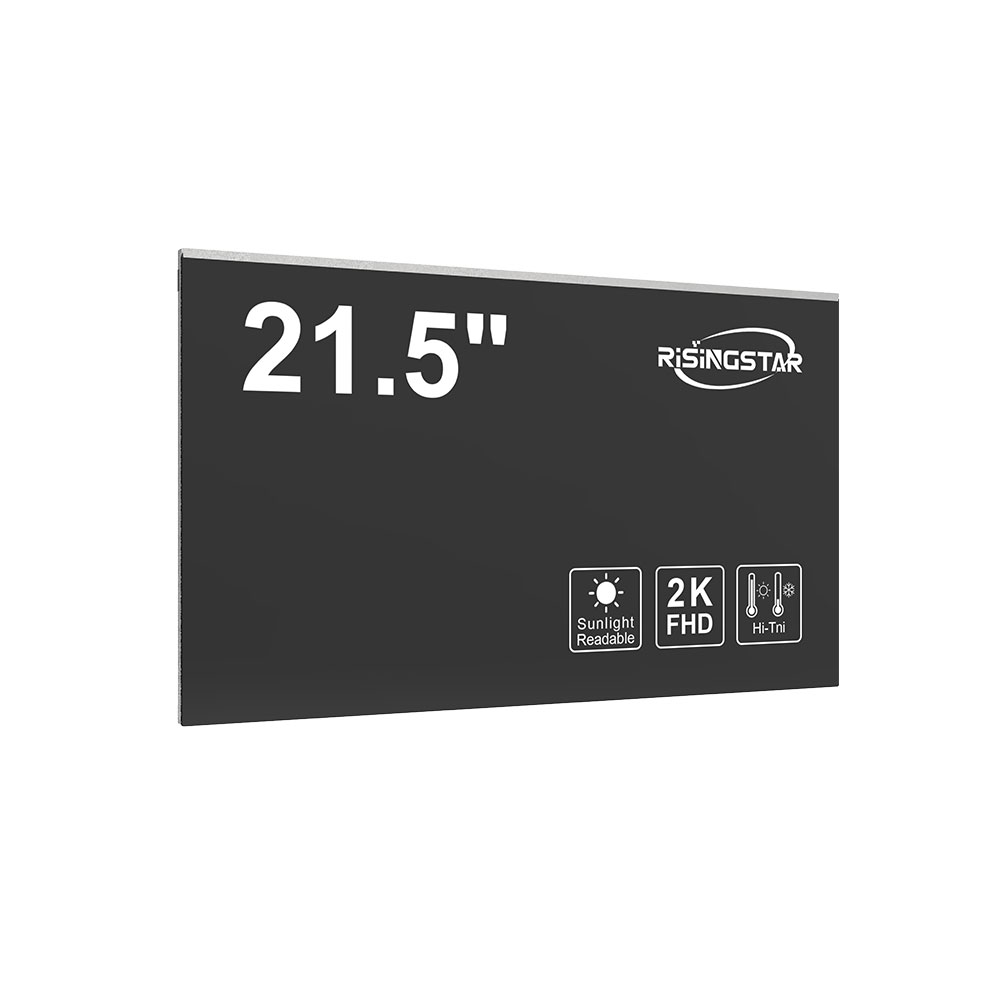
The conclusion emphasizes that there is no universal “best” LCD panel—it depends on your application's specific needs. Always prioritize your core requirements: whether it’s responsiveness for gaming, clarity for healthcare, or durability for manufacturing. By methodically evaluating technologies, specs, and real-world benchmarks, engineers and designers can confidently select an LCD panel that delivers both performance and value.