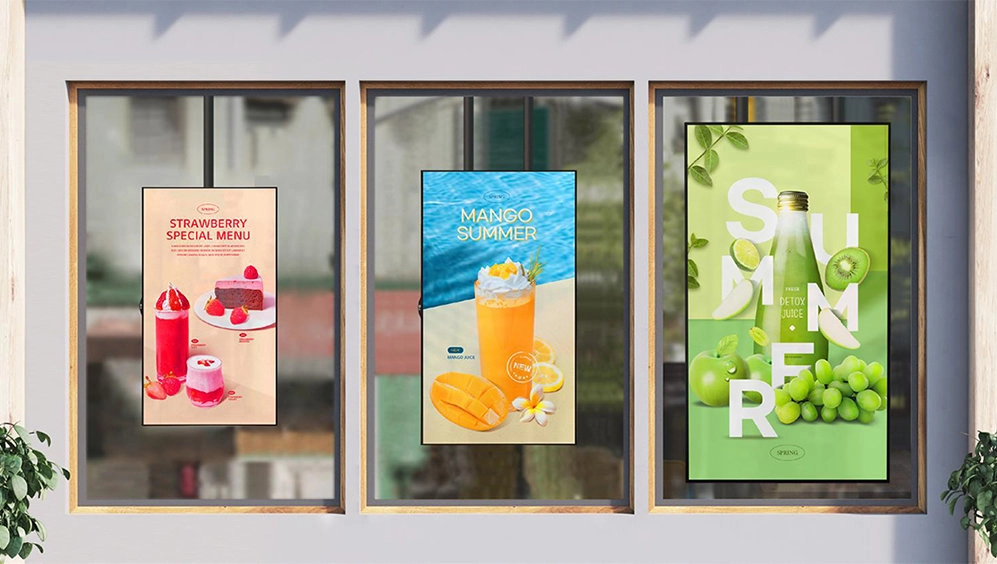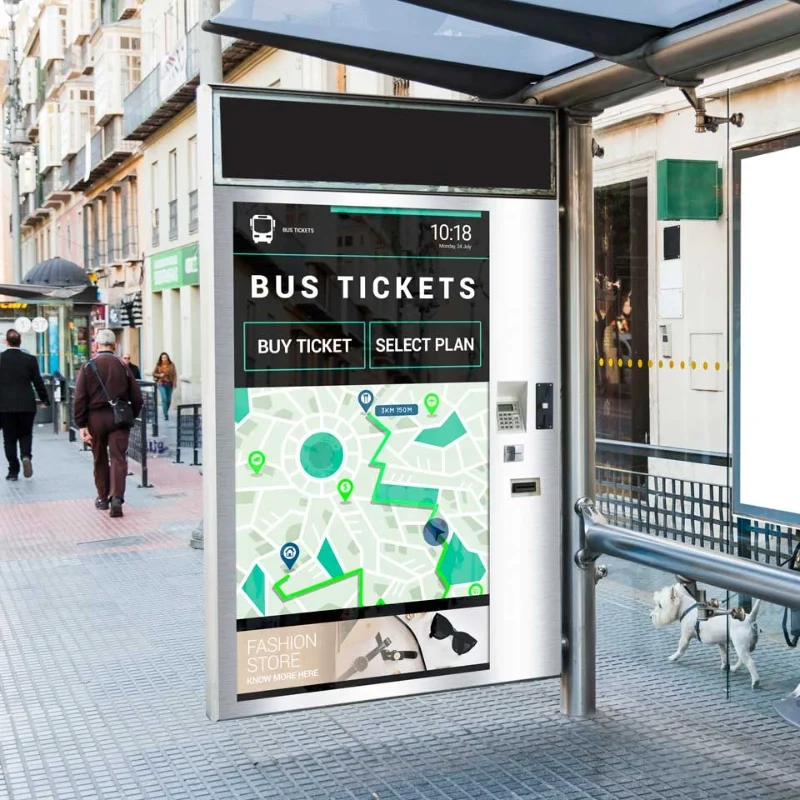

When selecting an LCD panel for industrial applications, it's essential to consider several technical and environmental factors that directly impact performance, longevity, and reliability. Unlike consumer-grade displays, industrial LCDs must operate in harsh environments—ranging from extreme temperatures to high vibration levels—and often require 24/7 operation without failure.
First, evaluate the display’s brightness and contrast ratio. For outdoor or high-ambient-light environments, a brightness level of at least 1000 nits is recommended. Panels using IPS (In-Plane Switching) technology typically offer superior color accuracy and wide viewing angles, making them ideal for control panels in manufacturing or medical equipment. For cost-sensitive projects with less stringent visual requirements, TN (Twisted Nematic) panels may suffice but are limited in viewing angle and color consistency.
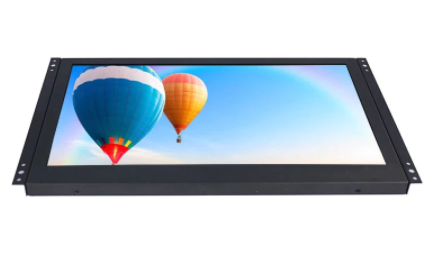
Second, assess the panel’s operating temperature range. Industrial-grade LCDs should function reliably between -30°C and +70°C. Look for panels with active heating elements or cold-weather compatibility if deployed in refrigerated or arctic conditions. According to the IEC 60068-2-1 standard, environmental stress testing should confirm durability under thermal shock and humidity cycling.
Third, consider mechanical robustness. Vibration resistance is critical in mobile machinery or transportation systems. Use panels with anti-vibration mounts and reinforced glass such as Gorilla Glass or chemically strengthened soda-lime glass. The MIL-STD-810G military standard provides a benchmark for mechanical durability testing, including shock and drop resistance.
Fourth, examine power consumption and efficiency. Low-power LCDs with LED backlighting can reduce total system energy use by up to 30% compared to older CCFL-backlit models. This is especially important for battery-powered devices like portable diagnostic tools or field sensors.
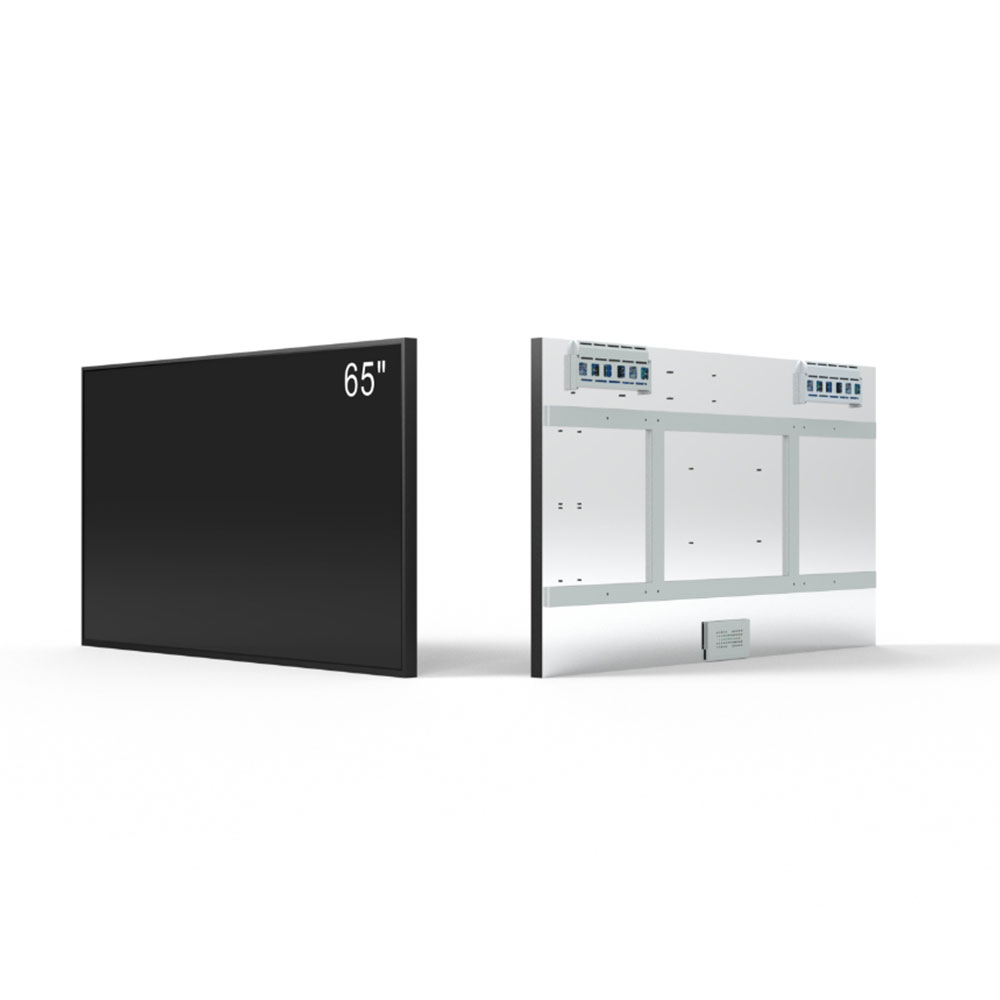
Fifth, ensure compatibility with your system’s interface. Common interfaces include LVDS, eDP, and MIPI DSI. Verify that your embedded processor supports the selected interface and that drivers are available for seamless integration. For example, NVIDIA Jetson modules support both eDP and LVDS, while Raspberry Pi requires additional hardware for certain panel types.
Finally, look for certifications such as CE, FCC, RoHS, and IP65 for dust/water resistance. These ensure compliance with international safety and environmental regulations. Real-world case studies from companies like Siemens and Rockwell Automation show that investing in certified industrial panels reduces long-term maintenance costs by over 40%.
By following these guidelines, engineers and procurement teams can choose LCD panels that not only meet immediate needs but also provide resilience across years of demanding industrial use.