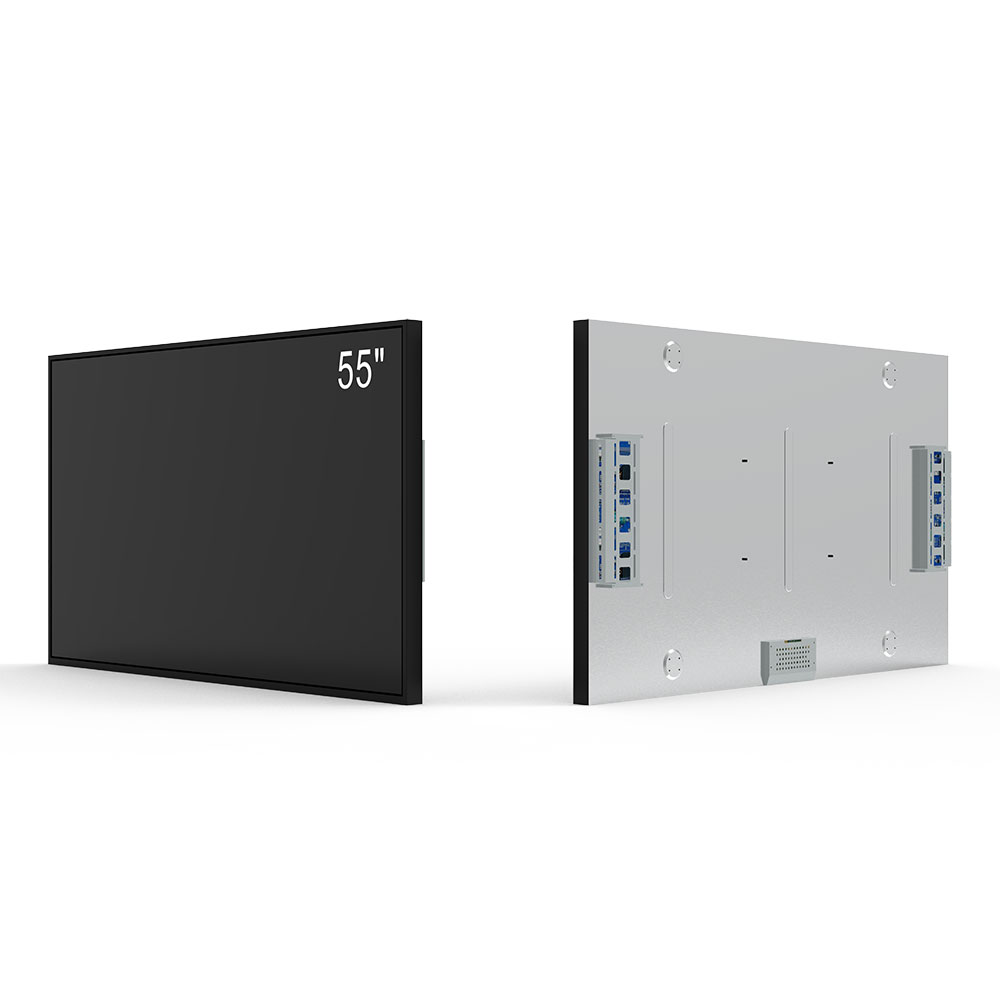
In the evolving landscape of display technology, the 4:3 aspect ratio remains a vital format for specialized applications in industries such as healthcare, industrial control systems, legacy computing, and point-of-sale (POS) environments. Unlike modern widescreen displays with 16:9 or 16:10 ratios, 4:3 screens maintain a square-like geometry that was standard in early computer monitors and CRTs before the shift to wider formats. This article explores why 4:3 displays—particularly those in 15-inch, 17-inch, and 19-inch sizes—are still relevant today.
For professionals working with legacy software like older versions of Microsoft Windows, CAD tools, or medical imaging systems, maintaining compatibility with 4:3 resolution is essential. A 15-inch 4:3 LCD offers a compact footprint ideal for space-constrained workstations, while preserving the full vertical screen real estate needed for spreadsheets, code editors, and multi-window workflows. Meanwhile, a 17-inch model strikes a balance between portability and visibility, making it suitable for desktop use in retail or manufacturing settings where clarity and durability matter. The 19-inch variant provides the most screen area without excessive bulk, often preferred in kiosks or industrial automation setups requiring long-term reliability under continuous operation.
These displays are typically built using TN (Twisted Nematic), IPS (In-Plane Switching), or VA (Vertical Alignment) panels, each offering different trade-offs in viewing angles, response times, and color accuracy. For instance, IPS panels on 19-inch 4:3 displays offer superior color consistency—critical in graphic design or diagnostic imaging—while TN panels provide faster refresh rates, ideal for dynamic data visualization. Additionally, many manufacturers now include features such as wide temperature tolerance, anti-glare coatings, and VESA mount compatibility to enhance usability in harsh environments like factory floors or outdoor digital signage.
According to a 2023 report by Grand View Research, the global market for industrial-grade LCDs with non-standard aspect ratios—including 4:3—is projected to grow at a CAGR of 5.8% through 2030, driven by demand from embedded systems and IoT devices. Major brands like LG, Dell, and Innolux continue to support this niche, producing ruggedized 4:3 displays designed for 24/7 operation with MTBF (Mean Time Between Failures) exceeding 50,000 hours.
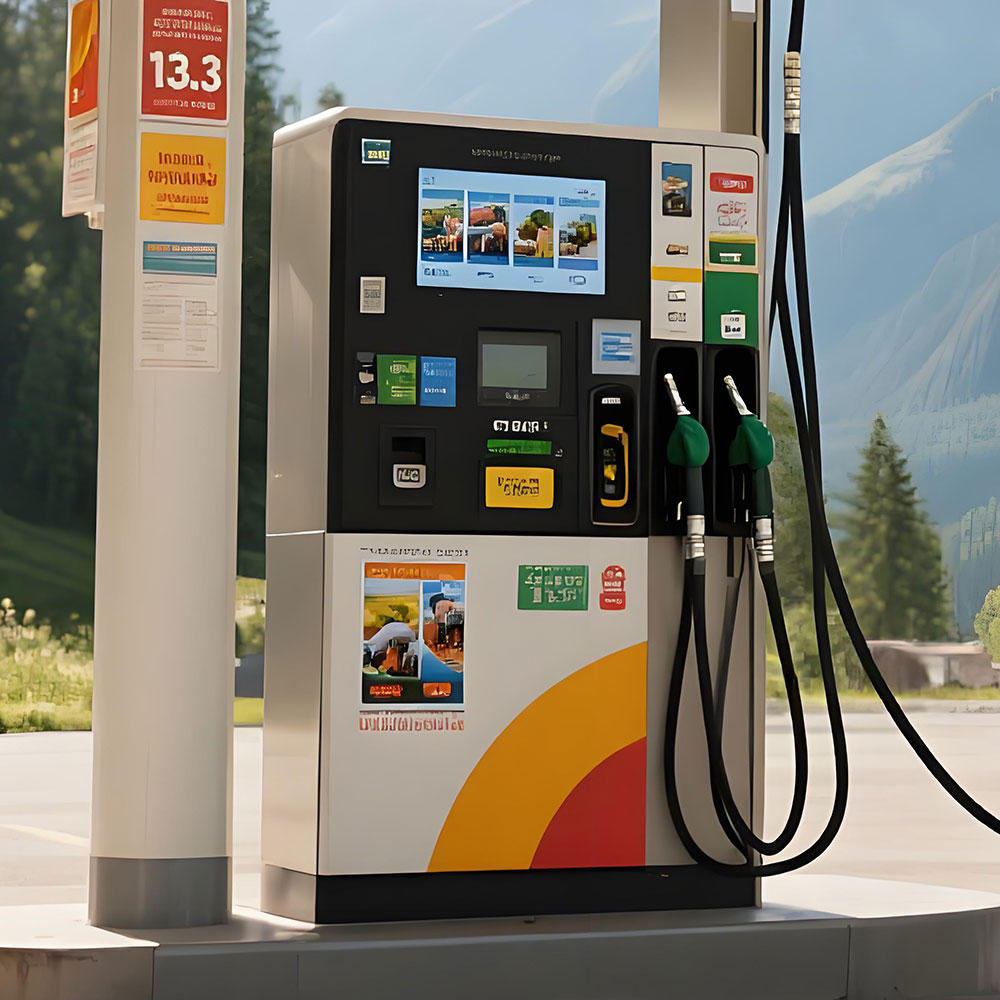
Customers reviewing these models on platforms like Amazon and B&H Photo consistently highlight their reliability in mission-critical tasks. One user noted: “I replaced my aging 17-inch CRT with this 4:3 LCD—it’s brighter, consumes less power, and fits perfectly in our old POS system.” Another commented on the 19-inch unit: “Used in a warehouse inventory system; no flicker, even after months of continuous use.”
Whether you're maintaining legacy infrastructure or designing new systems that prioritize functional ergonomics over aesthetics, 4:3 LCDs in 15", 17", and 19" sizes remain indispensable. Their continued production and availability underscore a critical need for standardized display ratios in sectors where screen compatibility, operational stability, and cost-efficiency outweigh trend-driven design changes.