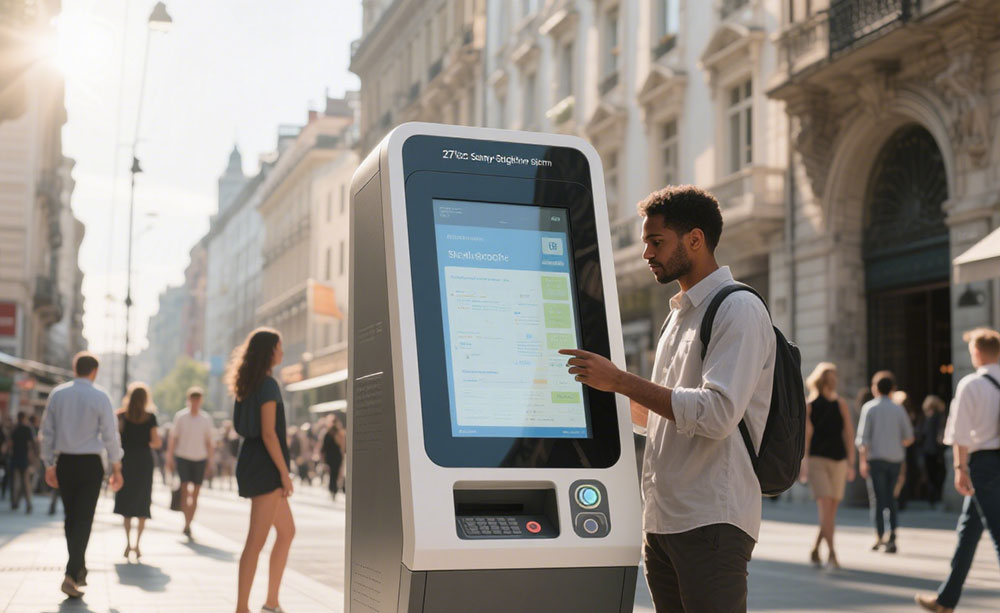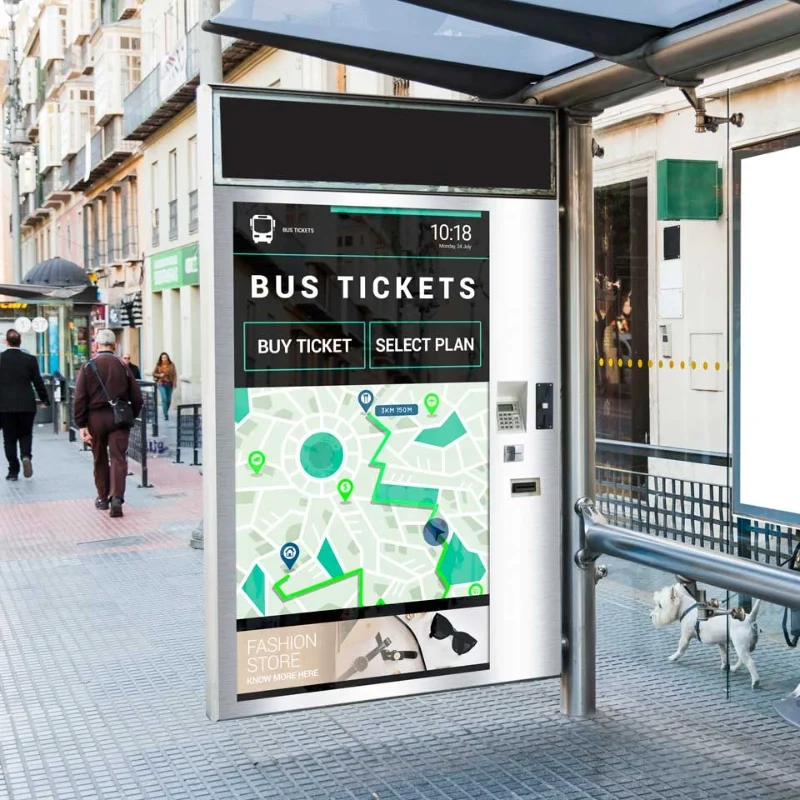
In today’s increasingly connected world, the demand for reliable and durable display solutions has surged—especially in industrial automation, outdoor signage, and automotive environments. Among the most sought-after specifications is IP66 waterproof rating, a standard defined by the International Electrotechnical Commission (IEC) that ensures protection against powerful water jets and total dust ingress.
An IP66-rated LCD display offers robust performance even under harsh conditions. The first digit “6” means it is completely dust-tight, eliminating the risk of particle accumulation that can degrade touch sensitivity or cause internal short circuits. The second digit “6” indicates it can withstand water projected from a nozzle at high pressure—typically up to 12.5 liters per minute at 100 kPa—for at least 3 minutes without damage. This makes IP66 displays ideal for use in factories, marine environments, construction sites, and public transportation systems where moisture, dust, and mechanical stress are constant challenges.
Manufacturers such as LG Display, BOE Technology, and Sharp have integrated IP66-rated panels into their industrial-grade product lines. These displays often feature reinforced glass, sealed enclosures with gaskets, and advanced sealing techniques like silicone potting or epoxy encapsulation to ensure long-term reliability. For example, a 15.6-inch industrial touchscreen with IP66 protection is commonly used in vending machines, medical devices, and control panels where hygiene and durability are critical.
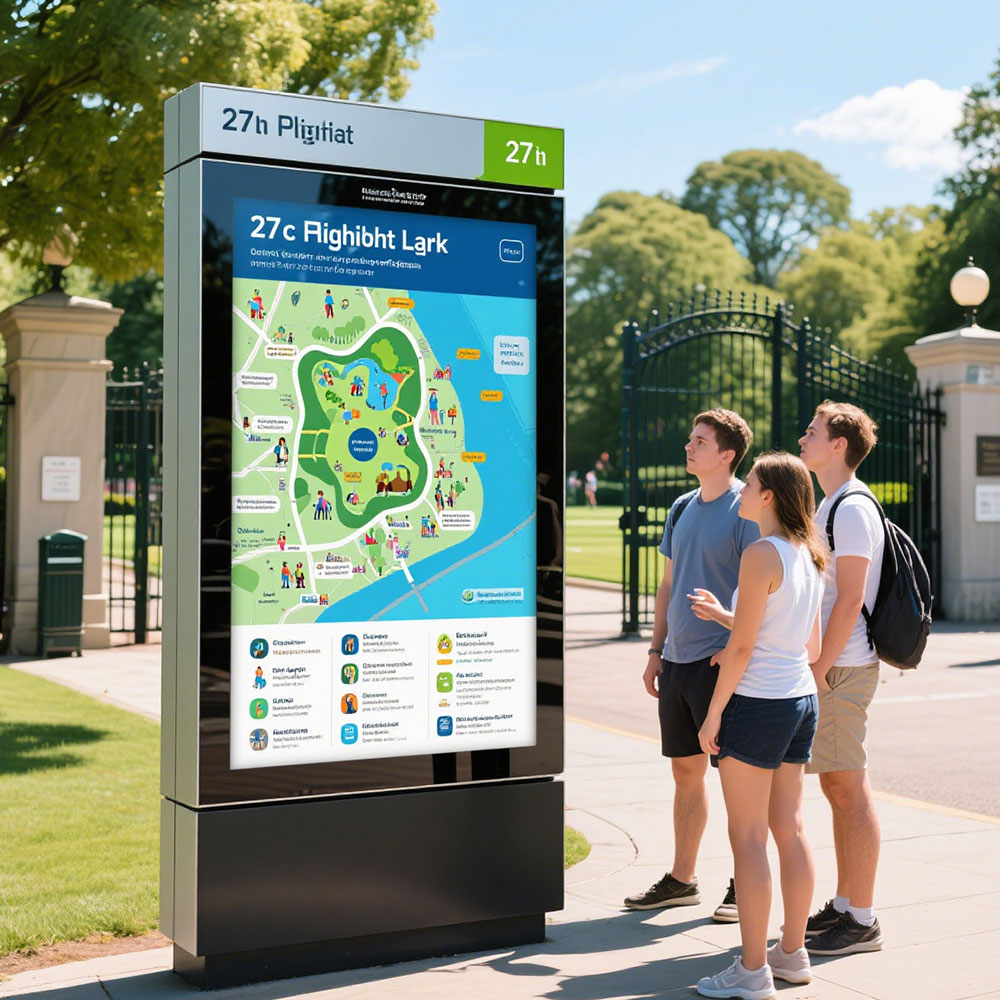
Moreover, IP66 compliance aligns with MIL-STD-810G environmental testing standards, making these displays suitable for military and aerospace applications. Unlike consumer-grade screens, which may fail after exposure to rain or humidity, IP66-rated units maintain consistent brightness, contrast, and response time—even in temperatures ranging from -20°C to +70°C.
When selecting an IP66 LCD, look for certifications from recognized bodies like UL, CE, and RoHS to ensure compliance with safety and environmental regulations. Additionally, consider features such as wide viewing angles (178°), high luminance (up to 4,000 nits for sunlight-readable models), and compatibility with ruggedized operating systems like Windows Embedded or Linux-based platforms.
In summary, IP66 waterproof LCD displays represent the gold standard for demanding environments. Whether deployed in food processing plants, outdoor kiosks, or vehicle dashboards, they offer unmatched resilience, clarity, and operational continuity. As industries continue to embrace IoT and smart infrastructure, investing in IP66-rated displays is not just a technical choice—it's a strategic one for long-term asset protection and user safety.