When selecting an LCD display for industrial equipment applications, overseas manufacturers and distributors must prioritize durability, clarity, and compatibility with harsh operating environments. Unlike consumer-grade displays, industrial LCDs are subjected to extreme temperatures, mechanical shock, vibration, and prolonged operational cycles—making performance consistency a non-negotiable requirement.
First, evaluate the display’s environmental resilience. Look for models rated for wide temperature ranges (typically -30°C to +70°C), high humidity resistance (up to 95% RH non-condensing), and protection against dust and water ingress (IP65 or higher). These specifications ensure reliable operation in outdoor machinery, factory automation systems, and mobile equipment such as construction vehicles or agricultural tools.
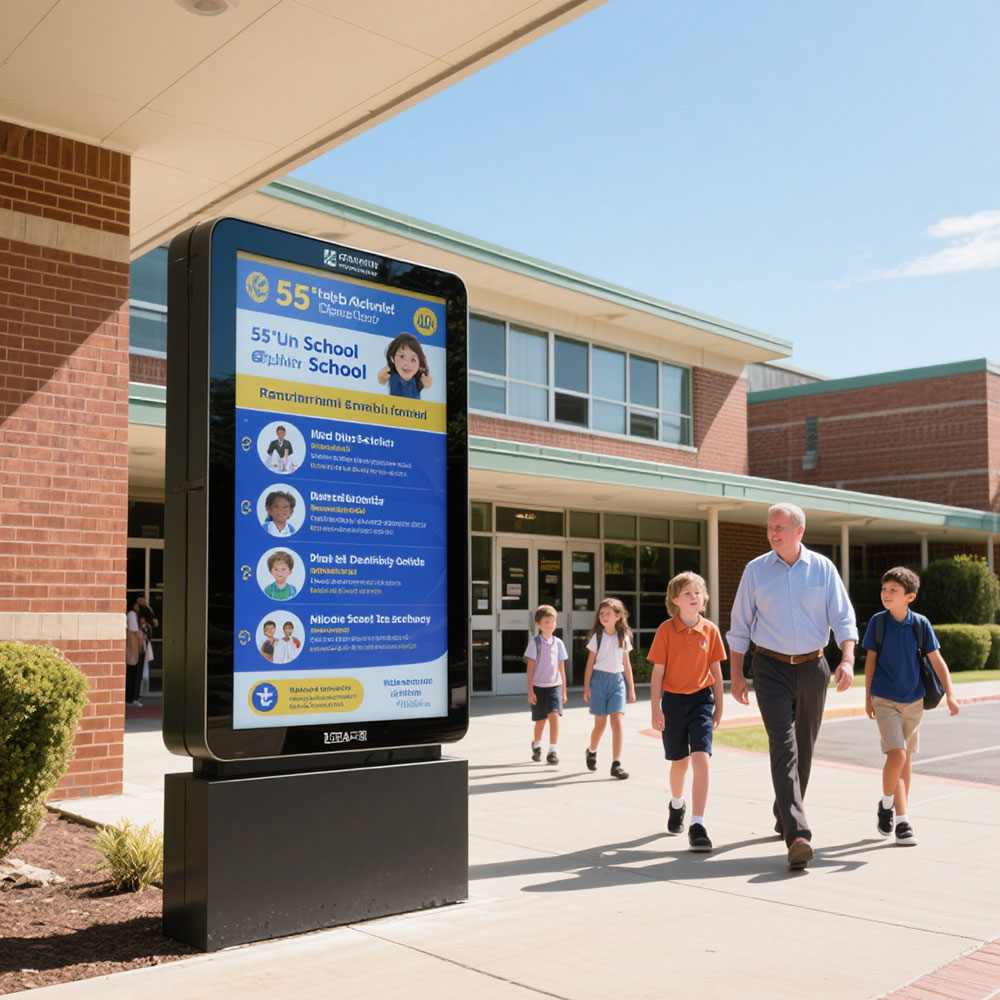
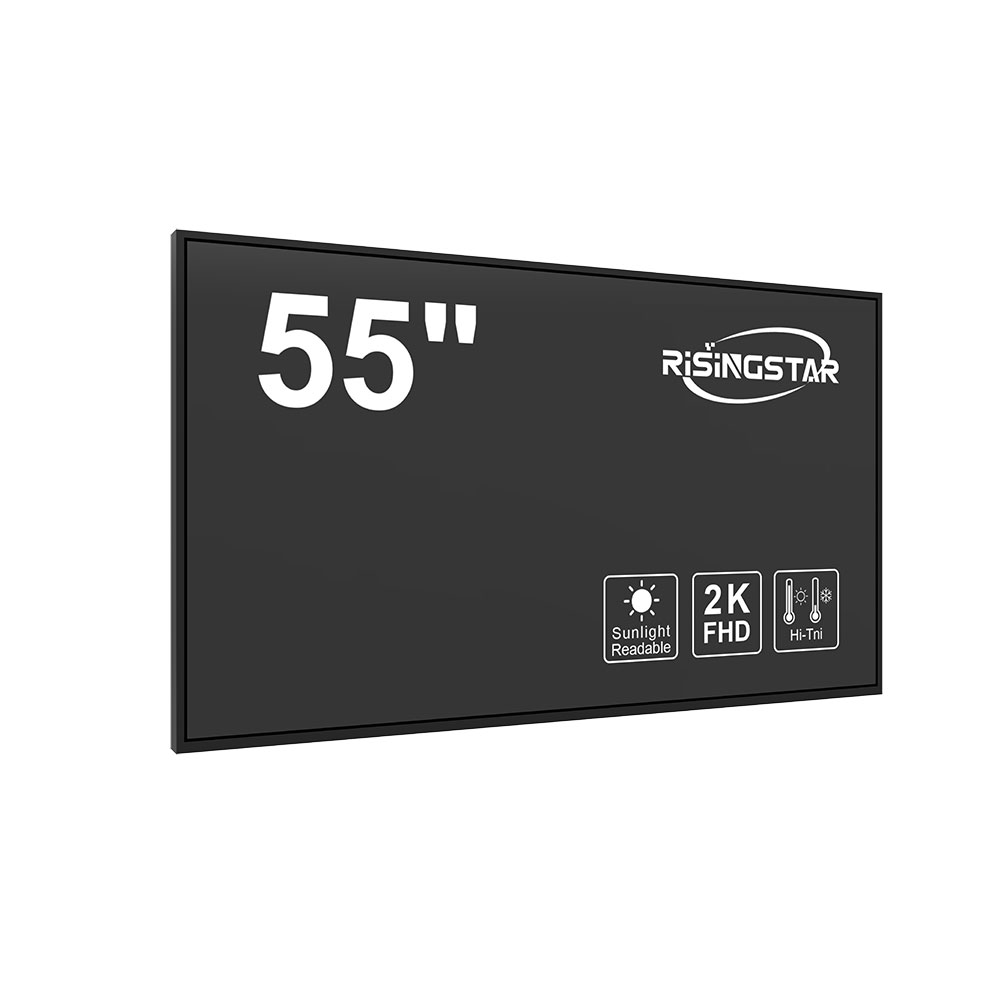
Second, consider brightness and contrast ratio. For devices used in bright daylight conditions—such as outdoor kiosks or vehicle dashboards—opt for displays with at least 1000 nits of brightness. High contrast ratios (e.g., 1000:1 or greater) enhance readability under varying lighting conditions, which is critical for safety and usability in industrial settings.
Third, ensure compatibility with your control system. Industrial LCDs often require specific interface protocols like LVDS, MIPI, or RGB. Confirm that the display supports your existing controller board or can be integrated into a new embedded design without additional conversion hardware. Some leading suppliers offer pre-tested modules with standardized connectors and firmware support, reducing integration time and risk.
Fourth, examine long-term availability and quality assurance. Choose suppliers with proven track records in industrial electronics—such as Sharp, LG Display, or Innolux—that provide 5–7 year product lifecycles and robust quality management systems (ISO 9001 certified). This ensures supply chain stability and minimizes obsolescence risks for products with extended life cycles.
Finally, review real-world user feedback from other OEMs. Platforms like Digi-Key, Mouser, and Alibaba’s B2B marketplace feature verified reviews from engineers who have deployed these displays in actual production environments. Look for comments on thermal stability, touch responsiveness, and failure rates over 12+ months of continuous use.
By aligning technical specs with real-world deployment needs, international equipment manufacturers can reduce downtime, improve end-user satisfaction, and build competitive advantage through superior display solutions.