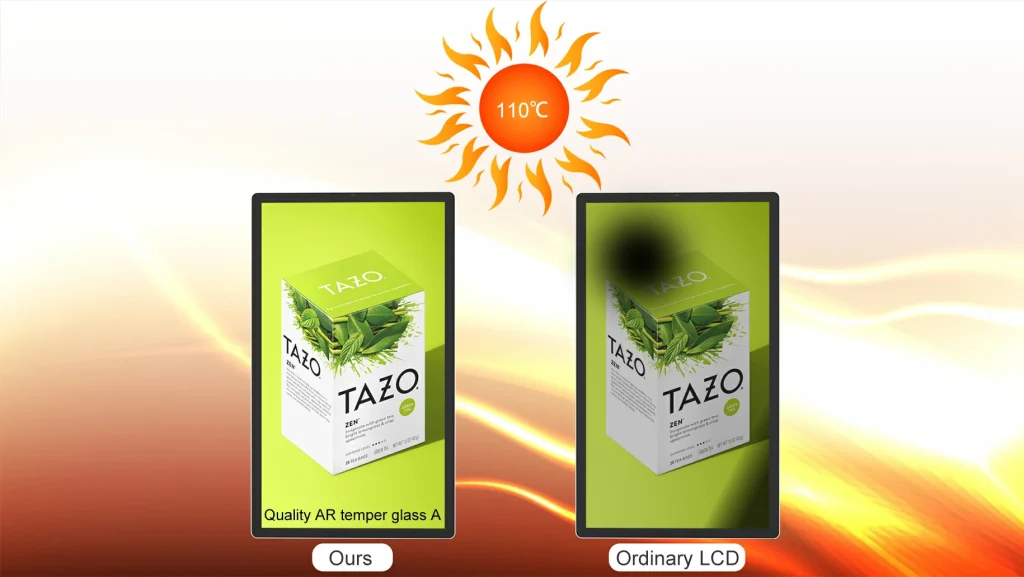

When selecting an LCD display for industrial applications, it's essential to consider not only the screen size and resolution but also environmental resilience, power efficiency, and long-term reliability. Industrial-grade LCDs are commonly used in automation systems, medical equipment, transportation control panels, and outdoor kiosks—environments that demand high durability and consistent performance under extreme temperatures, humidity, and vibration.
One of the key advantages of modern industrial LCDs is their wide operating temperature range—typically from -20°C to 70°C—which allows them to function reliably in harsh conditions like manufacturing plants or cold storage facilities. Unlike consumer-grade displays, these units often feature anti-glare coatings, sealed enclosures (IP65 or higher), and ruggedized touchscreens compatible with gloves or styluses. For example, the LG Electronics LQ104V1LQ1A and the Innolux LTN101AT01 have been widely adopted in automotive diagnostics and factory floor monitoring due to their high brightness (up to 3,000 nits) and superior contrast ratios.
However, common issues include backlight degradation over time, especially in high-temperature environments, and limited compatibility with legacy control systems. To mitigate this, manufacturers now integrate LED-backlit technology and support standardized communication protocols such as RS-485, HDMI, and LVDS. Recent trends show a rise in the use of OLED and micro-LED technologies for specialized applications like AR/VR headsets in maintenance training or digital signage in smart cities.
According to a 2023 report by MarketsandMarkets, the global industrial LCD market is projected to reach $22 billion by 2028, driven by increasing automation and Industry 4.0 adoption. Leading suppliers like Samsung, BOE, and AU Optronics are investing heavily in AI-integrated displays that can self-monitor pixel health and predict failures before they occur—an emerging trend known as predictive maintenance through embedded sensors.
For end-users, choosing the right display means balancing cost, longevity, and performance. Conducting real-world stress tests—such as thermal cycling, humidity exposure, and drop resistance—is critical before deployment. Additionally, working with certified OEM partners ensures compliance with IEC 60068 and MIL-STD-810 standards, which are vital for mission-critical operations.
In summary, while industrial LCDs offer powerful benefits—including robustness, adaptability, and energy efficiency—their selection must be guided by application-specific needs, supported by rigorous testing and up-to-date technological trends.