The global demand for high-reliability LCD panels has surged in recent years, driven by the expansion of industrial automation, advanced automotive infotainment, and harsh-environment edge devices. Unlike consumer-grade displays, which prioritize cost and brightness for indoor use, industrial and automotive LCDs must withstand extreme temperatures, mechanical stress, and prolonged operation without degradation, adhering to strict international industry standards.
Core standards govern every phase of high-reliability LCD design and validation. For automotive applications, the AEC-Q100 qualification (a global standard from the Automotive Electronics Council) is non-negotiable. This standard classifies LCDs by performance under extreme conditions: Grade 1 panels, for example, operate reliably between -40°C and 125°C, while Grade 2 targets -40°C to 105°C, with mandatory thermal cycling testing to ensure no pixel defects or display distortion after 500 repeat cycles. For industrial displays, the ISO 9241 series (specifically ISO 9241-302 for pixel performance and ISO 9241-303 for ergonomic viewing) defines minimum requirements for contrast ratio, color accuracy, and off-axis visibility, critical for logistics terminals and manufacturing control rooms. Environmental testing protocols from JEDEC (Joint Electron Device Engineering Council), such as JESD22-A104 for temperature cycling and JESD22-A101 for mechanical shock, validate a panel’s resilience: per JEDEC data, industrial LCDs meeting these standards can survive up to 1500G of shock force, making them suitable for heavy machinery and off-road vehicles.
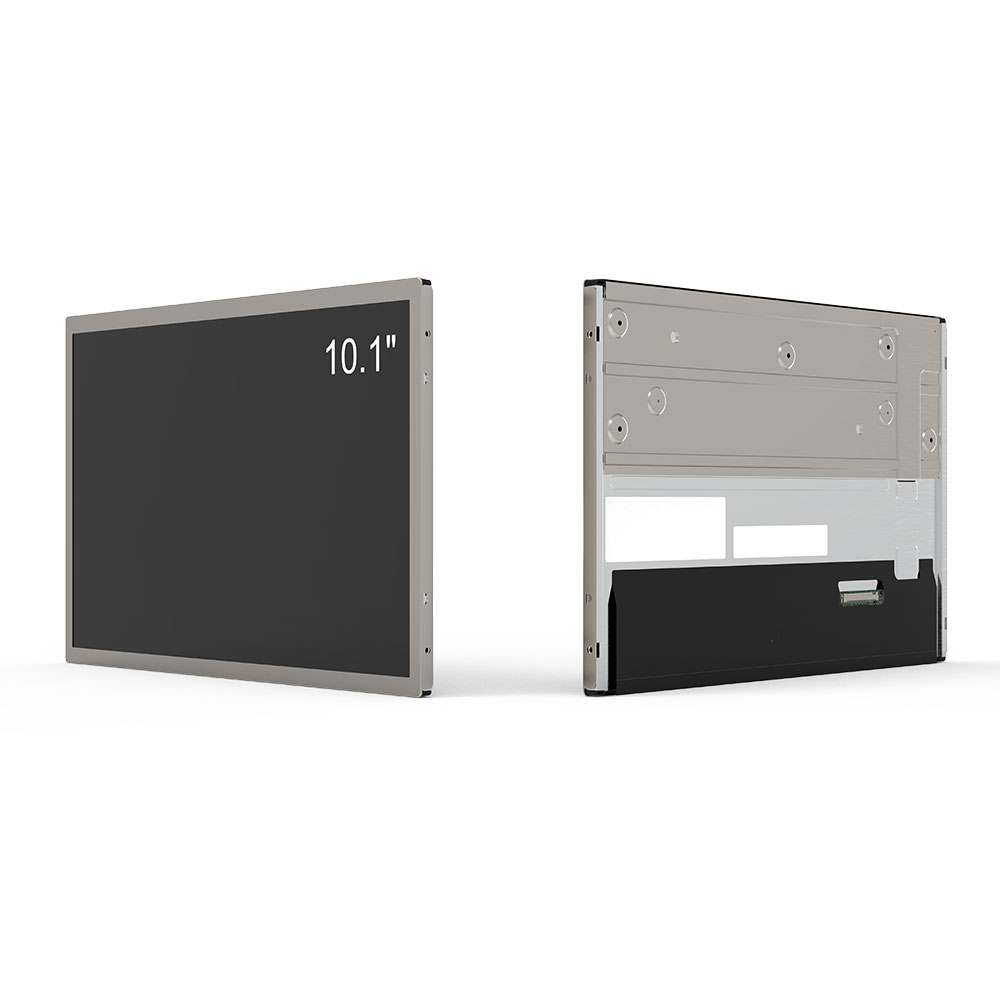
Real-world case studies illustrate how these standards translate to reliable, field-proven displays. In 2023, Samsung Display’s automotive division deployed a 12.3-inch AEC-Q100 Grade 1 LCD panel in the infotainment system of Hyundai Motor’s 2024 Palisade SUV. This panel underwent 2000 hours of salt spray testing (per ISO 9227) to simulate coastal road conditions, resulting in zero corrosion or display failure. Hyundai’s 2023 Supplier Quality Report noted that this LCD reduced infotainment-related field complaints by 32% compared to the previous generation, with a mean time between failures (MTBF) of 110,000 hours, exceeding the Telcordia GR-1222 standard for automotive displays. Another example: a 10.1-inch industrial LCD from Tianma Microelectronics, used in DHL’s cross-border logistics sorting terminals, passed 1000 hours of continuous operation at 85°C and 90% relative humidity (per IEC 60068-2-78), maintaining 99.8% pixel integrity—well above the 98% threshold required for industrial material handling equipment.

Sustainability is another key pillar of modern high-reliability LCD design, aligned with global regulatory frameworks. Most leading manufacturers now adhere to RoHS 2 (EU Restriction of Hazardous Substances) and REACH (Registration, Evaluation, Authorization, and Restriction of Chemicals), eliminating lead, mercury, and other toxic materials from panel production. Additionally, Energy Star 8.0 compliance ensures industrial and automotive LCDs consume up to 18% less power than non-compliant models, reducing the carbon footprint of long-running applications. For example, BOE’s 2024 line of industrial LCD panels uses 30% recycled glass substrates (per IPC-4101 standards) and lead-free soldering processes, meeting both environmental and performance requirements.
Looking ahead, the next generation of high-reliability LCDs will integrate mini-LED backlighting to boost contrast ratios by 45% while maintaining the ruggedness of current standards, targeting autonomous vehicle cockpit displays and smart factory control systems. As demand for durable, energy-efficient displays grows, adherence to these rigorous standards will remain critical to ensuring LCD panels perform consistently in the harshest operating environments.