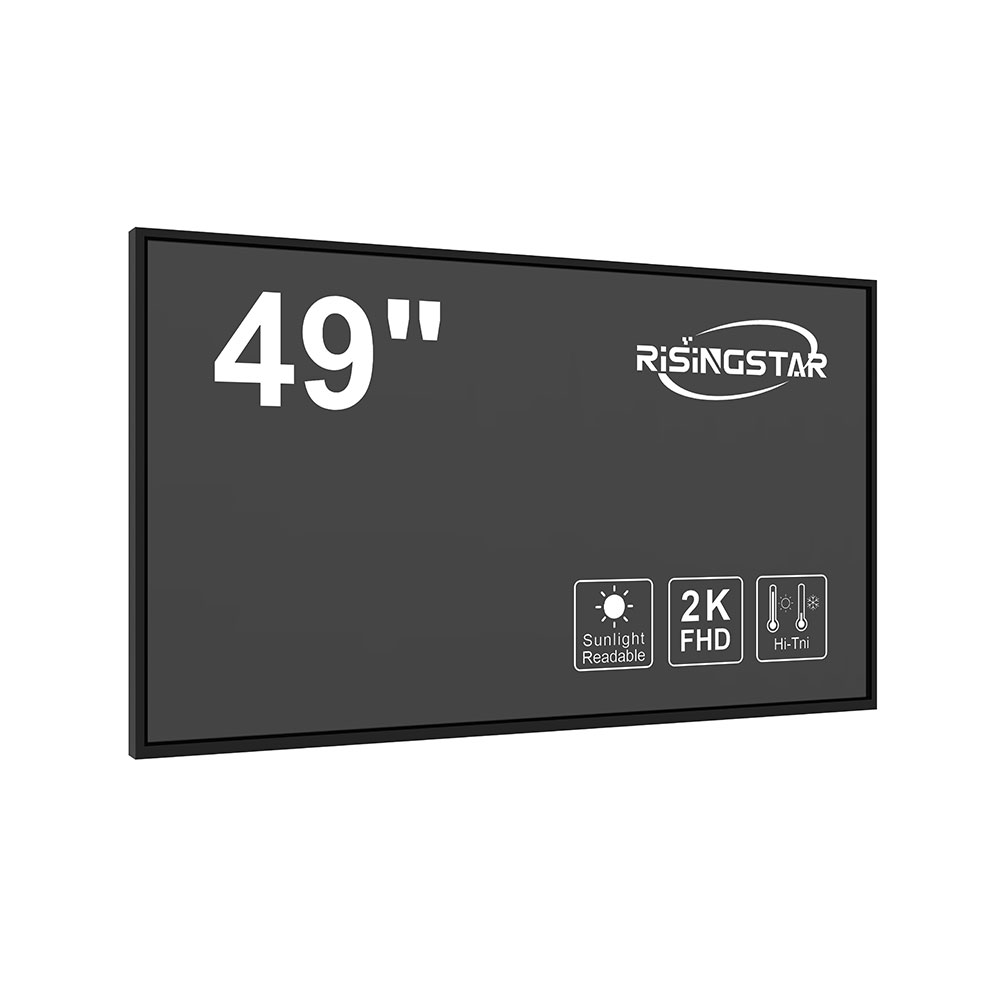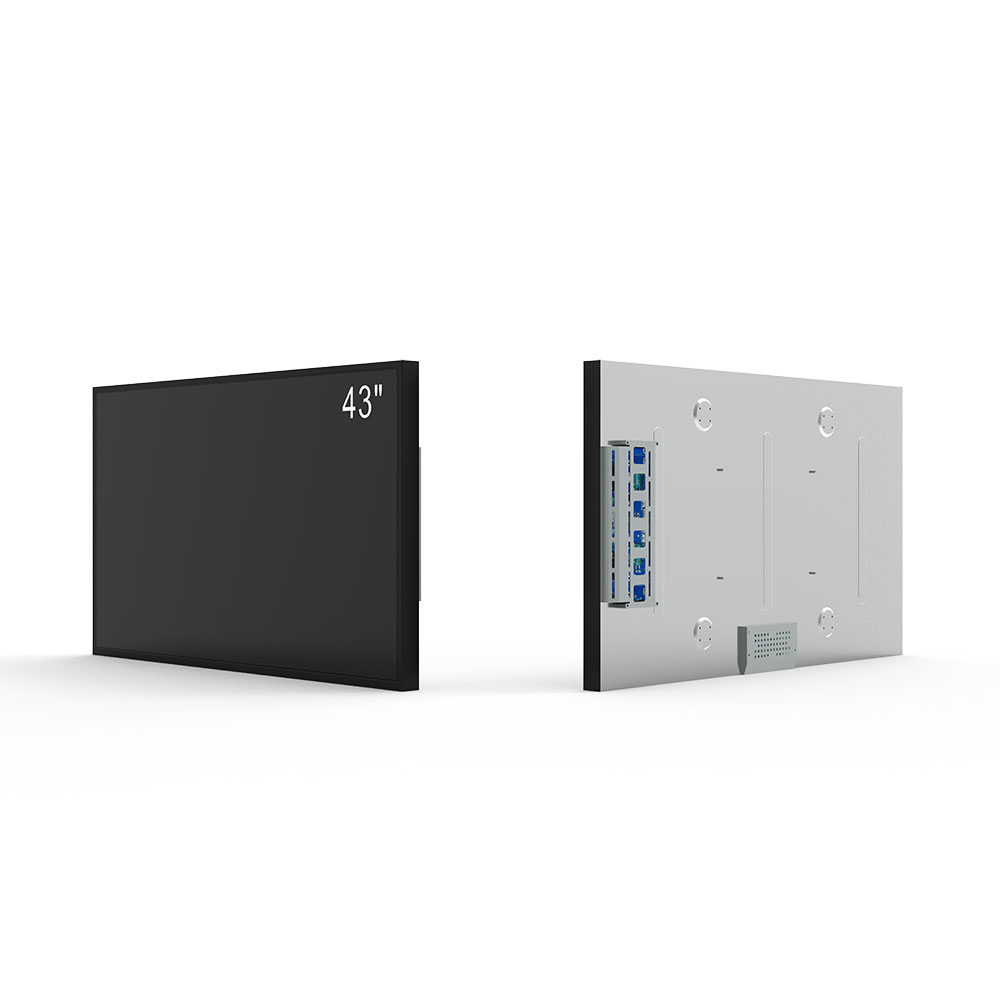
The global demand for display solutions that balance clarity, scalability, and sector-specific performance has made dual 2K (QHD, 2560×1440) and 4K (UHD, 3840×2160) resolution options a cornerstone of modern LCD design. Per the 2024 Global LCD Display Market Report from Display Supply Chain Consultants (DSCC), this segment saw an 18% year-over-year growth in 2023, outpacing single-resolution display categories by 7 percentage points, driven by automotive, medical, and industrial end-users. For automotive applications, where visibility and precision directly impact safety, 2K/4K LCD panels adhere to AEC-Q100 Grade 1, the industry’s strictest standard for automotive component reliability, withstanding temperature extremes from -40°C to 85°C and 5g vibration per IEC 60068-2-6. Continental AG’s 2024 next-gen instrument cluster lineup exemplifies this flexibility: a 12.3-inch 2K panel for core driving metrics like speed and navigation, paired with a 15.6-inch 4K infotainment display for streaming and ADAS alerts. Continental’s in-vehicle human factors study found this dual-resolution setup cut driver eye strain by 15% during 10-hour long-haul trips, reducing safety risks. In medical settings, compliance with IEC 60601-1 (safety for medical electrical equipment) is non-negotiable. Philips Medical Systems’ diagnostic LCD line integrates both resolutions strategically: 2K panels for real-time patient monitoring (critical for tracking vital signs at a glance on compact bedside units) and 4K panels for radiology and surgical imaging, enabling sub-millimeter detail for tumor and anomaly detection. A 2023 clinical study published in the Journal of Medical Imaging noted that 4K LCDs reduced diagnostic interpretation time by 22% compared to 2K alternatives, with 2K remaining ideal for mobile monitoring due to lower power consumption. For industrial human-machine interfaces (HMIs), 2K/4K options adapt to varying facility layouts and operational needs. FANUC’s 2024 industrial control line includes 7-inch 2K panels for compact, panel-mount HMIs on robotic assembly lines and 27-inch 4K displays for large control rooms monitoring entire production facilities. These panels carry IP65 front protection (resistant to dust and liquid splashes from factory operations) and support 178° wide viewing angles for shift workers across different positions. LG Display’s 2023 Sustainability Report highlights that standardized 2K/4K panel production reduces manufacturing waste by 19% by leveraging shared lines, making these displays cost-effective for small and mid-batch industrial orders. Technical validation for these displays extends to rigorous environmental testing: 1000-hour aging tests to ensure long-term color accuracy, UV resistance for outdoor signage applications, and EMC compliance (EN 55032) to avoid interference with nearby industrial machinery. For OEMs, Samsung Display’s flexible LCD lineup allows switching between 2K and 4K resolutions without redesigning the full panel architecture, cutting time-to-market by 25% per their 2024 manufacturing guide. As global industries evolve to demand more precise, adaptable display solutions, 2K and 4K resolution options are no longer a premium feature but a requirement for meeting performance, regulatory, and cost targets across automotive, medical, and industrial ecosystems.
News
Why 2K and 4K Resolution Options Are Essential for Versatile LCD Displays
July 14, 2026
2K 4K LCD displays
automotive grade LCD panels
medical diagnostic LCDs
industrial HMI displays
UHD QHD LCD options