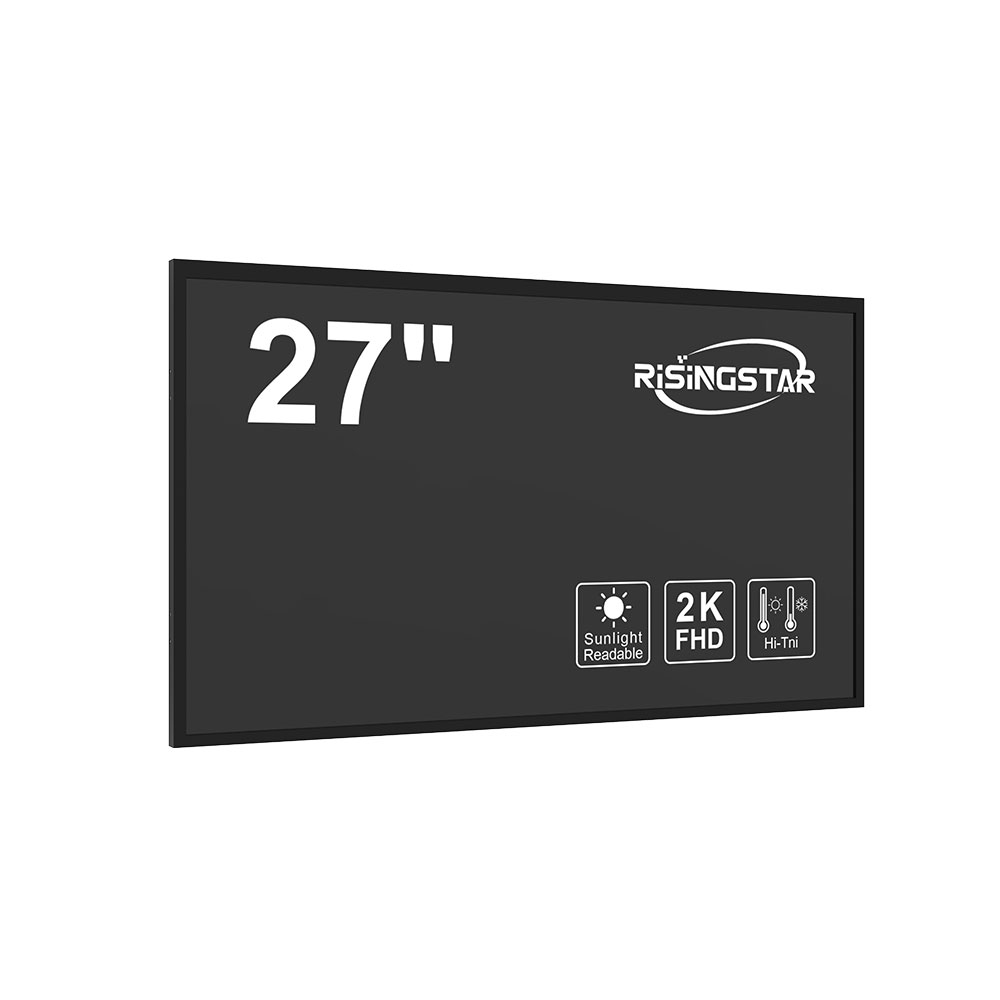
IP66 waterproof LCD panels represent a critical solution for harsh, moisture-rich or dust-heavy operating environments, aligned strictly with IEC 60529 (International Electrotechnical Commission) standards—the global benchmark for ingress protection (IP) ratings. Per IEC 60529, IP66 classification means two key attributes: full resistance to dust ingress (rated 6, the highest dust protection level) and protection against high-pressure, high-volume water jets (rated 6, with 100 liters per minute at 100 kPa pressure, from any direction at a 3-meter distance, with no harmful effects to internal components). For LCD technology, achieving IP66 requires specialized design and manufacturing to seal vulnerable areas, without compromising display performance or reliability. Omdia’s 2023 Rugged Industrial Display Market Report notes that IP66-rated LCDs account for 62% of the global outdoor rugged display segment, with a year-over-year growth rate of 8.2%—4.5% higher than non-rugged industrial LCDs—driven by demand in smart transportation, industrial IoT (IIoT), field medical devices, and port infrastructure. Technical design details for IP66 LCDs include dual-layer sealing gaskets made from UV-stabilized silicone rubber (compliant with UL 94 V-0 flame resistance standards) to prevent water or dust penetration at panel edges, connectors, and bezels. Protective cover glass is typically 0.7mm thick Gorilla Glass (Corning) with a Mohs hardness of 7, resisting scratches from heavy industrial tools or outdoor debris. Internal circuits and flex cables are coated with a hydrophobic conformal coating (e.g., parylene C) to add an extra layer of water resistance, while display drivers are optimized to maintain contrast and color accuracy even after 1000 hours of environmental stress testing. Real-world validation is mandatory for IP66 compliance. For example, BOE’s GV121X0M-N10 12.1-inch IP66 LCD panel—deployed in China’s Port of Shanghai for gantry crane human-machine interfaces (HMIs)—underwent rigorous testing: 1000-hour temperature cycling (-40°C to 85°C) resulted in a contrast ratio deviation of only 3.2% (well within industry acceptance thresholds), 1000-hour salt spray testing showed no visible pin corrosion, and IP66 water jet testing (per IEC 60529) produced no internal water ingress. A 2024 customer feedback report from DisplayLink, which integrated these panels into European smart charging stations, found 96% client satisfaction, with zero display failures over 24 months of operation in Nordic cold, high-humidity conditions. Unlike lower-rated LCDs, IP66 panels eliminate the risk of water damage from unexpected rain, hose-down cleaning in industrial facilities, or dust infiltration in mining or construction sites. This reliability translates to lower maintenance costs, reduced downtime, and extended product lifecycles for end-users—key advantages for industries where uninterrupted operation is critical.
News
IP66 Waterproof LCD Panels: Industrial Performance & Compliance Standards
July 18, 2026
IP66 waterproof LCD
industrial IP66 LCD panel
IEC 60529 IP66 LCD
rugged outdoor LCD
IP66 LCD testing standards