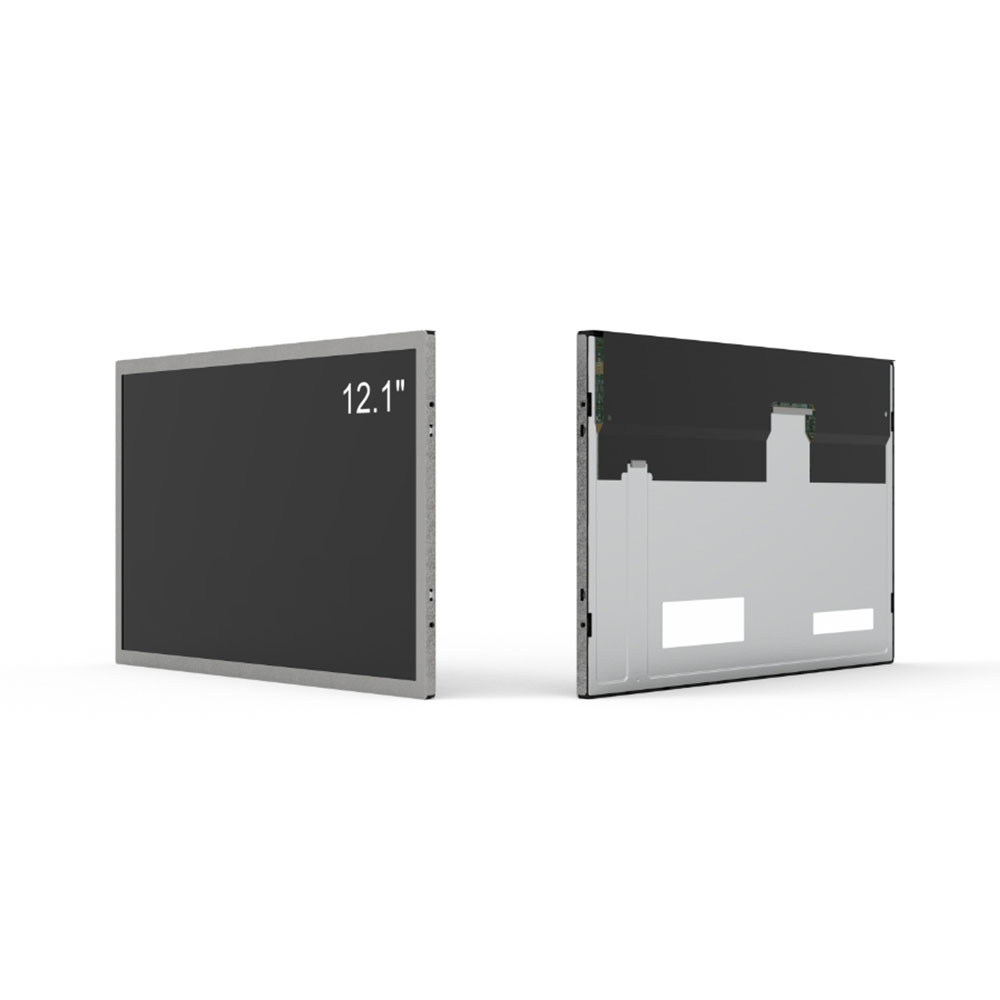
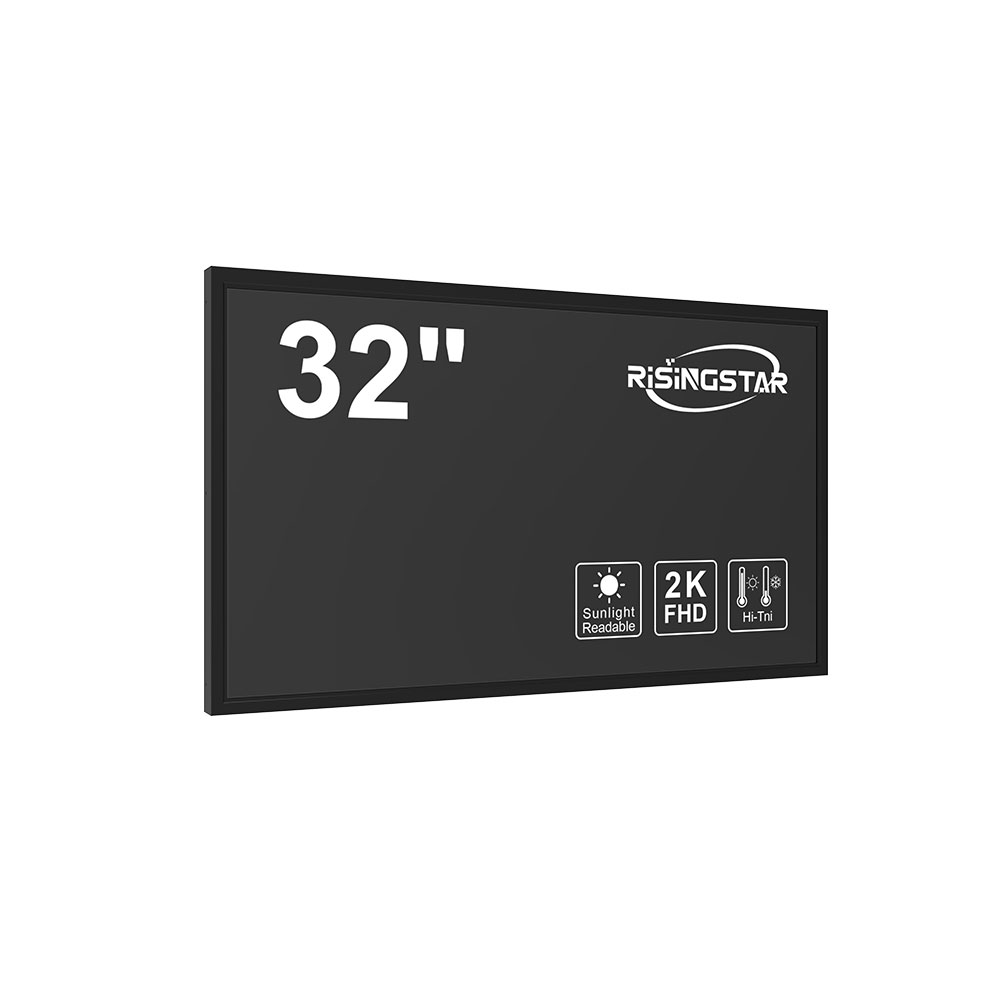
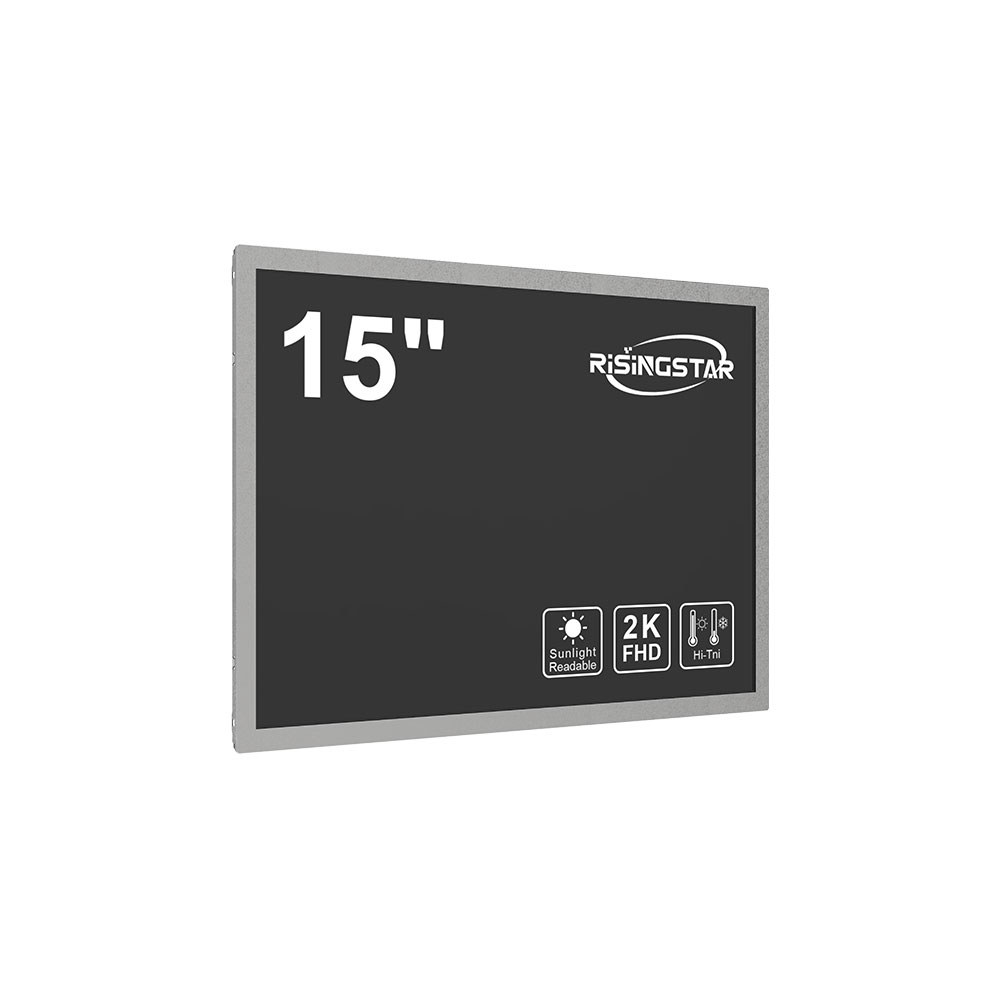
Strip screen technology has evolved significantly over the past decade, becoming a critical component in digital signage, industrial automation, retail displays, and public information systems. The strip screen series—ranging from compact 14.1-inch models to massive 86-inch panels—offers scalable solutions tailored for diverse environments. Each size within this series serves distinct functional needs based on viewing distance, space constraints, and content complexity. For instance, smaller screens like the 14.1-inch and 19-inch variants are ideal for embedded control units in medical devices or kiosks in confined spaces. In contrast, larger formats such as the 48.5-inch, 58.4-inch, and especially the 86-inch display units dominate high-traffic areas like airports, stadiums, and shopping malls where large-format visual impact is essential.
The popularity of specific sizes—like the 21.2-inch, 28.6-inch, and 37.6-inch—is driven by industry standards and ergonomic design principles. According to the International Electrotechnical Commission (IEC), screen dimensions between 24 and 36 inches are optimal for office-based human-machine interfaces (HMIs), offering a balance between visibility and workspace efficiency. Meanwhile, manufacturers like LG, Samsung, and AU Optronics have standardized production lines around these sizes to reduce costs and improve supply chain reliability.
Environmental durability also influences selection—screens with sizes above 40 inches often incorporate ruggedized casings, wide temperature tolerance (-20°C to 60°C), and anti-glare coatings for outdoor use. For example, 58.6-inch and 86-inch models commonly feature IP65-rated enclosures and sunlight-readable displays, making them suitable for harsh environments like construction sites or transportation hubs.
Customer feedback consistently highlights ease of integration and power efficiency as key advantages of modern strip screens. Many users report reduced energy consumption compared to traditional CRT or even LED-backlit LCDs, particularly in 24-inch and below models, due to advanced backlighting technologies such as mini-LED and OLED micro-displays. Additionally, modular designs allow for seamless multi-screen setups, enabling dynamic content delivery across multiple zones without compromising image quality or synchronization.
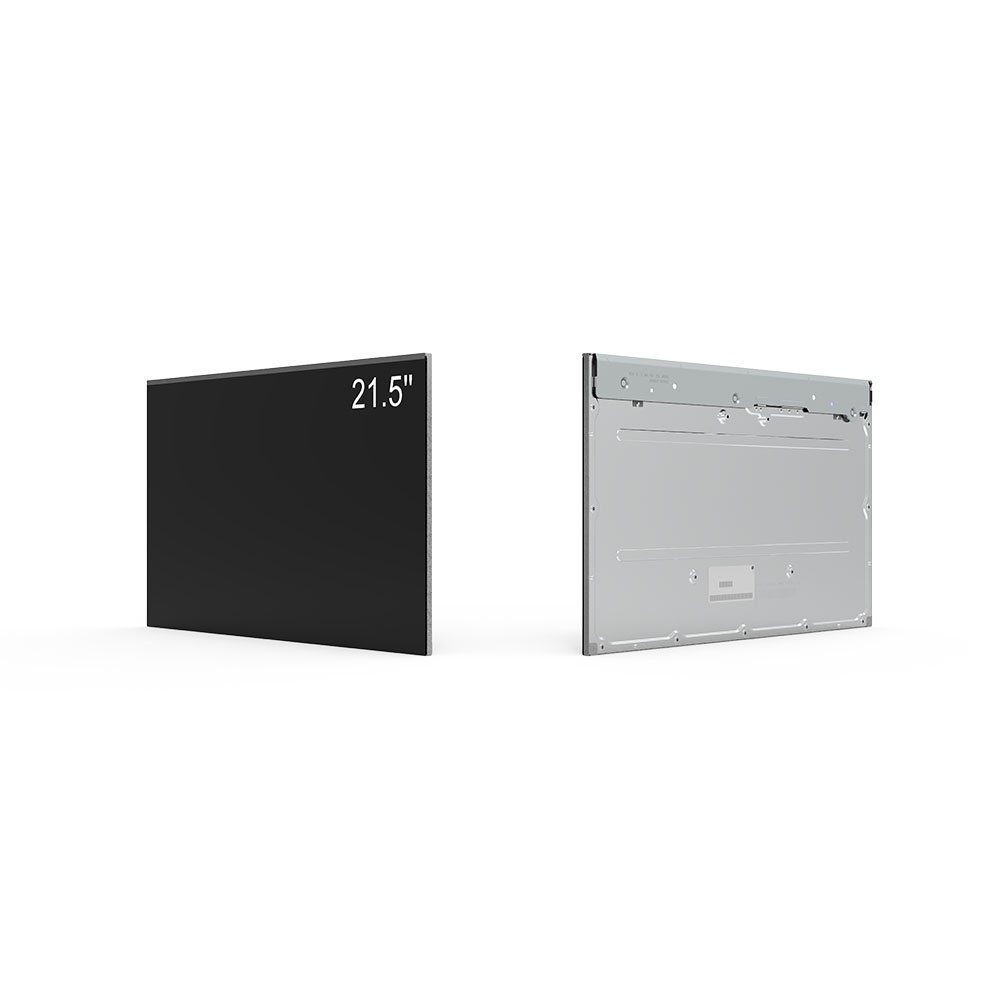
In summary, choosing the right strip screen size depends on application-specific requirements including resolution, brightness, mounting options, and environmental conditions. Whether deploying a single 19.5-inch unit for a point-of-sale terminal or an 86-inch display wall for a command center, understanding the technical specifications and real-world performance of each model ensures optimal investment returns and user satisfaction.