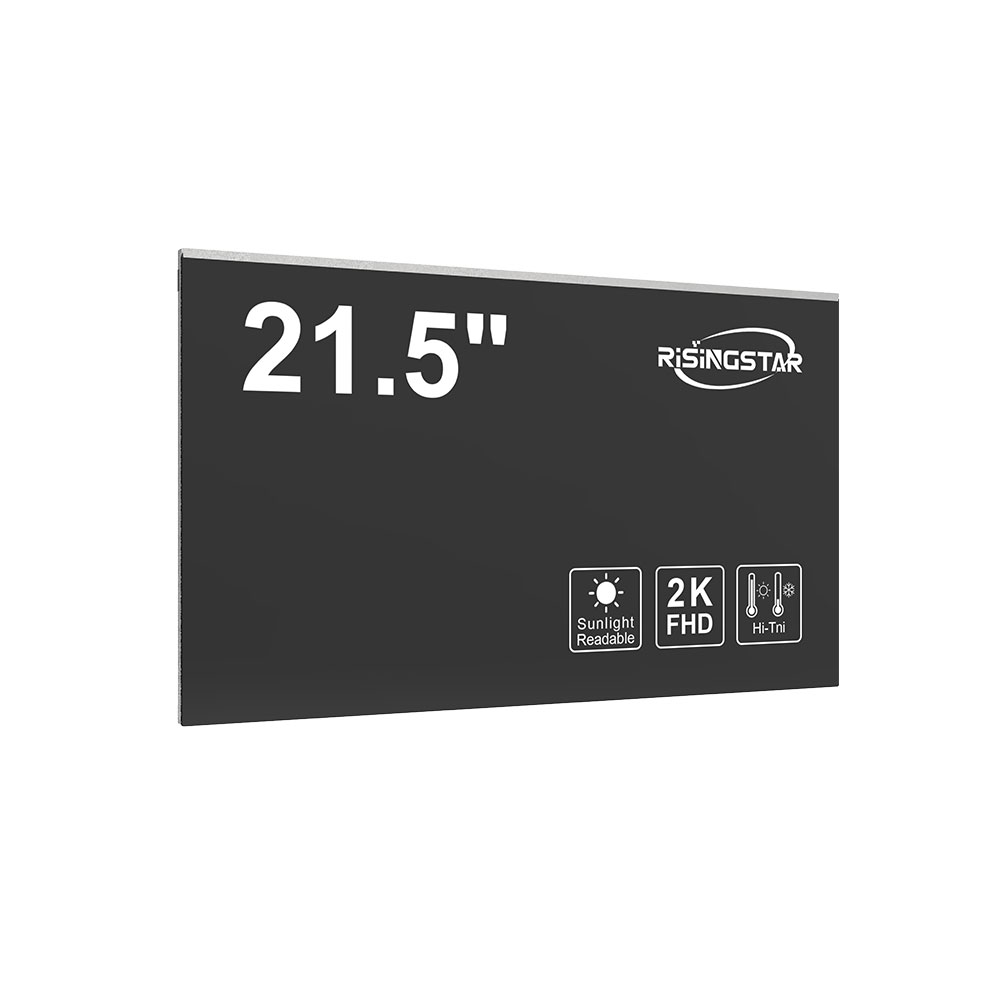
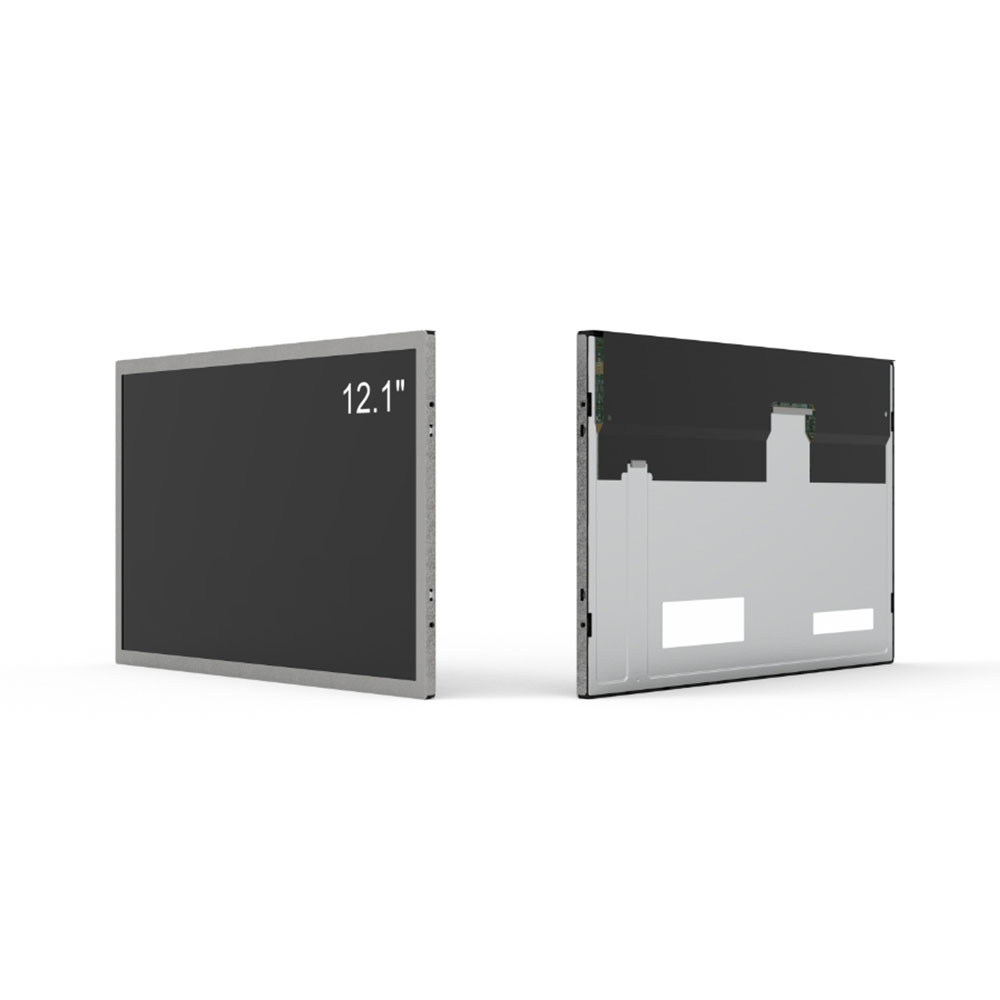
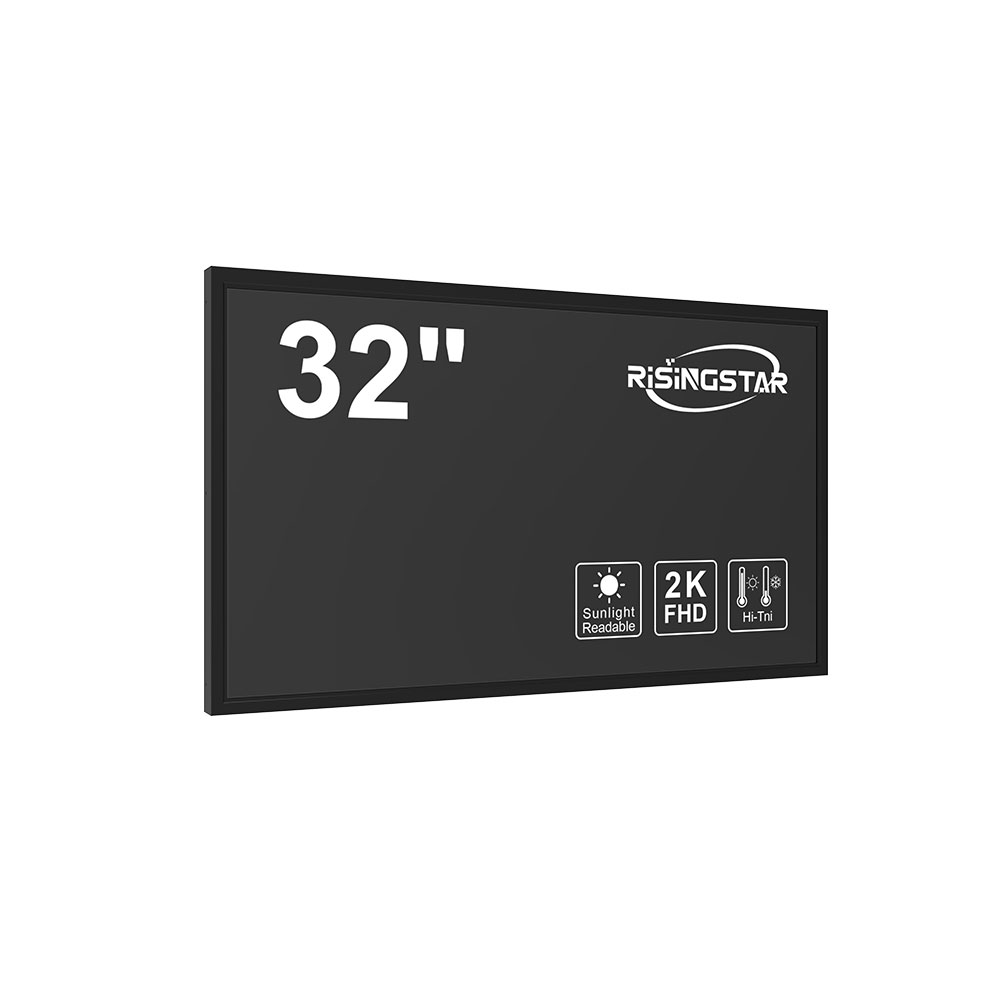
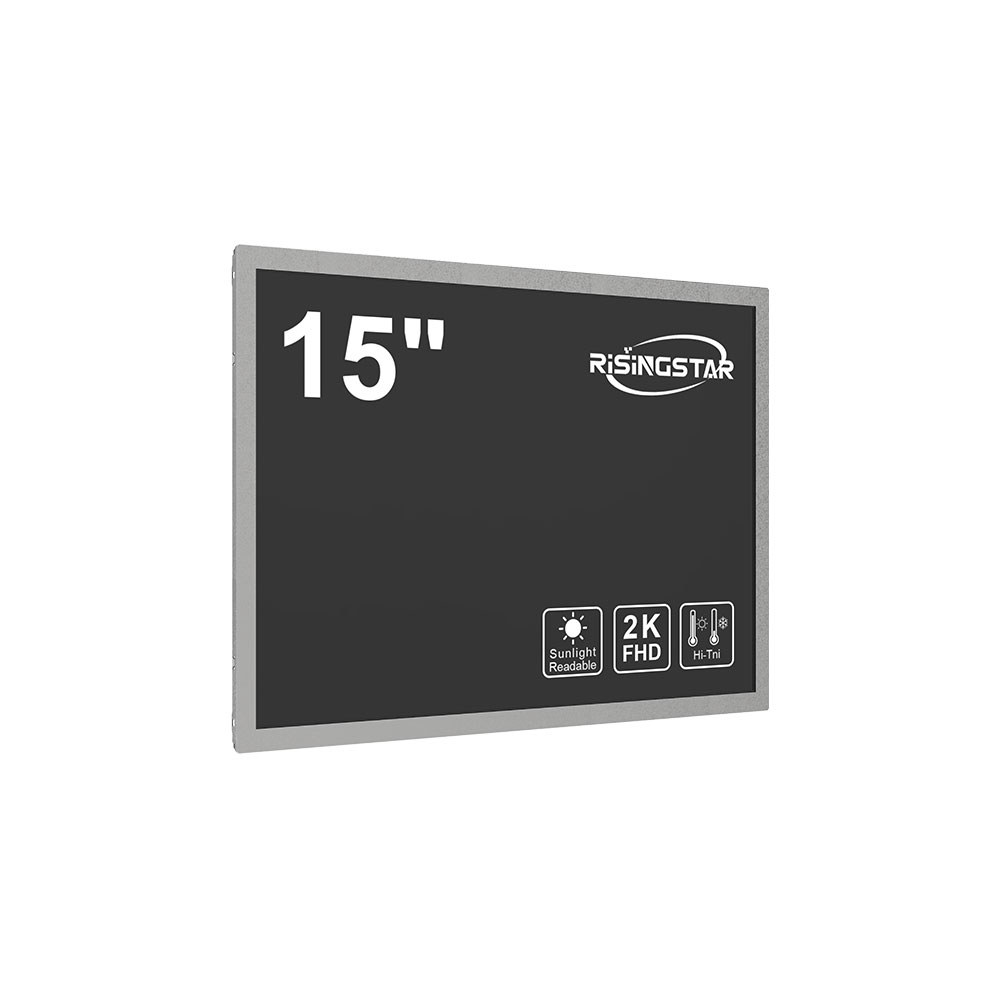
LCD (Liquid Crystal Display) panel technology remains the backbone of modern visual interfaces, powering everything from smartphones and televisions to industrial monitors and automotive dashboards. At its core, an LCD panel uses liquid crystals that twist and untwist in response to electric currents, controlling how much light passes through each pixel. This precise manipulation allows for high-resolution, energy-efficient displays that are both lightweight and durable.
One of the most significant advantages of LCD panels is their power efficiency compared to older CRT technologies. With advancements such as LED backlighting and local dimming, modern LCDs consume up to 40% less power while maintaining superior brightness and contrast. For example, LG's IPS (In-Plane Switching) panels offer wide viewing angles—up to 178°—and consistent color accuracy across all angles, making them ideal for professional design work or immersive media consumption.
Another key development is the integration of advanced driver ICs (integrated circuits) that enable faster refresh rates and reduced motion blur. Samsung’s VA (Vertical Alignment) panels, for instance, deliver deep blacks and high contrast ratios (up to 3000:1), which are especially beneficial in dark environments like home theaters. Meanwhile, TN (Twisted Nematic) panels continue to dominate the budget segment due to their low cost and fast response times—typically under 1ms—making them suitable for competitive gaming.
Environmental considerations have also influenced LCD manufacturing. The industry now adheres to strict RoHS (Restriction of Hazardous Substances) standards, ensuring materials like lead and mercury are minimized or eliminated. Furthermore, many manufacturers, including AU Optronics and BOE, have adopted closed-loop recycling systems that reduce waste and improve material reuse.
From a user perspective, LCD panels offer excellent longevity when properly maintained. With proper calibration and usage guidelines, these displays can last over 50,000 hours—equivalent to more than 10 years of daily use at 12 hours per day. Customer reviews on platforms like Amazon and Reddit consistently highlight reliability and value for money, especially in mid-range monitors and smart TVs.
In summary, LCD panel technology continues to evolve through innovations in materials, driver electronics, and sustainability practices. Whether you're choosing a monitor for graphic design, a TV for home entertainment, or a display for industrial control systems, understanding the differences between IPS, VA, and TN panels ensures optimal performance and long-term satisfaction.