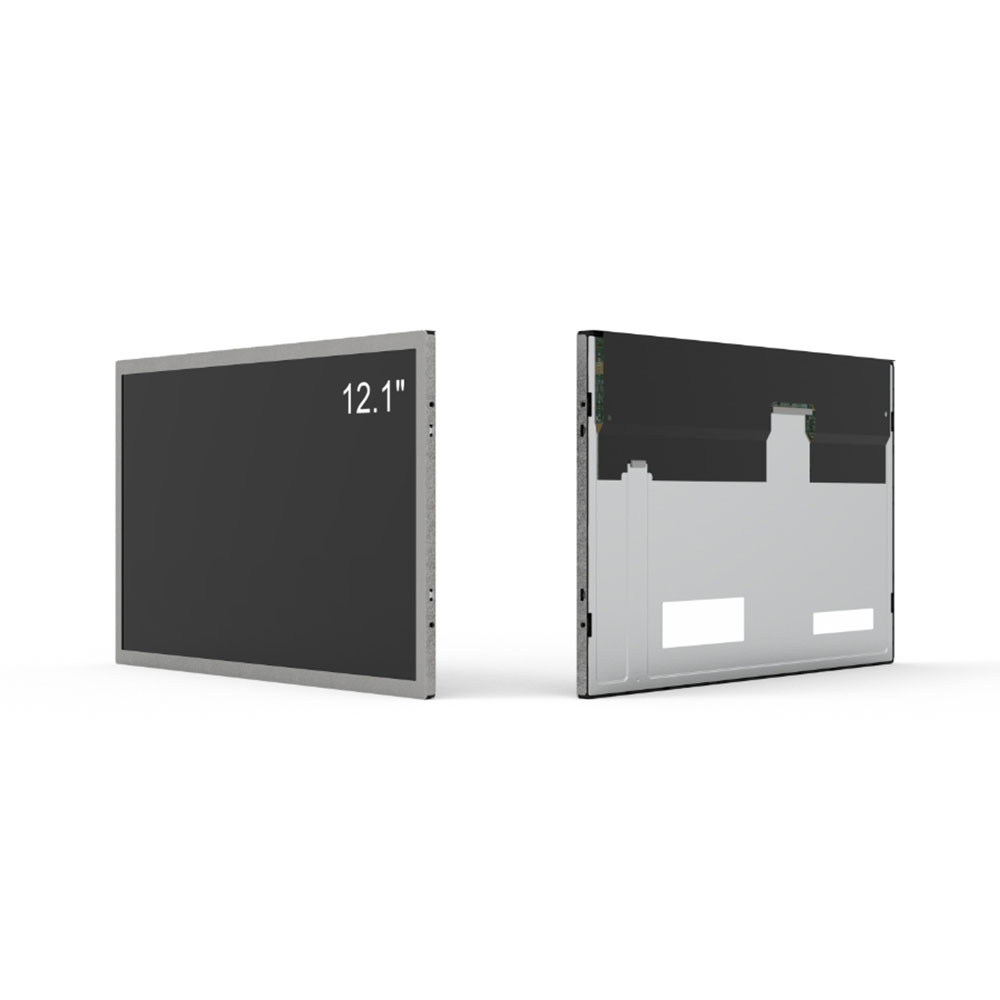
Selecting the appropriate LCD panel for industrial applications demands a thorough understanding of technical specifications, environmental conditions, and long-term reliability. Unlike consumer-grade displays, industrial LCDs must endure extreme temperatures, humidity, vibration, and continuous operation—often in harsh environments such as manufacturing floors, outdoor kiosks, or medical equipment.
First, consider the panel type: TN (Twisted Nematic), IPS (In-Plane Switching), or VA (Vertical Alignment). IPS panels offer superior color accuracy, wide viewing angles, and consistent performance under temperature variations—making them ideal for control rooms, medical diagnostics, and outdoor signage. TN panels are cost-effective but limited in viewing angles and contrast ratio, suitable only for basic monitoring tasks. VA panels strike a balance between cost and performance with high contrast ratios, though they may suffer from slower response times.
Next, evaluate brightness and contrast ratio. Industrial applications often require 1000 nits or higher brightness to ensure visibility in direct sunlight or bright indoor lighting. Contrast ratios above 5000:1 enhance image clarity, especially in low-light conditions. For example, LG Display’s LQ101X1LG32 and AU Optronics’ A070TN01V are widely used in ruggedized systems due to their robust 1500-nit brightness and 1000:1 contrast.
Environmental durability is critical. Look for panels rated for -20°C to +70°C operating temperatures, with MIL-STD-810G certification for shock and vibration resistance. Sealed enclosures and anti-glare coatings prevent moisture ingress and reduce reflections—key for factory automation or military hardware.
Finally, longevity matters. Industrial-grade LCDs typically have a 50,000-hour MTBF (Mean Time Between Failures) compared to 20,000–30,000 hours for consumer panels. Reputable suppliers like Sharp, Samsung, and Innolux provide detailed lifecycle reports and support for extended warranties.
By aligning panel characteristics with operational needs—such as ambient light levels, mechanical stress, and required uptime—engineers can optimize system performance while minimizing total cost of ownership.