
Understanding the Strip Screen Series: Sizes, Applications, and Industry Trends
Strip screens have become a cornerstone in modern display technology, especially in commercial, industrial, and public information systems. These displays are characterized by their long, narrow form factor—ideal for digital signage, kiosks, retail environments, and control rooms. The strip screen series includes a wide range of sizes such as 14.1", 19", 19.5", 21.2", 23.1", 24", 28", 28.6", 29", 29.4", 36.6", 37", 37.6", 42", 43", 48.3", 48.5", 49.3", 49.5", 56.6", 58.4", 58.6", and up to 86". Each size caters to specific use cases—from compact point-of-sale terminals to massive video walls in transportation hubs.
Manufacturers like LG, Samsung, and Sharp produce high-brightness LED-backlit LCDs for these strips, ensuring clarity even in bright ambient lighting. For instance, the 28" and 37" models are widely used in airport check-in areas due to their optimal viewing angles and resolution (typically 1080p or 4K). Larger sizes such as 58.6" and 86" are common in command centers and live event venues where real-time data visualization is critical.
From an engineering perspective, strip screens require specialized mounting solutions and power management systems. They often employ edge-lit or full-array backlighting with local dimming for improved contrast. Recent advancements in mini-LED and micro-LED technologies have enabled thinner bezels and better color accuracy across all sizes in this series.
In terms of application, the 19.5" and 24" variants dominate retail settings due to their cost-effectiveness and compatibility with existing content management software. Industrial automation relies on 43" and 48.5" units for monitoring production lines, while 58.4" and 86" models serve as interactive touch displays in smart city infrastructure.
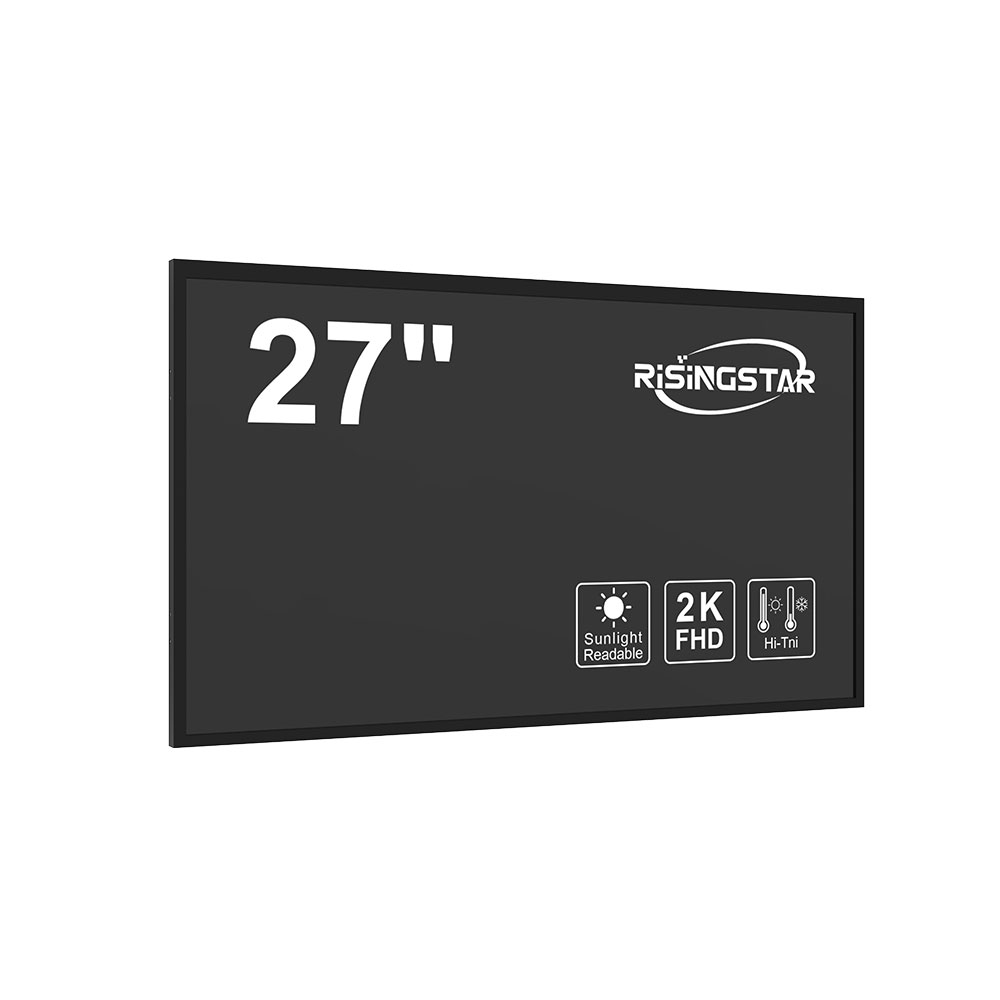
Industry reports from IHS Markit and Statista highlight a 12% year-over-year growth in strip screen adoption since 2022, driven by increasing demand for dynamic digital signage and remote monitoring solutions. With global standards like HDMI 2.1 and DisplayPort 1.4 now standard in most new models, the future of strip screens looks highly scalable and interoperable.

上一篇:Benefits of Outdoor Digital Signage for Modern Businesses
下一篇:How to Choose the Right LCD Display for Industrial Applications