
Strip Screen Series LCD Displays for Industrial and Commercial Applications
The Strip Screen Series represents a comprehensive line of high-performance LCD displays tailored for industrial automation, medical equipment, transportation systems, and commercial signage. These screens come in a wide range of sizes—from compact 14.1-inch units to massive 86-inch panels—ensuring flexibility across diverse use cases. Each model is engineered with optimized brightness (typically 300–1000 cd/m²), wide viewing angles (up to 178°), and robust anti-glare or touch-enabled coatings, making them ideal for environments with variable lighting conditions or frequent user interaction.
For example, the 19.5-inch and 21.2-inch models are commonly used in medical diagnostic devices due to their excellent color accuracy (sRGB >95%) and low power consumption (under 25W). In contrast, the 48.5-inch and 58.4-inch variants are preferred in digital signage applications such as retail kiosks and public information boards, where high resolution (up to 4K UHD) and durability under continuous operation are critical. The 86-inch ultra-large format display is often deployed in command centers and control rooms for real-time data visualization, leveraging its edge-to-edge glass design and multi-touch support.
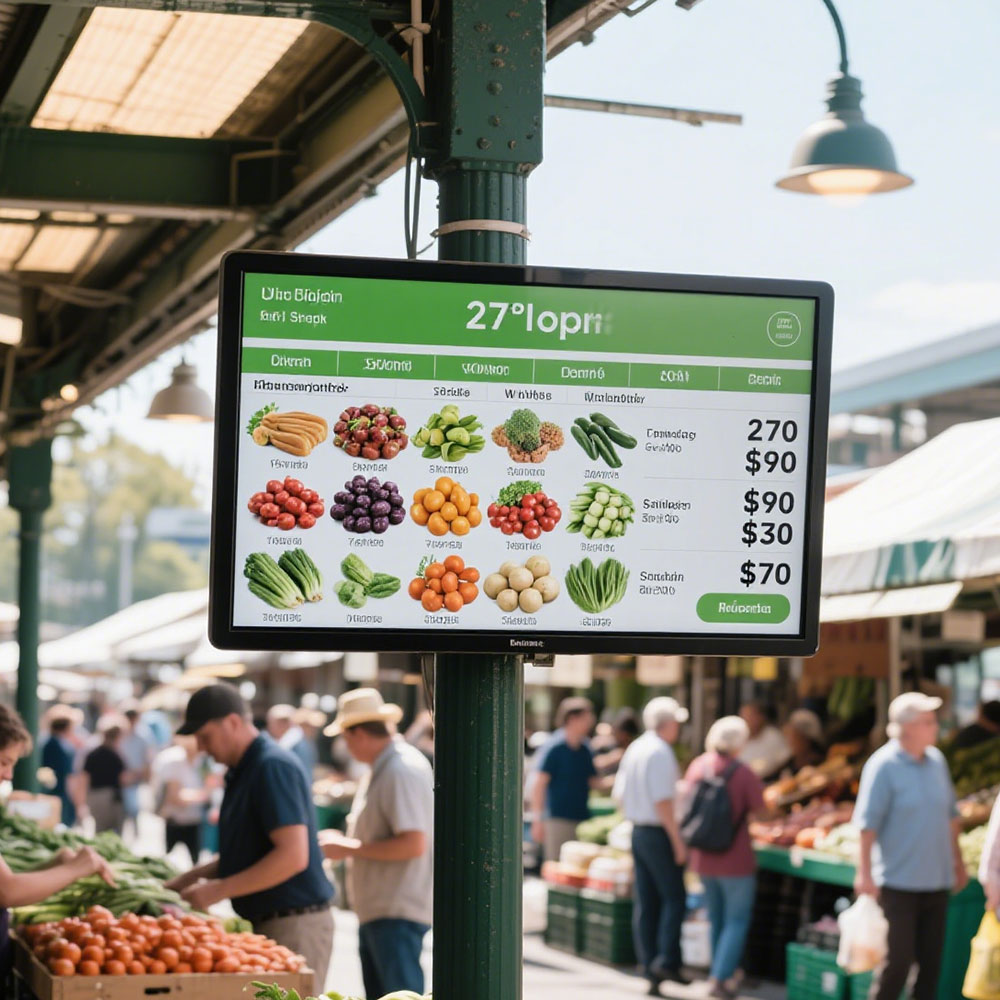
These strip screens also feature advanced connectivity options including LVDS, HDMI, DisplayPort, and USB-C input, enabling seamless integration into existing hardware ecosystems. Built-in environmental resistance (IP65-rated enclosures available) ensures reliable performance in harsh conditions like dust-laden factories or outdoor installations. Many models comply with international standards such as CE, FCC, and RoHS, ensuring safe and sustainable deployment globally.
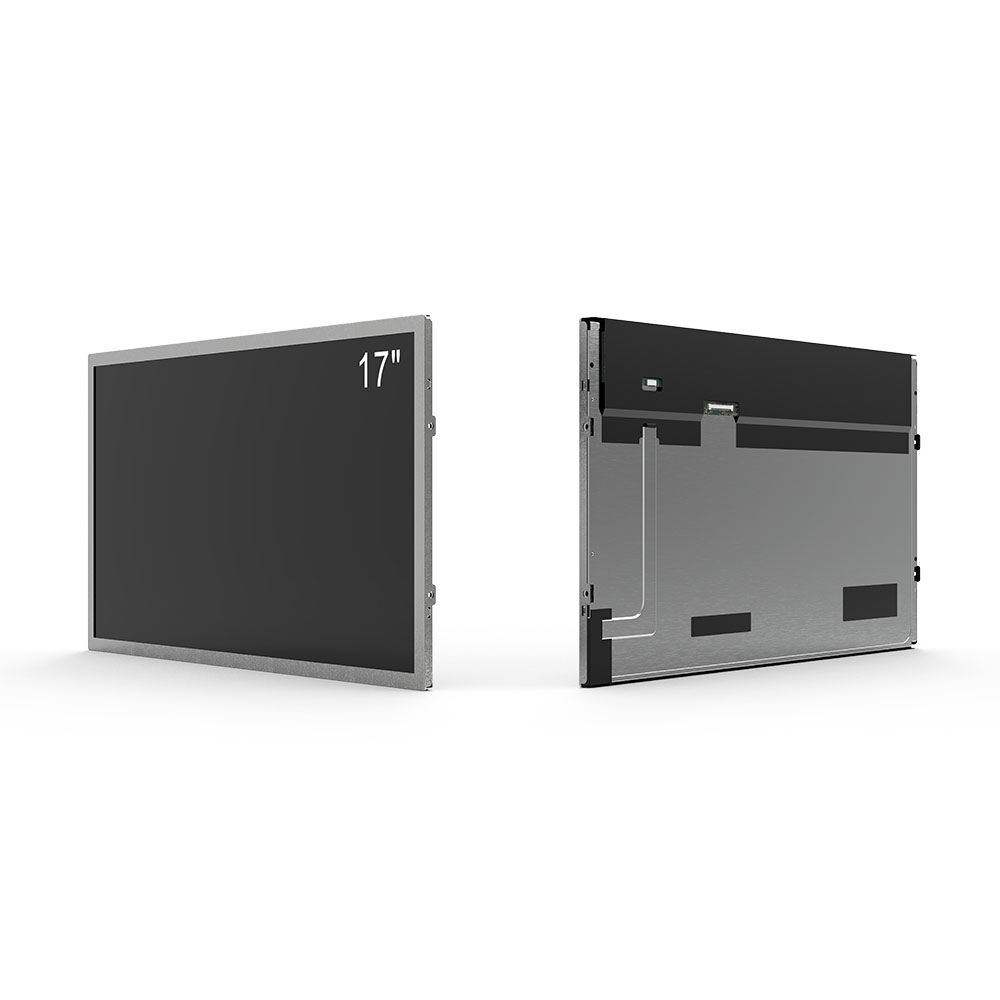
Manufacturers like LG, Innolux, and AU Optronics provide these screens through OEM/ODM partnerships, allowing customers to customize bezel width, backlight type (LED or mini-LED), and interface protocols. With rising demand for smart manufacturing and IoT-enabled displays, the Strip Screen Series continues to evolve—incorporating AI-enhanced image processing, adaptive brightness, and energy-saving modes that reduce long-term operational costs.
Whether you're upgrading legacy systems or designing next-gen embedded solutions, this series offers scalable, future-proof display technology backed by rigorous testing for thermal stability (−20°C to +60°C), shock resistance, and 50,000+ hours of MTBF (Mean Time Between Failures).
上一篇:How to Choose the Right LCD Display for Industrial Applications
下一篇:Outdoor Digital Signage Solutions for Effective Public Communication