
LCD Strip Screen Series Overview for Industrial and Commercial Applications
The LCD strip screen series represents a critical advancement in display technology, offering versatile solutions for industrial automation, digital signage, medical equipment, and consumer electronics. These screens are characterized by their narrow bezel design—typically less than 5mm—which allows seamless integration into compact systems or multi-monitor setups. Sizes range from 14.1 inches to 86 inches, catering to both portable and large-scale applications.
For instance, the 14.1” and 19” models are ideal for embedded systems like POS terminals and control panels due to their space efficiency and low power consumption. The 21.2” to 29.4” range is widely used in retail kiosks, transportation information boards, and healthcare dashboards, where clarity and durability matter. Larger variants such as 37” to 58.6” are common in public displays, command centers, and smart factory environments, often featuring high brightness (up to 5000 nits), wide viewing angles (178°), and ruggedized housings for 24/7 operation.
Recent innovations include LED-backlit panels with improved color gamut (DCI-P3 support) and touch-enabled options for interactive use. Many models comply with MIL-STD-810G for shock and vibration resistance, making them suitable for harsh environments like manufacturing floors or outdoor installations. Additionally, standard interfaces such as HDMI, DisplayPort, and LVDS ensure compatibility across platforms.
Manufacturers like LG, Samsung, and Innolux have standardized these sizes based on market demand, ensuring component availability and cost-effectiveness. According to a 2023 IHS Markit report, over 65% of industrial LCDs shipped globally now fall within this strip screen format due to its modular scalability and ease of maintenance.
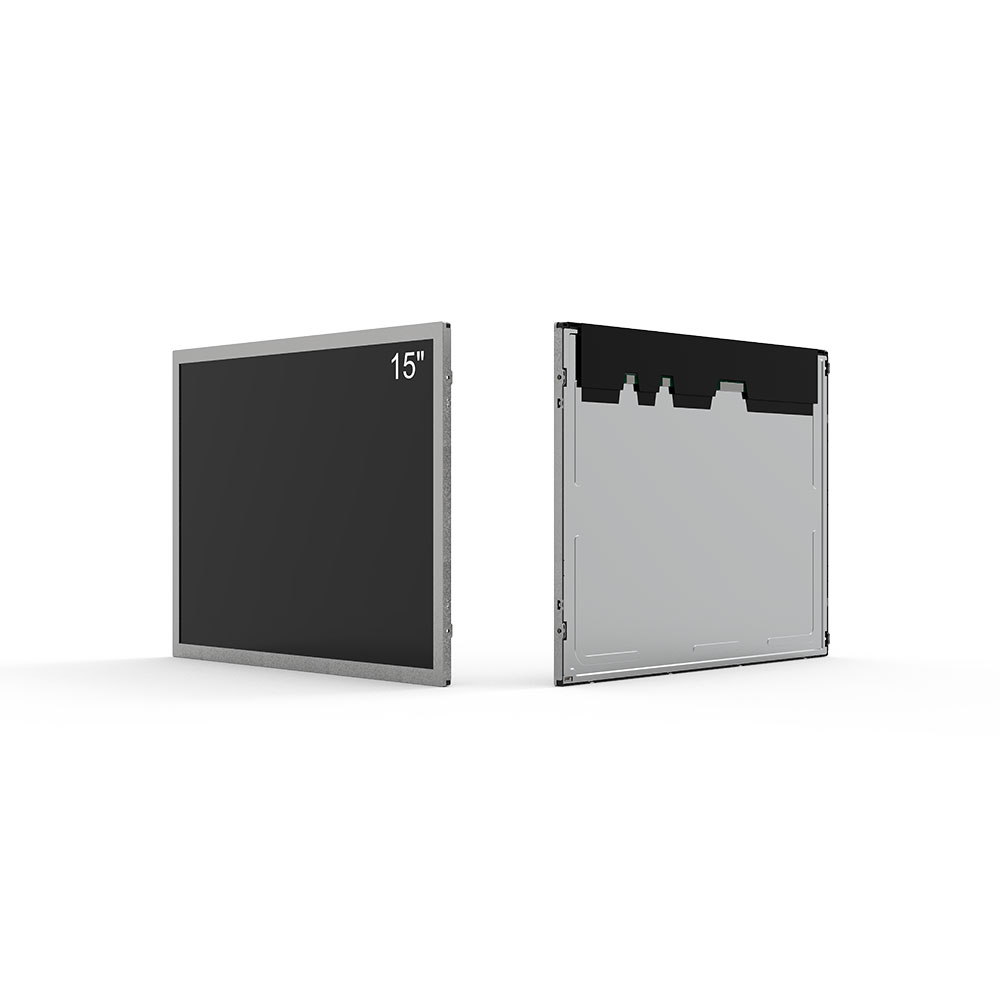
Whether deploying a single unit for a dashboard or building a wall of 20+ displays for a control room, the strip screen series offers flexibility, performance, and reliability—making it a cornerstone of modern visual communication infrastructure.