
Understanding the Strip Screen Series: Sizes, Applications, and Industry Trends
Strip screens have become a critical component in modern display technology, particularly in industrial, commercial, and medical environments where space efficiency, clarity, and durability are paramount. The strip screen series includes a wide range of sizes—from compact 14.1-inch models to massive 86-inch units—each tailored for specific use cases such as digital signage, control rooms, healthcare monitoring, retail displays, and smart manufacturing.
The most commonly adopted sizes in this series include 19", 21.2", 28.6", 37", 43", 58.4", and 86". For example, 19" and 21.2" screens are often used in point-of-sale systems or embedded kiosks due to their ergonomic fit and low power consumption. Larger formats like 43" and 58.4" are ideal for command centers and factory floors where high visibility and multitasking capabilities are required. Meanwhile, the 86" ultra-wide models provide immersive experiences for training simulations and collaborative workspaces in enterprise settings.
Manufacturers like LG, Samsung, and Sharp offer certified strip screens with features such as anti-glare coatings, IP65 dust/water resistance, and extended temperature ranges (-20°C to +60°C), making them suitable for harsh environments like warehouses, outdoor advertising, and automotive production lines. These screens also support HDMI, DisplayPort, and USB-C inputs, ensuring compatibility across diverse devices—from Raspberry Pi to professional video processors.
According to a 2024 report by MarketsandMarkets, the global industrial display market is projected to grow at a CAGR of 6.8% through 2029, driven by increased automation and IoT integration. This growth underscores the importance of selecting the right strip screen size based on application-specific needs—including resolution (typically 1080p to 4K), brightness (up to 3000 nits for outdoor use), and mounting options (VESA-compatible).
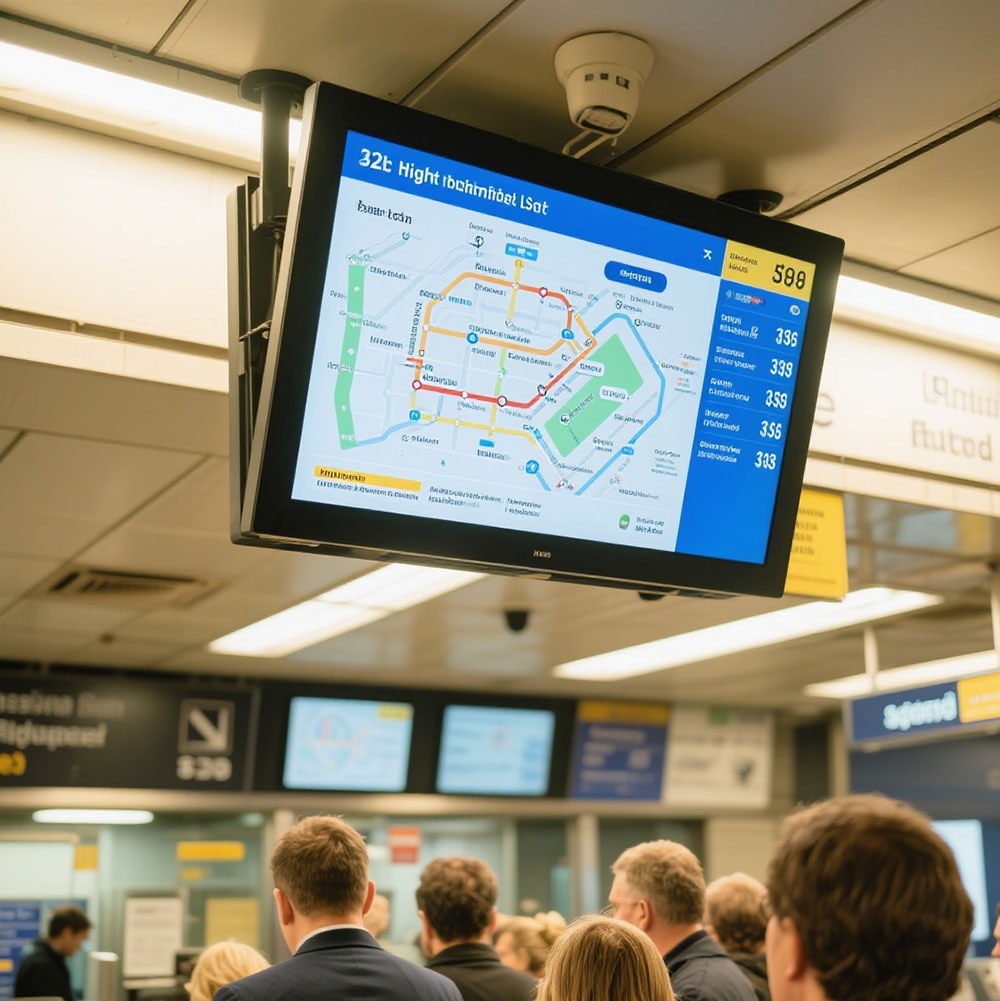
When deploying strip screens, it’s essential to consider factors such as ambient lighting conditions, viewing distance, and maintenance accessibility. For instance, 28.6" and 37.6" screens are frequently chosen for interactive dashboards in energy management systems because they balance readability and space efficiency. In contrast, 49.5" and 56.6" models are popular in healthcare for patient vitals monitoring due to their large, clear interfaces that reduce operator fatigue during long shifts.
Ultimately, choosing the correct strip screen from this expansive series involves aligning technical specifications with real-world usage scenarios—a decision that impacts operational efficiency, user experience, and long-term ROI.
上一篇:Strip Screen Series Display Sizes and Applications in Modern Electronics
下一篇:LCD Strip Screen Series for Industrial and Commercial Applications