
How to Choose the Right LCD Panel for Industrial Equipment Applications
When selecting an LCD panel for industrial equipment applications, manufacturers and distributors must prioritize durability, performance, and compatibility with harsh operating environments. Unlike consumer-grade displays, industrial LCDs are subjected to extreme temperatures, vibration, dust, and humidity—conditions that demand specialized engineering solutions.
First, consider environmental robustness. Industrial panels should comply with IP65 or higher ratings for dust and water resistance, especially in manufacturing, automotive, or outdoor machinery. For example, LG’s LTN101X1-L01 and AU Optronics’ A070STN01 are widely used in factory automation systems due to their wide operating temperature range (-30°C to +75°C) and anti-glare coatings that reduce reflection in bright environments.
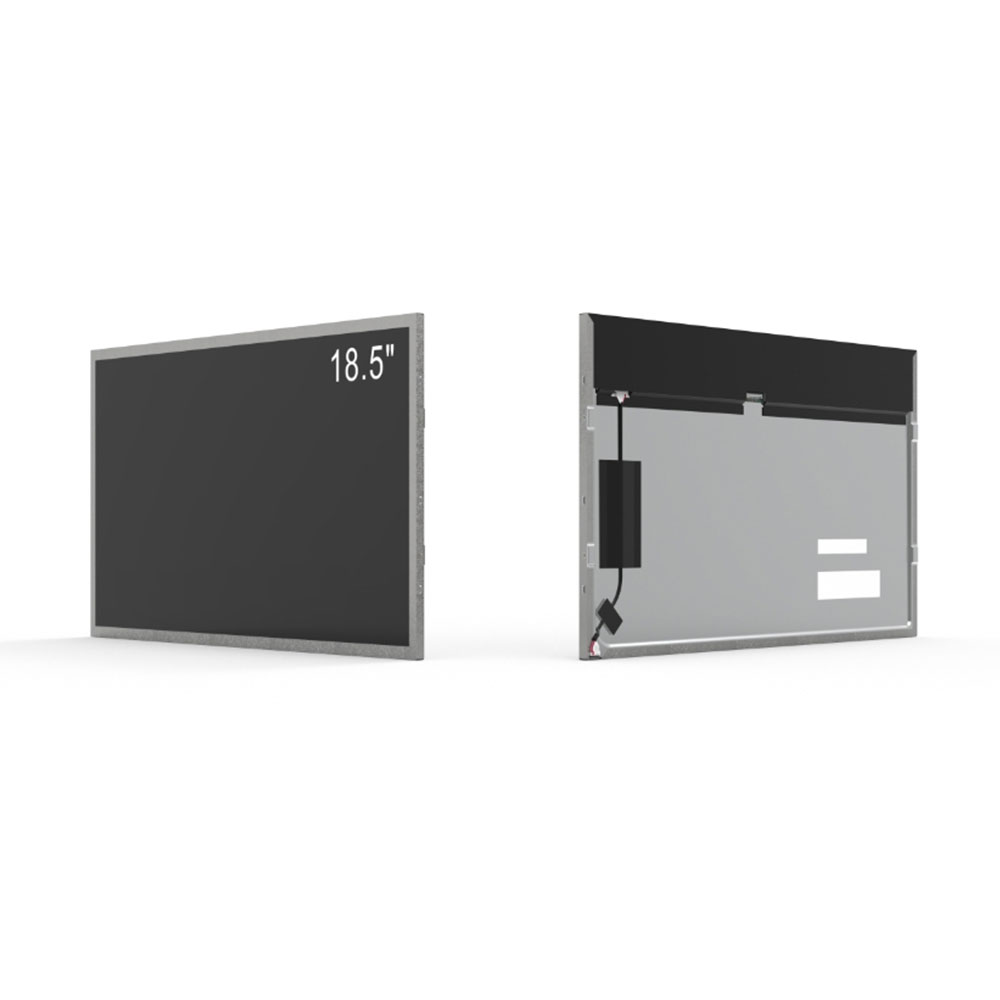
Second, brightness and contrast ratio matter significantly. In outdoor or high-luminance settings, a minimum brightness of 2000 nits is recommended—panels like Innolux’s B101XAN01.1 achieve this through LED backlighting and optimized optical films. Meanwhile, high contrast ratios (e.g., 1000:1 or higher) ensure clear visibility under varying lighting conditions, which is crucial for control interfaces in energy or medical equipment.
Third, long-term reliability is non-negotiable. Industrial-grade LCDs typically offer MTBF (Mean Time Between Failures) exceeding 50,000 hours, often backed by 5-year warranties. Look for panels certified to ISO 9001, IEC 60068 (environmental testing), and MIL-STD-810G for mechanical shock and vibration resistance. These certifications are critical for compliance in regulated industries such as aerospace or defense.
Finally, integration ease is key. Choose panels with standard interfaces like LVDS, eDP, or RGB, and ensure compatibility with common processors such as NXP i.MX or Renesas RZ series. Many OEMs also prefer panels with built-in touch functionality (capacitive or resistive) to simplify system design without adding external components.
In summary, the right industrial LCD panel balances environmental resilience, visual clarity, longevity, and seamless integration. By aligning technical specs with application-specific demands, overseas manufacturers and distributors can ensure optimal uptime, reduced maintenance costs, and enhanced end-user satisfaction across global markets.
上一篇:Understanding 4:3 Aspect Ratio LCD Displays for Professional and Legacy Applications
下一篇:How to Choose the Right LCD Display for Industrial Applications