
How to Choose the Right LCD Display for Industrial Applications
When selecting an LCD display for industrial applications, it's crucial to consider factors beyond just screen size and resolution. Industrial environments—such as manufacturing plants, oil rigs, or automated warehouses—demand displays that are rugged, reliable, and optimized for long-term performance under harsh conditions.
First, assess the environmental durability of the display. Look for models with an IP65 or higher rating to ensure protection against dust and water ingress. For example, the LG LP104WQ2-TL1 (a 10.4-inch industrial LCD) features an IP65-rated enclosure and operates reliably in temperatures from -30°C to 70°C—a critical spec for cold storage facilities or outdoor installations.
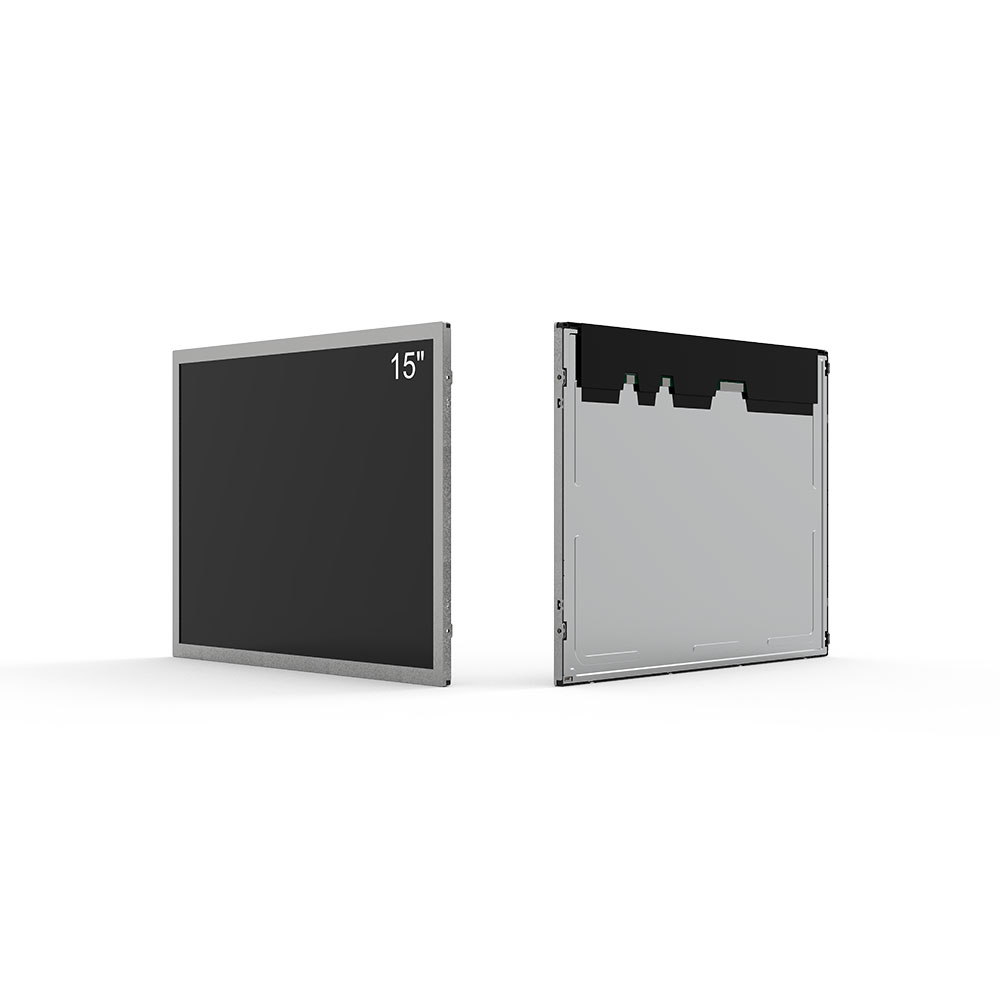
Second, prioritize brightness and visibility. Industrial settings often involve ambient light variations—from dimly lit control rooms to direct sunlight on outdoor machinery. A display with at least 1000 nits of brightness, such as the Innolux L104X1-L01, ensures clear visibility even under intense lighting. Some manufacturers now include automatic brightness adjustment via ambient light sensors, enhancing both usability and energy efficiency.
Third, evaluate the input interface compatibility. Most modern industrial LCDs support HDMI, VGA, and LVDS inputs, but some legacy systems may require proprietary connectors. Always confirm compatibility with your existing hardware infrastructure to avoid costly retrofitting.
Fourth, consider serviceability and lifecycle support. Industrial-grade displays should offer a minimum 5-year warranty and access to spare parts. Brands like Sharp and Samsung provide extended technical support programs, including firmware updates and remote diagnostics—key for minimizing downtime in mission-critical operations.
Finally, review real-world customer feedback and industry certifications. Displays used in medical devices, automotive assembly lines, or military equipment must comply with standards like CE, FCC, and RoHS. Third-party reviews from platforms like Trustpilot or industrial forums can reveal hidden issues not listed in datasheets—such as backlight degradation after prolonged use or inconsistent touch responsiveness.
By focusing on these core criteria—environmental resilience, brightness performance, connectivity options, long-term support, and certification—you can confidently select an LCD that enhances productivity while reducing total cost of ownership in demanding industrial environments.