
How to Choose the Right LCD Display for Industrial Applications
Selecting the appropriate LCD display for industrial applications requires a comprehensive understanding of operational environments, performance demands, and long-term reliability. Unlike consumer-grade displays, industrial LCDs must withstand extreme temperatures, mechanical vibrations, humidity, and prolonged continuous operation. For instance, in manufacturing plants or outdoor monitoring systems, ambient temperatures can range from -30°C to 70°C—far beyond the typical operating range of standard displays. Therefore, choosing an LCD with wide temperature tolerance (e.g., -40°C to 85°C) is critical.
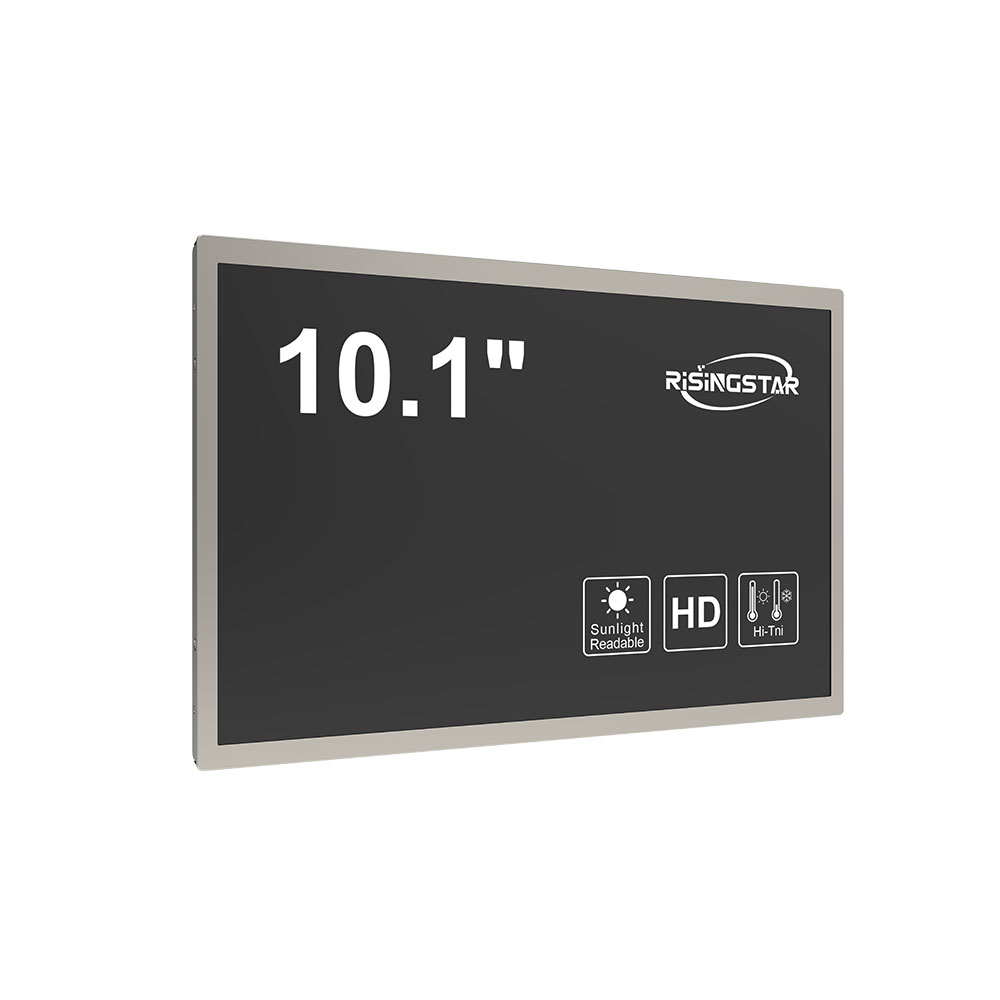
Another key consideration is brightness and visibility under varying lighting conditions. Industrial settings often include bright sunlight, low indoor lighting, or harsh artificial light. Displays rated at 1000 cd/m² or higher ensure clear visibility in direct sunlight—a feature commonly found in ruggedized LCDs used in military or transportation sectors. Additionally, anti-glare coatings and wide viewing angles (up to 178°) enhance usability across different positions and lighting scenarios.
Durability and environmental resistance are equally important. Industrial LCDs should meet IP65 or higher ratings for dust and water resistance, especially when deployed in food processing, mining, or marine environments. The use of reinforced glass (like Gorilla Glass or tempered glass) and shock-resistant frames prevents damage from accidental drops or impacts. In fact, industry case studies from companies like Siemens and Rockwell Automation show that using certified industrial-grade LCDs reduced maintenance costs by up to 40% over five years.
Furthermore, longevity and support for extended product life cycles matter. Many industrial systems operate for 10–15 years, so selecting LCDs with guaranteed supply stability (e.g., from manufacturers like LG Display, Innolux, or BOE) ensures spare parts availability and firmware compatibility. Features such as built-in self-test diagnostics, LED backlight lifetime tracking, and remote firmware updates add value in predictive maintenance scenarios.
Finally, consider power efficiency and thermal management. Low-power consumption panels (under 10W for 10-inch screens) reduce heat generation, which is crucial in enclosed control cabinets or hot climates. Thermal design—such as passive cooling via heat sinks or active fans—must align with system requirements to prevent overheating and premature failure.
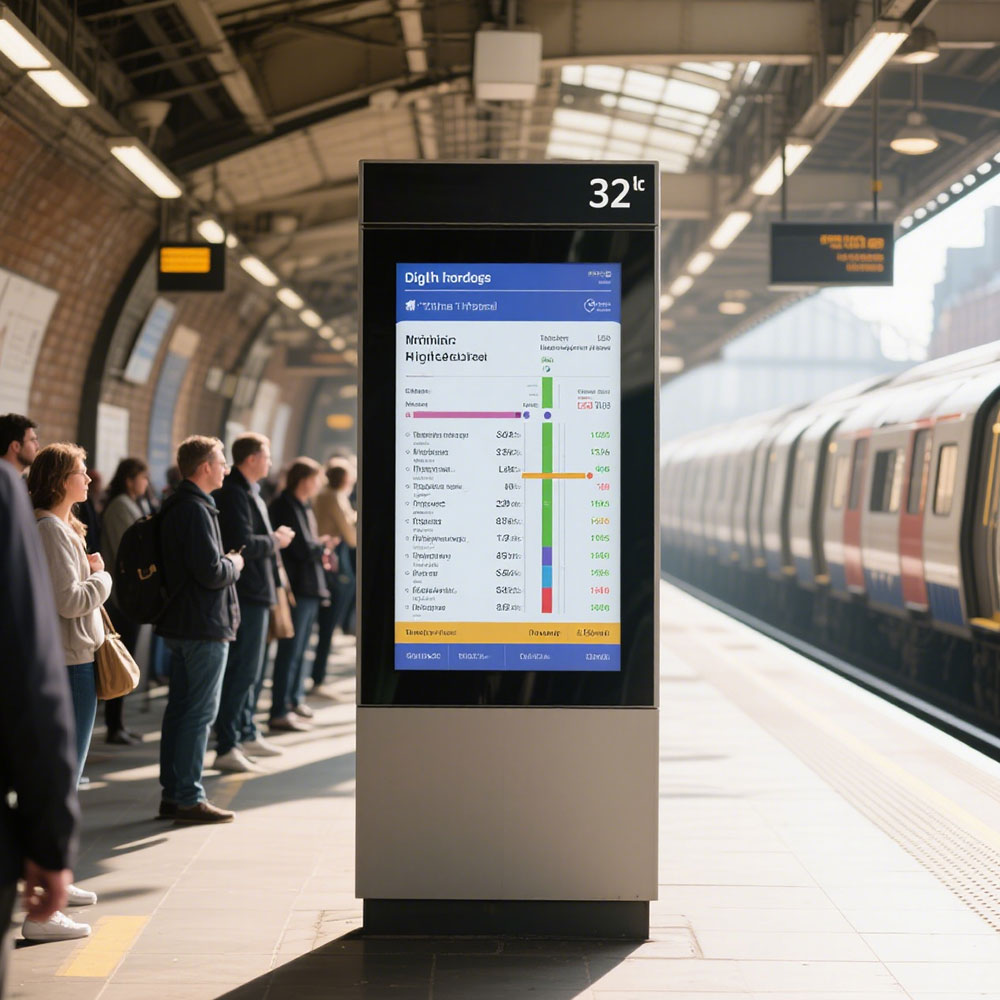
In summary, industrial LCD selection is not just about resolution or size—it’s about matching specifications to real-world conditions. A well-chosen LCD enhances system uptime, reduces total cost of ownership, and supports operational resilience across diverse industries.
上一篇:RisingStar LCD Display Solutions for Industrial and Consumer Applications
下一篇:How to Optimize LCD Display Performance in Harsh Environments