
How to Optimize LCD Display Performance in Harsh Environments
In today’s rapidly evolving technology landscape, LCD (Liquid Crystal Display) screens are widely used across industries—from automotive dashboards and industrial control panels to outdoor kiosks and medical devices. However, their performance can degrade significantly when exposed to extreme temperatures, humidity, or mechanical stress. To ensure long-term reliability and optimal functionality, engineers must apply targeted design strategies and material selections tailored for harsh environments.
One critical factor is the choice of LCD panel type. TN (Twisted Nematic) panels offer fast response times but suffer from poor viewing angles and limited temperature tolerance. In contrast, IPS (In-Plane Switching) and VA (Vertical Alignment) panels provide superior color accuracy and wider viewing angles, making them more suitable for professional applications. For example, a study by LG Display (2022) found that IPS-based displays maintained 95% of their brightness at -30°C, while TN panels dropped below 70%.
Temperature management is another key consideration. Industrial-grade LCDs often incorporate thermal management systems such as heating elements or heat sinks. According to the IPC-610G standard for electronic assemblies, display modules must operate reliably between -40°C and +85°C without degradation. Designers should also consider using high-quality polarizers and liquid crystal materials that resist crystallization at low temperatures.
Environmental sealing is equally vital. IP65-rated enclosures with anti-fog coatings prevent moisture ingress and condensation—common issues in humid climates or rapid temperature changes. For instance, Samsung’s SM-700 series LCDs used in marine applications include a sealed front glass with hydrophobic coating, reducing fogging by over 60% compared to uncoated models.
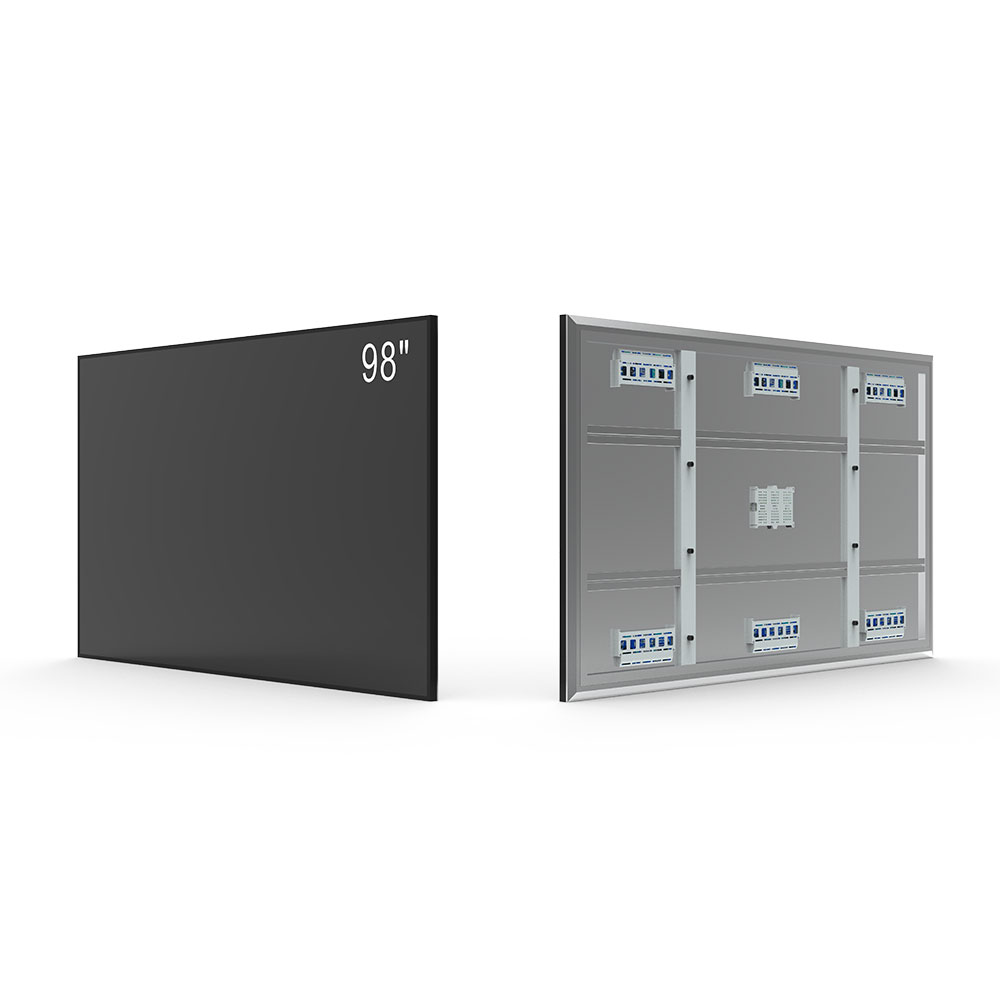
Additionally, mechanical durability matters. Shock-resistant LCDs with reinforced glass (e.g., Gorilla Glass or chemically strengthened soda-lime glass) and rubberized bezels improve resilience against vibration and impact—critical for military or automotive use. The MIL-STD-810G standard outlines rigorous testing protocols for such components.
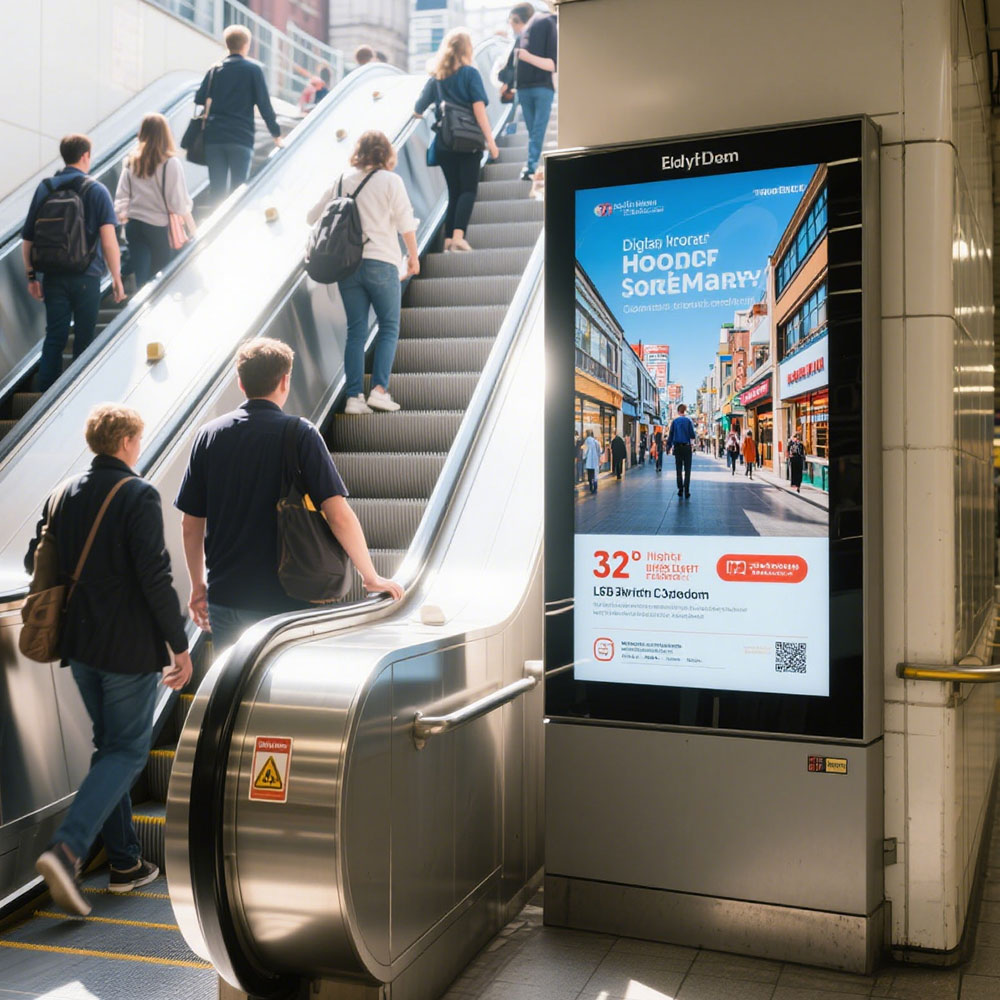
Finally, power efficiency plays a role in longevity. Low-power consumption LCDs reduce heat generation and extend battery life in portable devices. Modern LED-backlit panels consume up to 40% less energy than older CCFL models, per data from the U.S. Department of Energy (2023).
By combining these technical principles—panel selection, thermal regulation, environmental protection, mechanical reinforcement, and power optimization—engineers can maximize LCD performance in even the most demanding conditions.
上一篇:How to Choose the Right LCD Display for Industrial Applications
下一篇:IP66 Waterproof LCD Displays for Industrial and Outdoor Applications