
Understanding LCD Display Technology in Modern Electronics
LCD (Liquid Crystal Display) technology remains a cornerstone of modern electronics, powering everything from smartphones and televisions to automotive dashboards and medical devices. Unlike OLED or LED displays, LCDs use liquid crystals that modulate light rather than emitting it directly, making them energy-efficient and cost-effective for large-scale production. One of the most practical applications of LCDs is in consumer electronics—especially in mid-range smartphones and flat-screen TVs—where their high resolution, low power consumption, and mature manufacturing processes provide excellent value. In industrial settings, LCDs are used in control panels, point-of-sale terminals, and instrumentation due to their durability and compatibility with harsh environments.
A key advantage of LCDs is their lower power usage compared to older CRT displays—typically consuming 30–50% less energy at similar brightness levels. This makes them ideal for battery-powered devices like tablets and laptops. Moreover, LCDs offer consistent color reproduction across a wide range of temperatures, which is essential for outdoor signage or automotive applications. However, common issues include poor viewing angles (especially in TN-type panels), slower response times leading to motion blur, and backlight bleed in budget models. These problems have been significantly mitigated by newer technologies such as IPS (In-Plane Switching) and VA (Vertical Alignment) panels, which enhance both color accuracy and contrast ratios.
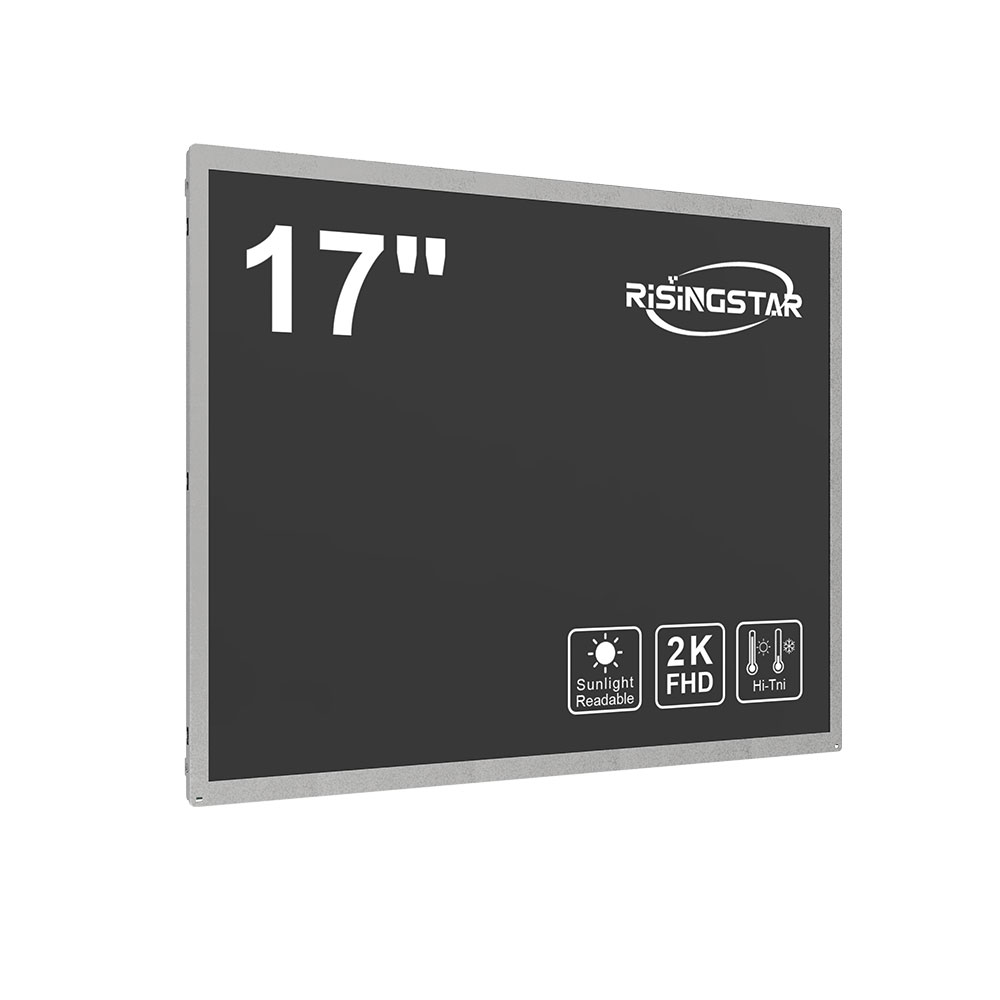
Recent trends show a shift toward hybrid solutions, such as Mini-LED backlit LCDs, which improve brightness and local dimming while maintaining LCD’s cost advantages over OLED. According to a 2024 report by Display Supply Chain Consultants (DSCC), over 60% of global TV shipments now use some form of advanced LCD technology. Additionally, innovations in flexible LCDs are gaining traction in wearables and foldable devices, bridging the gap between traditional rigid displays and emerging OLED markets. As environmental regulations tighten, manufacturers are also focusing on reducing toxic materials like mercury and lead in LCD production, aligning with RoHS compliance standards. For engineers and designers, understanding LCD behavior under different lighting conditions, temperature variations, and mechanical stress is crucial for optimizing user experience and device longevity.
上一篇:IK10 LCD Display Module Performance and Reliability in Industrial Applications
下一篇:How to Choose the Right LCD Display for Industrial Applications