
How to Choose the Right LCD Display for Industrial Applications
Selecting the appropriate LCD display for industrial applications requires a thorough understanding of environmental conditions, operational demands, and technical specifications. Unlike consumer-grade displays, industrial LCDs must withstand extreme temperatures, humidity, vibration, and electromagnetic interference while maintaining high reliability and long-term performance.
First, consider the operating environment. Industrial settings such as manufacturing plants, outdoor kiosks, or transportation systems often expose displays to temperatures ranging from -30°C to +70°C. In such cases, wide-temperature-range LCDs—such as those using IPS (In-Plane Switching) or TN (Twisted Nematic) panels with enhanced thermal compensation—are essential. For example, Sharp’s 10.4-inch industrial LCD modules are rated for -30°C to +85°C operation, making them ideal for harsh environments.
Second, evaluate brightness and viewing angles. Industrial applications frequently require visibility under direct sunlight or in low-light conditions. Displays with at least 1000 nits of brightness and wide viewing angles (≥170°) ensure consistent image quality regardless of user position. LG’s LTPS (Low-Temperature PolySilicon) technology offers superior brightness stability even under prolonged exposure to UV light—a key factor for outdoor installations.
Third, durability and longevity matter. Industrial LCDs should meet MIL-STD-810G standards for shock and vibration resistance, and have a minimum MTBF (Mean Time Between Failures) of 50,000 hours. Additionally, anti-glare coatings, sealed bezels, and IP65-rated enclosures prevent dust and water ingress—critical for cleanroom or food-processing environments.
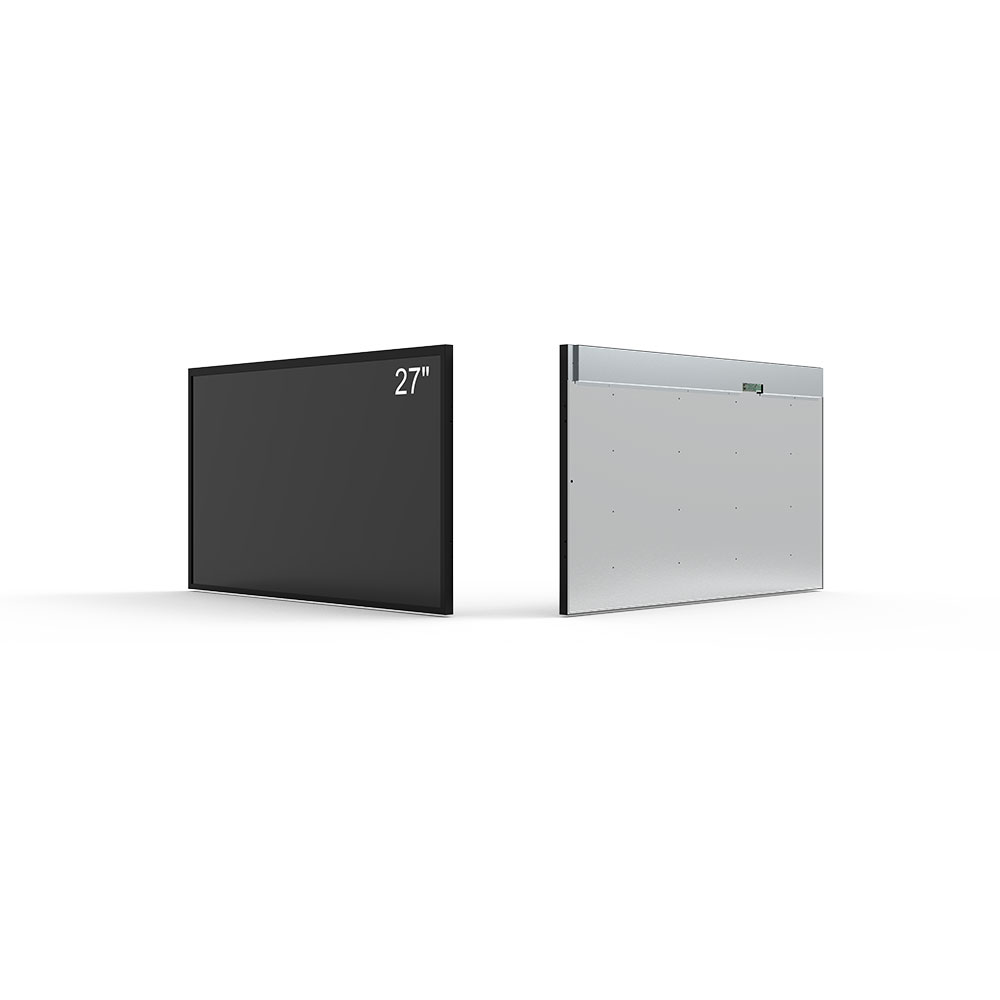
Lastly, connectivity and integration capabilities are vital. Modern industrial displays often support LVDS, MIPI DSI, or HDMI interfaces, enabling seamless integration with PLCs, embedded computers, or vision systems. For instance, a 12.1-inch TFT-LCD from AU Optronics includes built-in touch functionality and CAN bus compatibility, streamlining control system design.
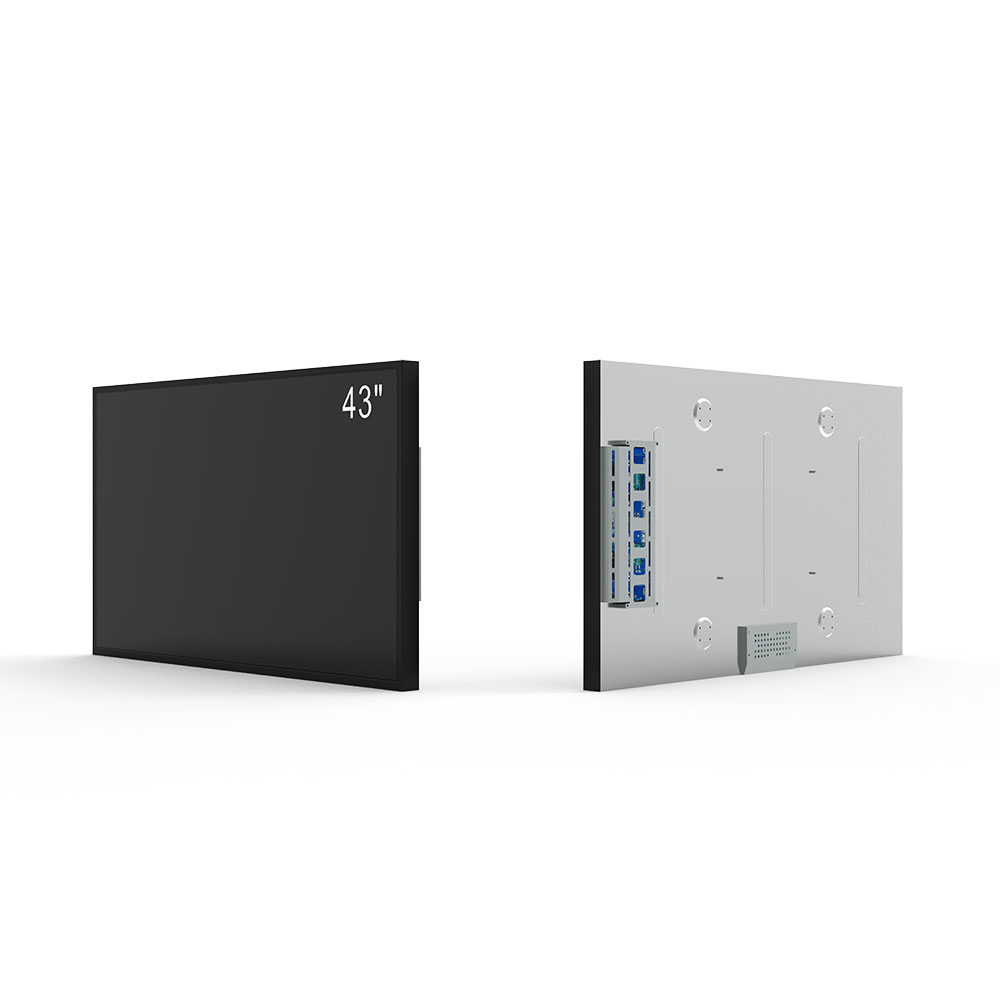
By aligning these technical criteria with application-specific needs, engineers can select an LCD that ensures operational continuity, reduces maintenance costs, and enhances overall system efficiency across diverse industrial sectors—from energy management to automation.
上一篇:How to Choose the Right LCD Panel for Industrial Equipment Applications
下一篇:RisingStar Screens Revolutionize Industrial Displays with Unmatched Performance and Efficiency